Signs Your House Needs a Whole-House Remodel, Not Another One-Room Fix
By the JDI Construction teamUpdated November 20264 min read
A whole-house remodel starts to make sense when several rooms are due at once, the systems behind the walls (wiring, plumbing, heating) are original or failing across the house, the layout fights how you live, and you plan to stay for years. If only one room is the problem, or you need far more space than the lot allows, a one-room project or a move may be the better answer.
Most houses get remodeled one room at a time: a kitchen one year, a bathroom a few years later. That works until it does not. At some point, fixing rooms one by one means paying to open the same walls twice, matching finishes that no longer match, and working around a layout and systems that hold every room back. Here are the signs that point to a whole-house remodel, and the signs that point somewhere else.
Sign 1: Several rooms are due at the same time
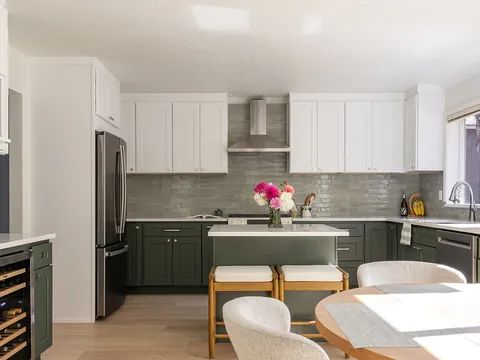
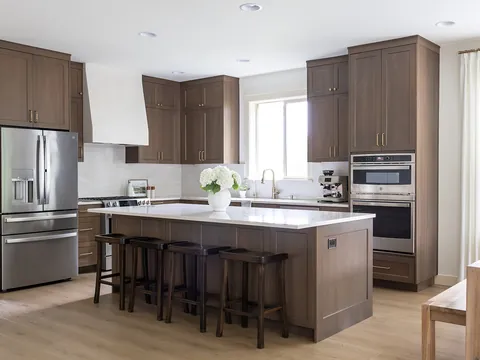
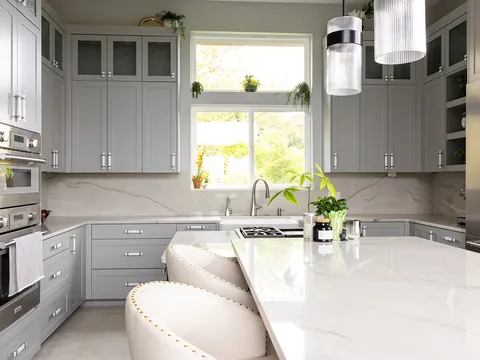
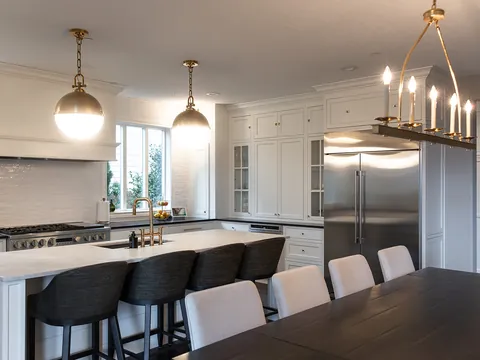
If the kitchen, two bathrooms and the flooring all feel worn out, you are no longer planning a kitchen remodel. You are planning several projects that share walls, plumbing, wiring and floors. Doing them separately means repeated setup, repeated disruption and finishes chosen years apart. Doing them together lets one design tie the house together.
A quick test: list every room you would change in the next five years. If the list covers most of the house, look at the whole house now.
Sign 2: The systems behind the walls are original
Wiring, plumbing and heating rarely fail all at once, but in an older house they often reach the end of their useful life in the same decade. When every room project turns up another circuit to replace or another pipe to reroute, it can be cheaper to plan the systems for the whole house once.
- Electrical. Too few outlets, a panel that cannot take new circuits, or wiring from an earlier era. CPSC says homes built before 1965 are unlikely to have aluminum branch circuit wiring, but cables installed between 1965 and the mid-1970s, in new homes, additions and rewired circuits, may contain it. CPSC also warns that failing aluminum-wired connections seldom give easily detected warning signs, so have a licensed electrician check.
- Plumbing. Low pressure, discolored water, repeated leaks or a patchwork of pipe types from past repairs.
- Heating and ventilation. Rooms that never get comfortable, an aging furnace, or bathrooms and a kitchen without proper exhaust.
Any one of these can be fixed on its own. Two or three together, in a house you also want to update, is a strong sign.
Sign 3: The layout fights how you live
A closed-off kitchen, a dark hallway, a primary bedroom with no real bathroom, no place for a home office, or stairs that will not work as you get older. No amount of new cabinets fixes a floor plan that is wrong for your household. Changing the layout means moving walls, and often plumbing and wiring with them, which is exactly the kind of work that is best done once, across the house.
If you plan to stay through retirement, think about access now. Our post on aging-in-place whole-home remodels covers wider doorways, no-step entries and main-floor living.
Sign 4: The house is older and has never had a full update
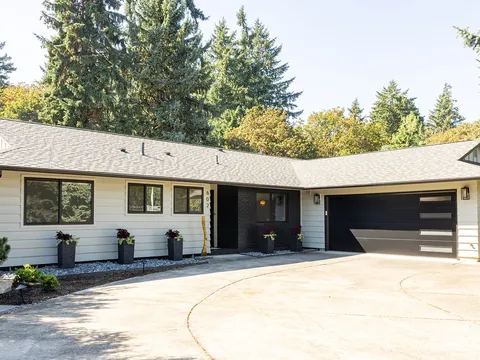
A house that is decades old and still has much of its original interior often hides more than it shows. Two things to know before you plan:
- Lead paint. EPA says a home built before 1978 is more likely to have lead-based paint, and approximately three-quarters of US homes built before 1978 still contain some.
- Asbestos. Under the Southwest Clean Air Agency's rule, suspect materials such as flooring, mastics, textures and cement siding must be treated as asbestos or surveyed by an accredited inspector before renovation, regardless of the year they were installed.
Neither is a reason to avoid remodeling, but both are reasons to test and plan the work once, rather than room by room. Our post on remodeling a mid-century Vancouver home covers houses from that era in detail.
Sign 5: You plan to stay for years
A whole-house remodel is a large investment, and it pays you back mainly by making the house work for you for a long time. If you plan to stay ten years or more, spreading the cost over those years in a house built around your life usually makes sense. If you may sell in two or three years, smaller targeted updates are often the better choice.
When a whole-house remodel is the wrong answer
- Only one room is the problem. A tired kitchen or bathroom in an otherwise sound house is a single-room project. Start with our kitchen remodeling guide or bathroom remodeling guide.
- You need much more space than the house can give. If the family has outgrown the house, the answer may be an addition or a move. Compare them in adding on or moving in Clark County.
- The work is cosmetic. Paint, flooring and fixtures with no walls or systems changing may not need a design-build firm at all.
- The house needs exterior work most. If the roof, siding or foundation is the urgent problem, deal with that first with a company that focuses on it.
What to do with your list
If three or more of these signs fit your house, write them down with the rooms they affect. That list is the start of a whole-house plan. The whole-home cost calculator gives JDI's published planning ranges for your home size and finish level, so you can put a first number next to it.
Next step
Once you know the house needs more than one room, the next decision is how to build it. See whole-house remodel: all at once or room by room.
Common questions
Is a whole-house remodel cheaper than remodeling room by room?
Usually, for the same total work. One continuous build sets up, protects and schedules once, and JDI's calculator says phasing adds about 5 to 10 percent over one continuous build. But if you only need two rooms, doing two rooms is cheaper than a whole-house project.
How do I know if my wiring needs to be replaced?
Have a licensed electrician look at it. Age alone is not proof, but it is a reason to check. CPSC notes that homes built before 1965 are unlikely to have aluminum branch circuit wiring, while cables installed between 1965 and the mid-1970s may contain it, and that failing aluminum-wired connections seldom give easily detected warning signs.
Should I remodel or move?
If you love the location and the lot can hold what you need, remodeling often wins. If you need much more space than the lot or zoning allows, or the house would need everything changed, moving may make more sense. Our post on adding on or moving in Clark County walks through the comparison.
Does an older house always need a whole-house remodel?
No. Many older houses only need targeted updates. The signal is several problems at once across the house, not the house's age by itself.
- US CPSC: Repairing Aluminum Wiring (Publication 516)
- US EPA: Protect your family from sources of lead
- Southwest Clean Air Agency: SWCAA 476 Standards for Asbestos Control, Demolition and Renovation
Checked November 2026. Rules, fees and programs change; confirm the current requirement with the agency before you rely on it.
Keep going
- Compare · Which way should you go?Whole-House Remodel: All at Once or Room by Room?Should you remodel the whole house in one build or room by room? Cost, disruption, permits, design and budget trade-offs for Vancouver and Portland homes.
- Compare · AdditionsAdd on or move?A decision guide for Clark County homeowners who need more room.
- JDI ConstructionWhole-home cost calculatorJDI's published planning ranges for your home size, finish level and add-ons.