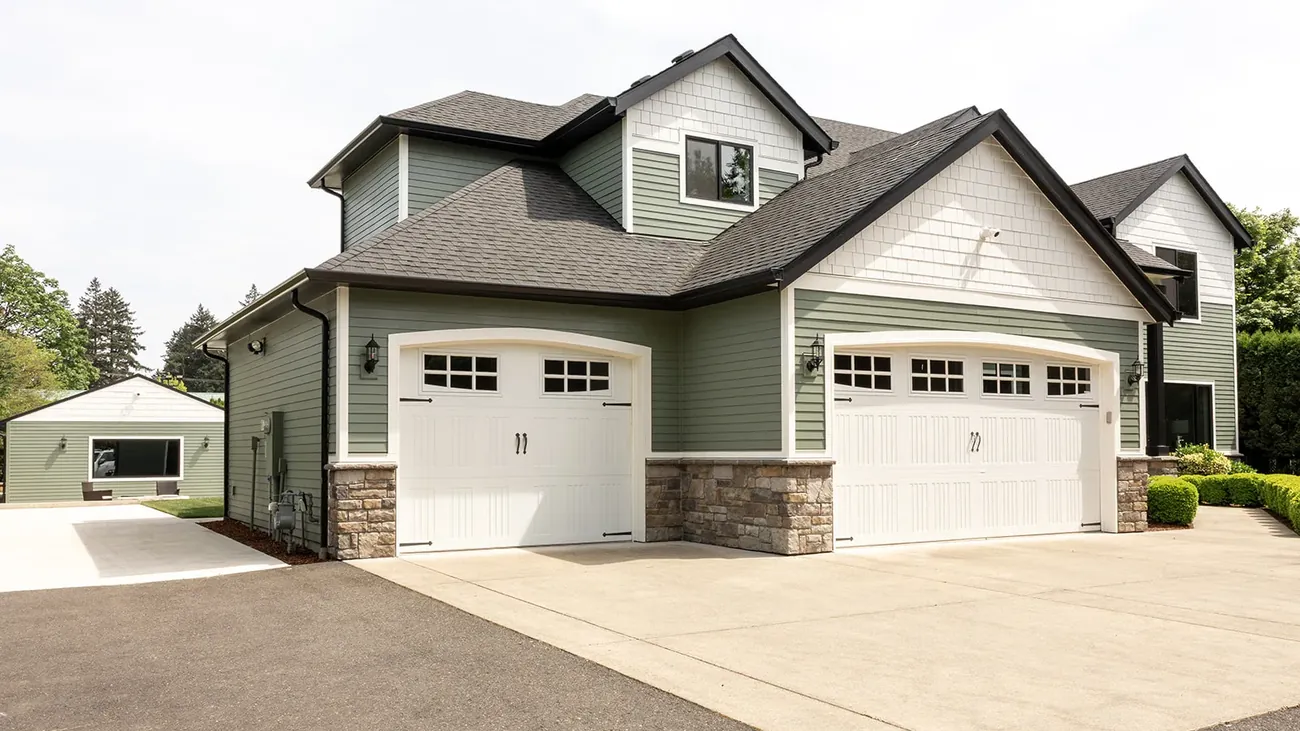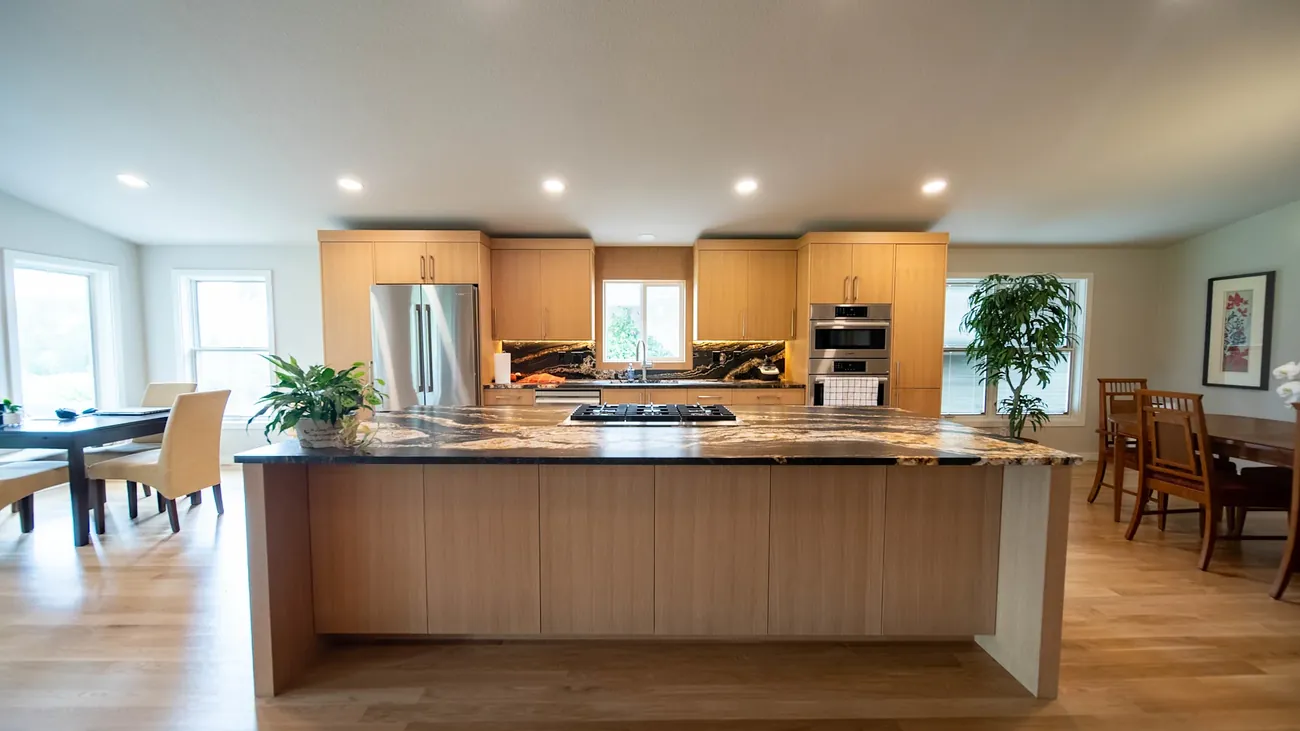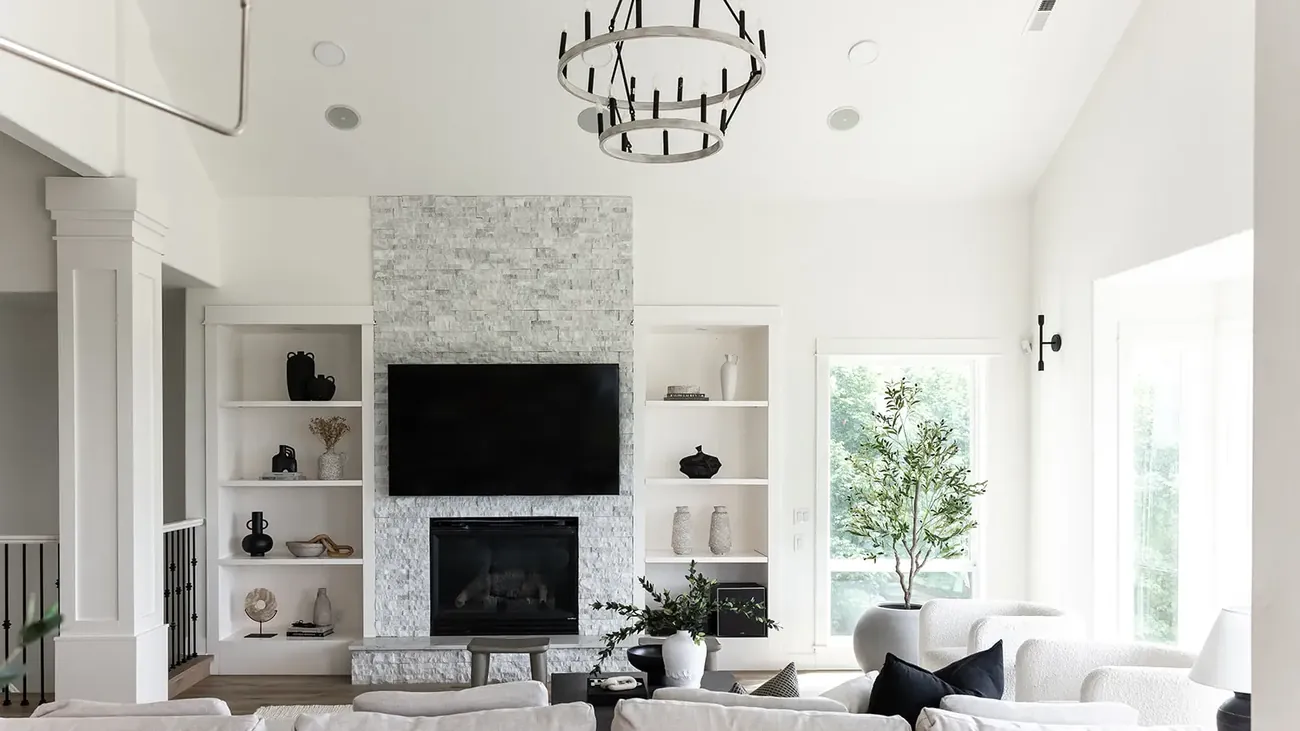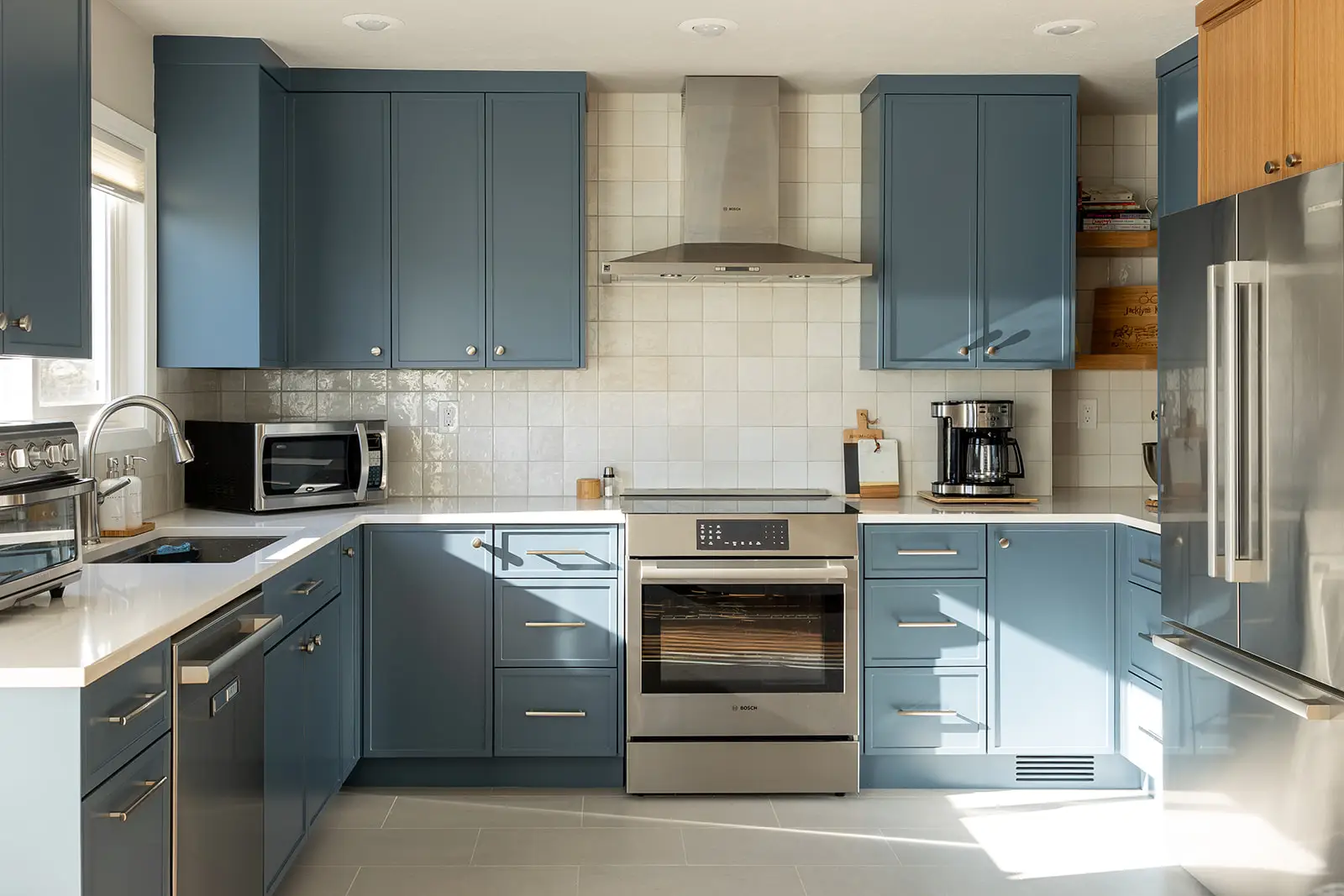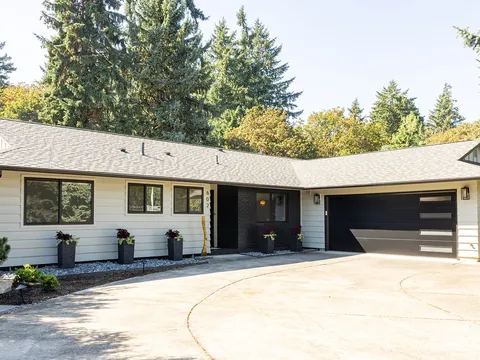

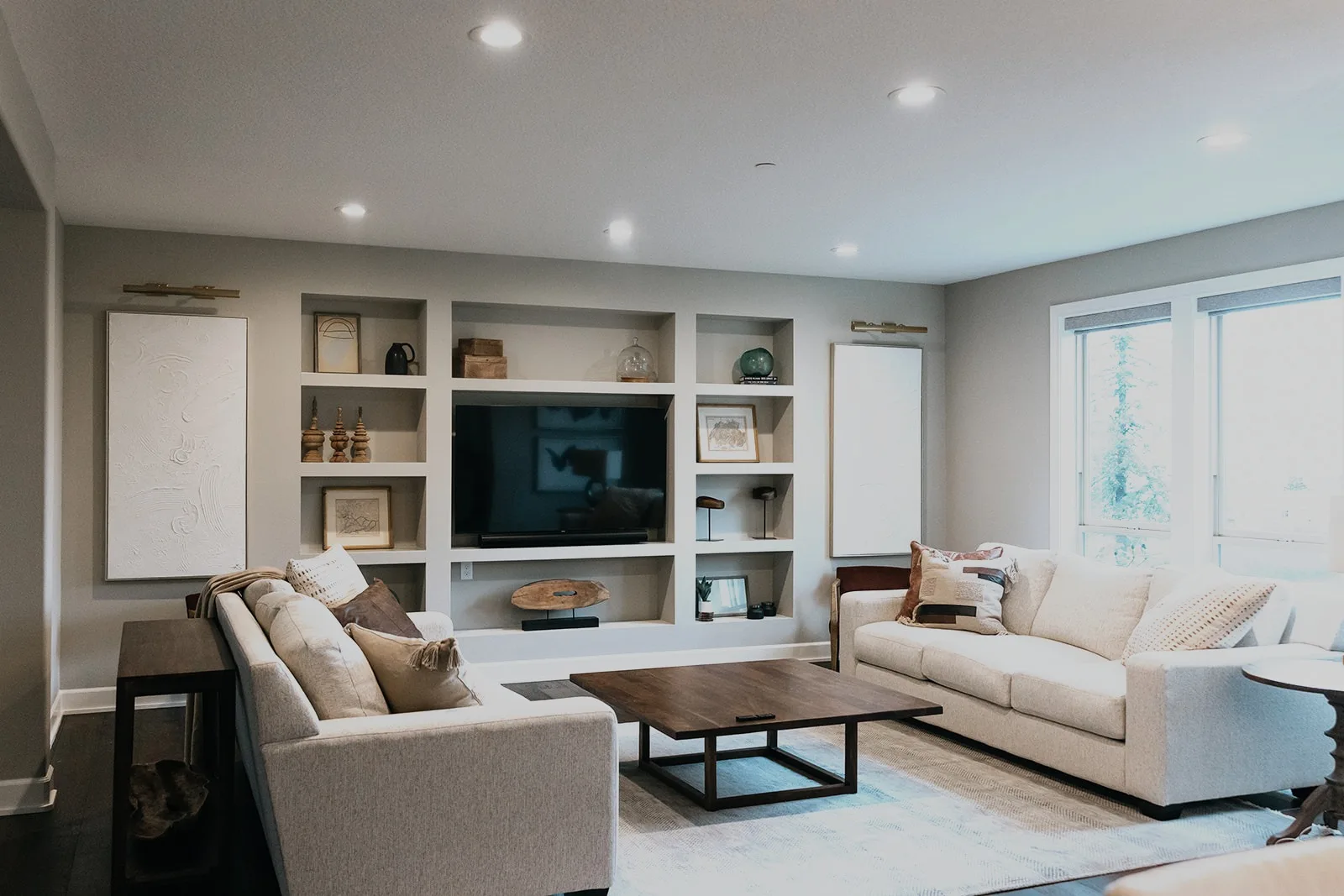

Add on if you like your neighborhood, your lot has room to grow, and the space you need fits within what an addition costs: JDI's 2026 calculator puts a room addition at $60,000 to $180,000, including labor, permits and materials. Move if you need more than one or two rooms, if the lot or a septic system limits what you can build, or if you cannot live with seven or more months of construction on site. The rest of this guide helps you test which side you are on.
Start with what you actually need
Most add-on-or-move decisions start with a feeling that the house is too small. Turn that into a list before you look at listings or call a contractor:
- Which rooms? A bedroom, a bathroom, a bigger kitchen, a home office, a main-floor suite for a parent.
- For how long? A growing family, a parent moving in, or a work-from-home setup has a different horizon than a five-year plan to sell.
- What works now? Commute, schools, neighbors, a yard you have spent years on. These are what you give up when you move.
- What does not work? Sometimes the problem is layout, not size. Opening a wall or reworking a kitchen can fix flow without adding a square foot.
If your list has one or two rooms on it, an addition is usually worth pricing. If it reads like a different house, moving deserves a hard look.
What an addition costs
JDI's whole-home cost calculator uses 2026 Portland and Vancouver design-build pricing, including labor, permits and materials. Its room addition line is $60,000 to $180,000, for any size. Where you land depends on:
- What the room is. A bedroom is mostly framing and finish. A bathroom or kitchen addition adds plumbing, ventilation and more electrical work.
- Foundation and site. A flat, open side yard is simpler than a slope or a tight setback.
- Tying into the house. Roof lines, existing walls, heating and the electrical panel all have to connect cleanly to the new space.
- What else you do at the same time. Many additions come with a kitchen or bath remodel. In the same calculator, opening up walls for a new floor plan runs $15,000 to $42,000, and a new HVAC system $10,000 to $24,000.
Two taxes belong in the budget. Washington sales tax applies to the full contract price, labor included; since April 1, 2026 the combined rate is 8.9% in Vancouver and 8.0% or 8.7% in unincorporated Clark County. And your property's assessed value may rise, though you may qualify for a three-year exemption on the added value under RCW 84.36.400 if you file with the Clark County Assessor before construction is completed. Ask your tax adviser how it applies to you.
What moving costs
A move has its own price tag, even when the new house costs no more per square foot than an addition would. Selling usually means agent commissions, closing costs and getting the house ready to list. Buying brings its own closing costs, inspections and a new mortgage at whatever rates are on offer that day. Then come movers, time off work, and the projects you take on in the new house. Get real numbers from your agent and lender, and put them next to an addition quote. Comparing an addition's price to nothing makes the addition look expensive when it may not be.
Timelines: months on site vs. months on the market
For mid-sized and large homes with additions, JDI's calculator puts construction at 7 to 14 months on site, after design and permits. A firm written quote typically comes two to three weeks after the free in-home visit and preliminary design.
Permit review time is harder to pin down. The City of Vancouver does not publish a residential review-time target, and says the main factor is "the adherence to the submittal requirements and quality of the plans." Complete drawings save time. Our guide to the City of Vancouver permit process explains the steps.
One upside of an addition: much of the work happens outside your existing walls. The messy part for daily life is the tie-in, when the new space opens into the old. Our guide to living through a remodel has practical tips for that stretch.
What your lot allows
This is where many additions are decided before design starts.
- Setbacks and lot coverage. How close you can build to the property lines, and how much of the lot can be covered, depend on your lot's zoning. Inside city limits, the City of Vancouver confirms them for your lot; outside, Clark County or your city does. Ask before you design.
- City or county. A Vancouver mailing address does not mean you are inside city limits. Our guide to permits outside city limits shows how to check.
- Septic. If your home is on septic, note that septic design flow is set by bedrooms, and adding a bedroom counts as an "expansion" under state rules (WAC 246-272A-0010). An expansion requires a septic system and reserve area that meet new-construction standards. Clark County Public Health evaluates the system before the building permit is issued; 2026 fees include $402 for a septic release letter and $718 for an expansion. A bedroom addition on a small or aging system can change the whole budget.
- Water nearby. State shoreline jurisdiction reaches 200 feet landward from the ordinary high water mark of shoreline waters, plus associated floodplains and wetlands (RCW 90.58.030). If your lot is near the Columbia River or another shoreline, ask early whether shoreline rules apply.
Permits, in general terms
Every addition needs a building permit. The City of Vancouver lists "additions and remodels to existing structures" and "changing the footprint of an existing structure in any way" among the work that needs a residential (RES) permit. In unincorporated Clark County, additions need a county residential permit, and electrical permits come from the state Department of Labor and Industries.
Code items that shape an addition:
- Energy code. Under WSEC-R R502.1, an addition must meet the energy code for new construction, without bringing the rest of the house up to it. Additions of 150 square feet or less are exempt from the energy-credit requirement. Additions from 150 to 500 square feet need 2.0 credits, and larger additions under 1,500 square feet need 5.0. If an addition over 150 square feet adjoins existing attic space, that attic has to meet the insulation section too.
- Smoke and carbon monoxide alarms. When a permitted addition is built, the whole home must have smoke alarms as required for new dwellings, and carbon monoxide alarms are inspected too, with an exception for some older owner-occupied homes.
- Structure. Expect framing and foundation plans, and engineering when the design goes beyond the code's prescriptive rules.
A third option: build an ADU
If the extra space is for a parent, an adult child or a renter, an accessory dwelling unit may serve better than either an addition or a move. Washington law requires cities and counties in urban growth areas to allow two ADUs per lot, with a size cap of no less than 1,000 square feet and no owner-occupancy requirement (RCW 36.70A.681). An ADU is its own dwelling unit, so it is permitted and charged differently than a room addition. See our ADU builder page for how JDI approaches them.
Quick comparison
| Question | Leans toward adding on | Leans toward moving |
|---|---|---|
| How much space? | One or two rooms | A different layout or size class |
| Your lot | Room within setbacks, sewer or a septic with capacity | Tight lot, septic limits, shoreline or slope issues |
| Your location | You want to stay | You were already thinking of leaving |
| Time | You can live with 7+ months of construction | You need the space sooner |
Frequently asked questions
Is it cheaper to add on or move?
It depends on your house, your lot and the market. Price both: get a real addition quote and real selling and buying costs from an agent and lender. An addition saves the costs of selling and buying but adds construction time.
How long does a home addition take in Clark County?
JDI's calculator puts mid-sized and large homes with additions at 7 to 14 months on site, after design and permits. Permit review time varies, and the City of Vancouver does not publish a target.
Do I need a permit for a home addition?
Yes, inside Vancouver city limits and in unincorporated Clark County. Any change to a building's footprint needs a residential building permit.
Can I live in my house during an addition?
Usually, yes. Most of the work happens outside the existing walls until the tie-in. If the addition comes with a kitchen remodel, plan for some weeks without a full kitchen.
Can I finance an addition?
Yes. JDI offers financing through Lend Home Improvements and Medallion Bank, subject to credit approval. See our financing page.
Rules change; confirm current requirements with the City of Vancouver Permit Center or Clark County Community Development before you design.
How JDI can help
JDI has been remodeling homes in Vancouver and Clark County since 2007. We can walk your lot, look at what your zoning and utilities allow, and give you a firm written quote after a preliminary design, so you can compare a real number with the cost of moving. See our home additions page or schedule a free consultation.
Keep going: Home additions in Vancouver · Completed projects · How a JDI project runs · Client reviews