




★★★★★
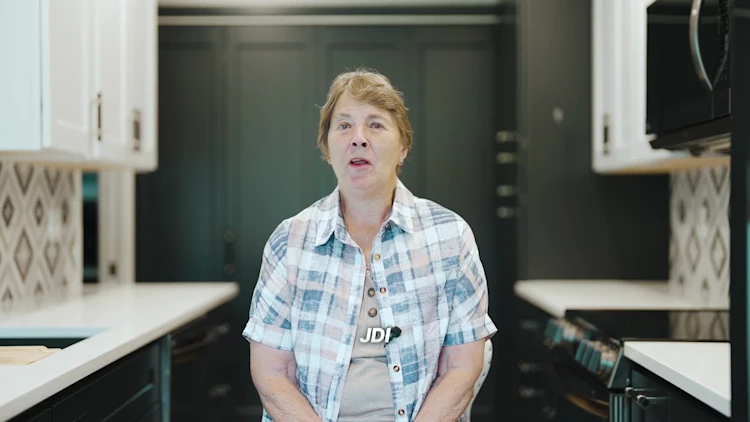
Had a great experience with JDI Construction.
Definitely a reputable team. Highly recommend them. They definitely know what they are doing. Also very knowledgeable. Thank you.
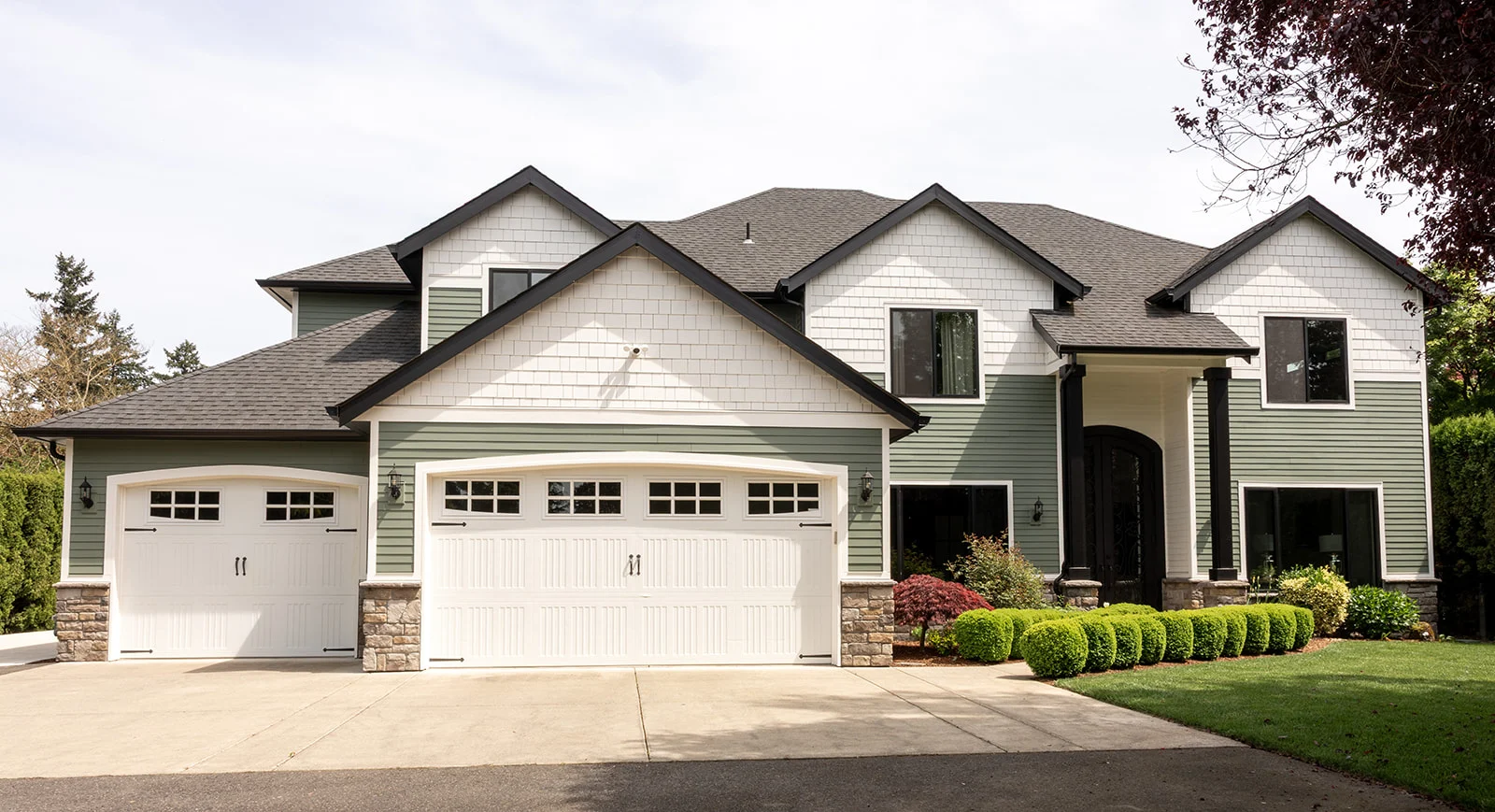
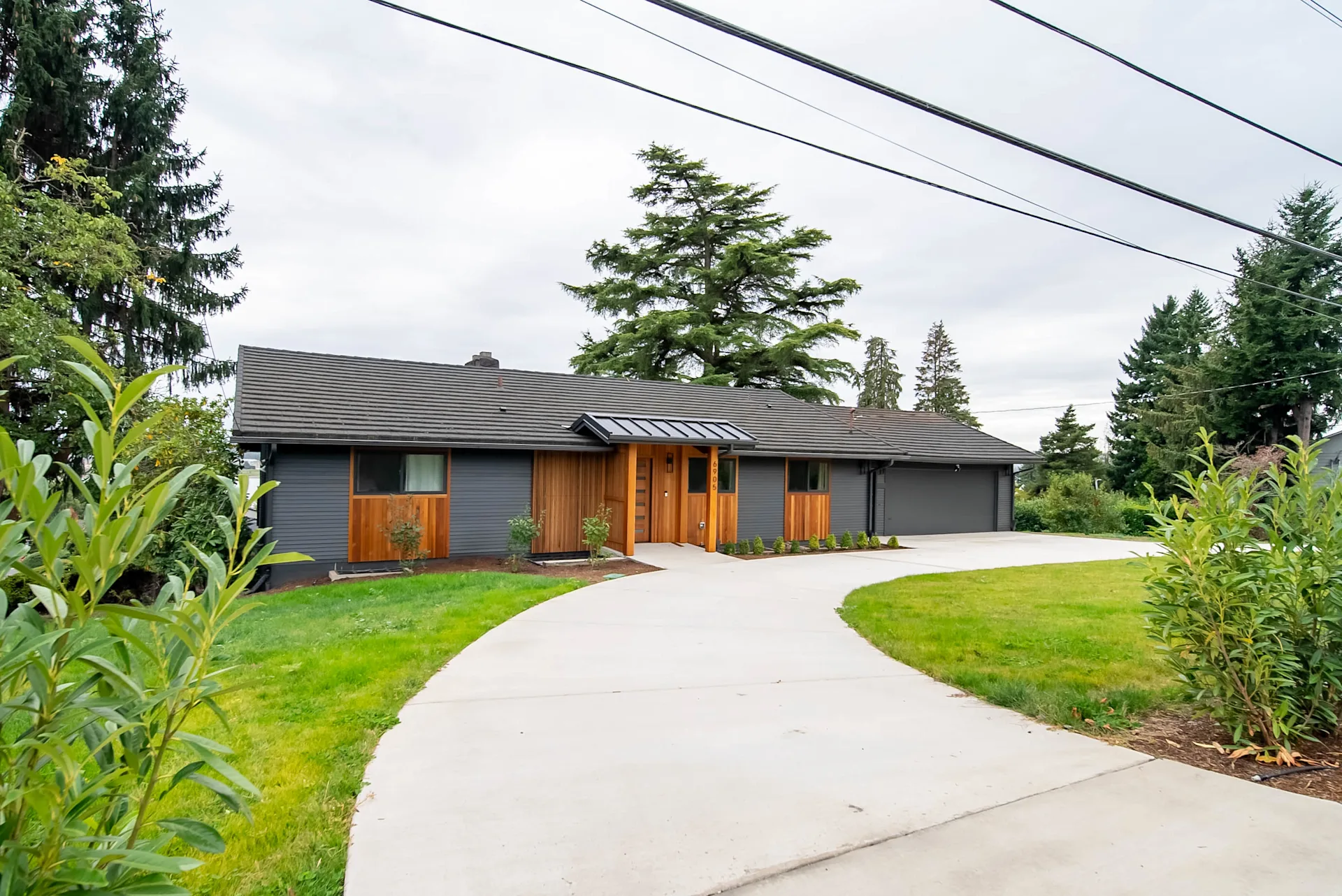
Siding, windows, decks, and full exterior facelifts in Portland, Vancouver, and the surrounding metro. In-house crews, written estimates, and remodeling experience since 2007 with what survives Pacific Northwest weather.
Family-Owned Since 2007
500+ completed projects
Drag the dividers to compare each project before and after we remodeled it. Every project below was designed, built, and finished by our JDI team.
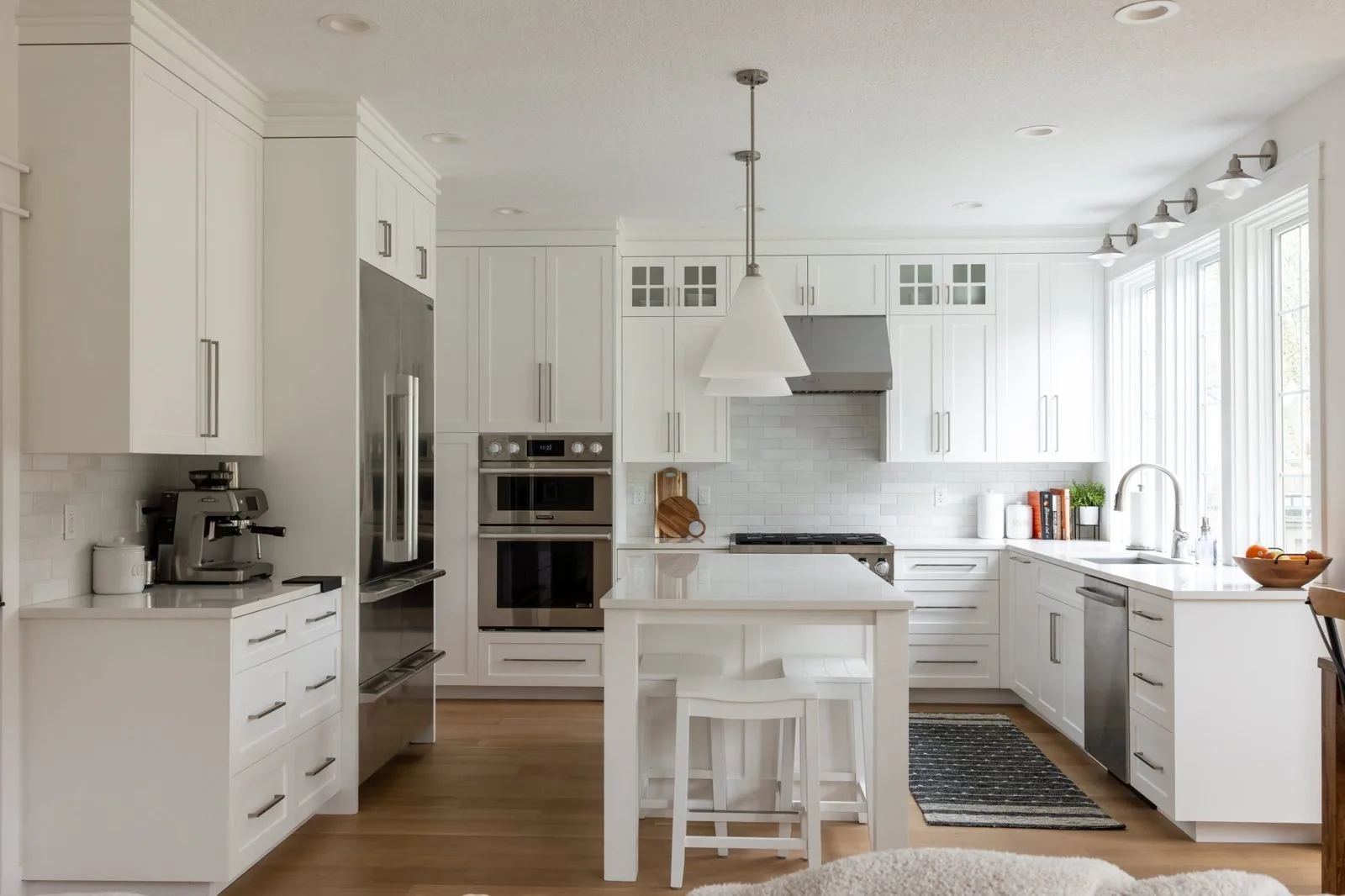
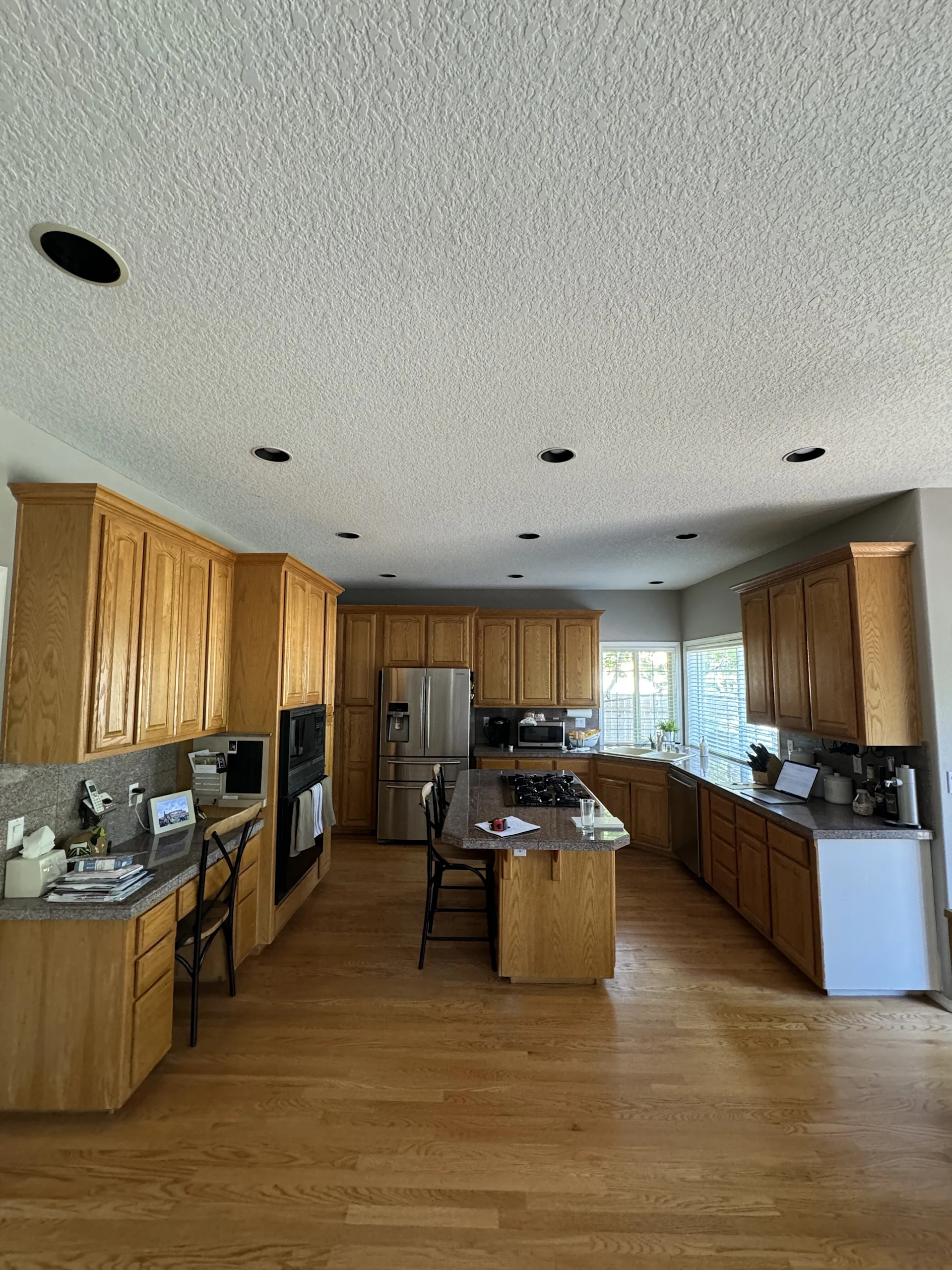
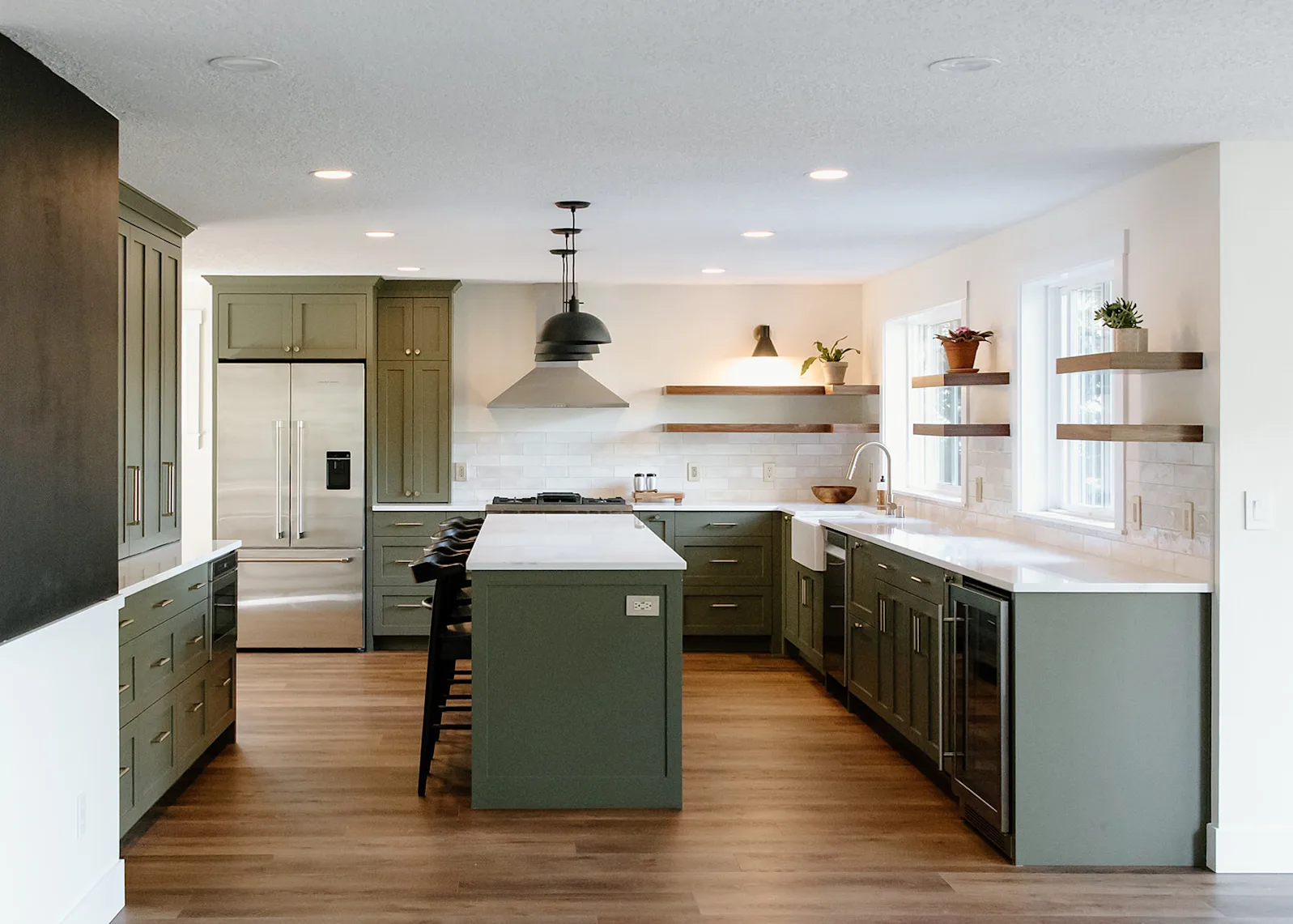
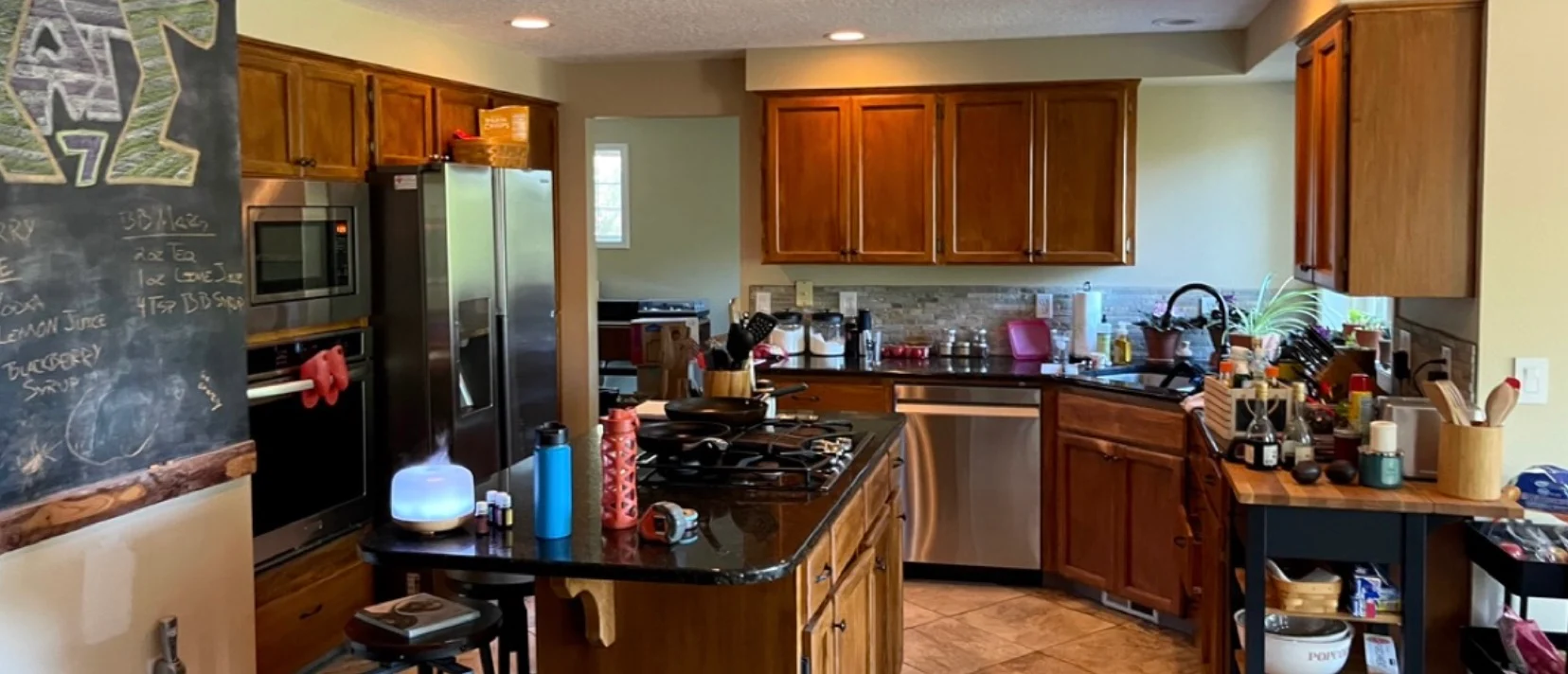
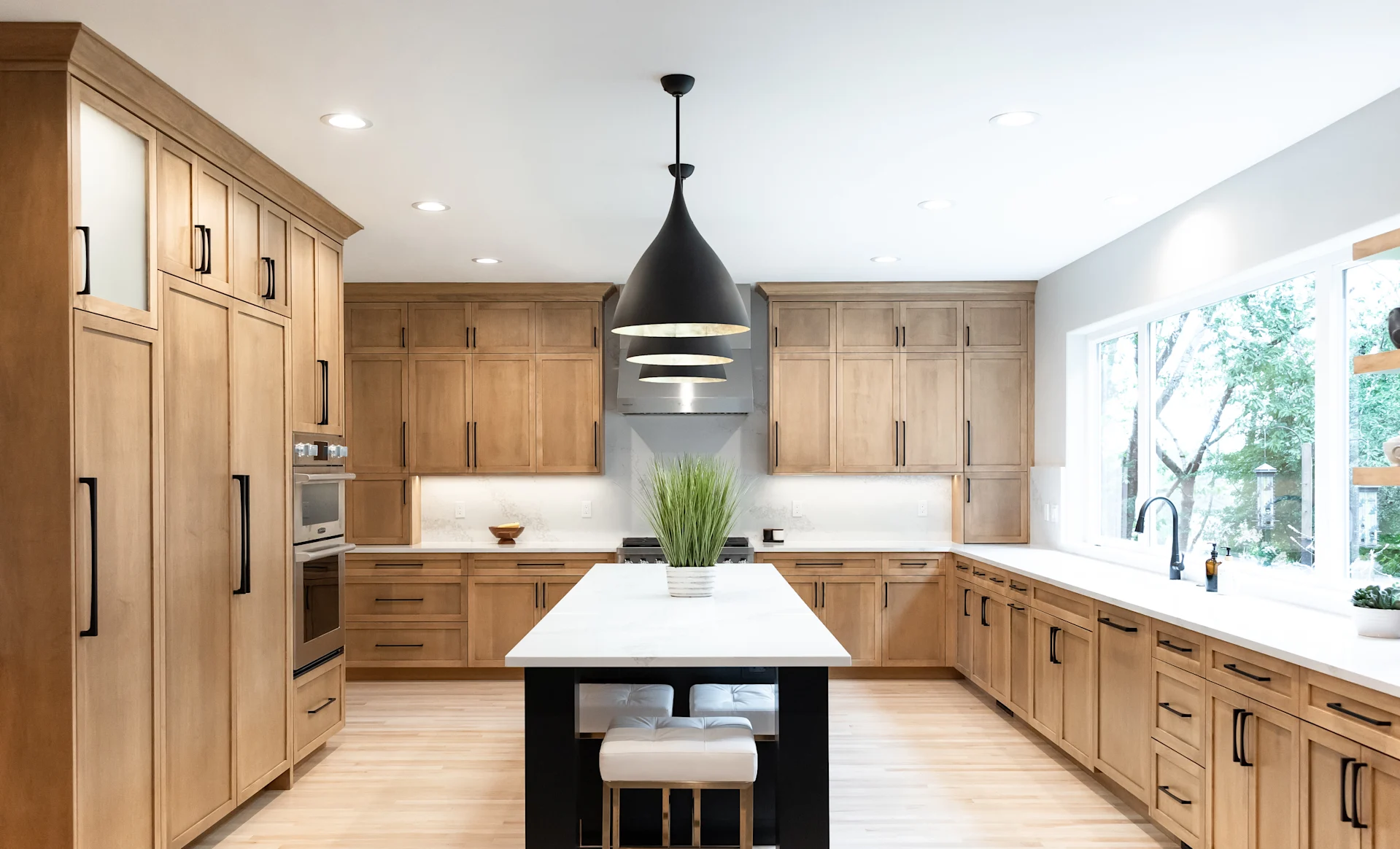
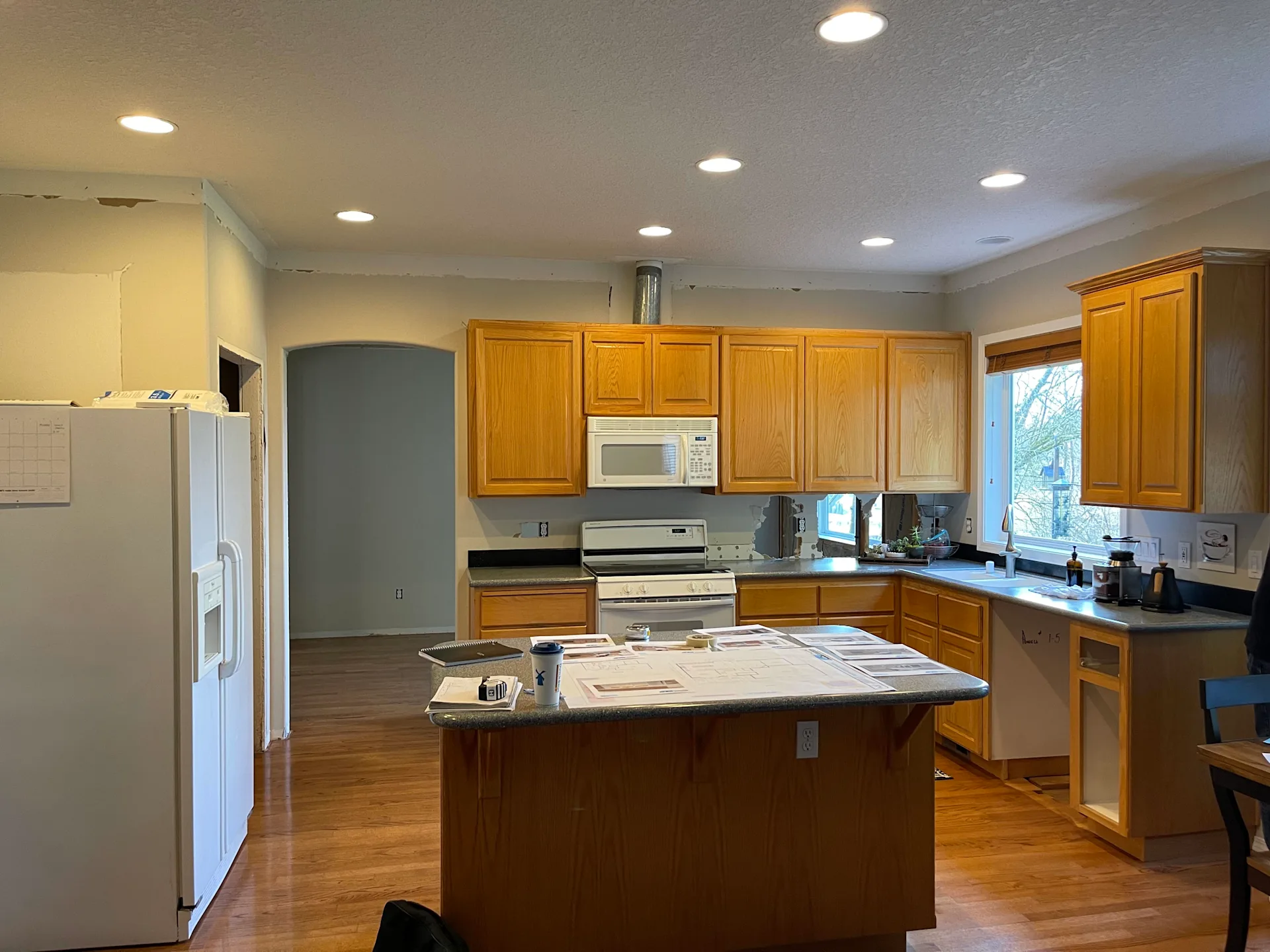
Family-owned, with in-house crews, detailed written proposals, and one accountable team from first conversation to final walkthrough.
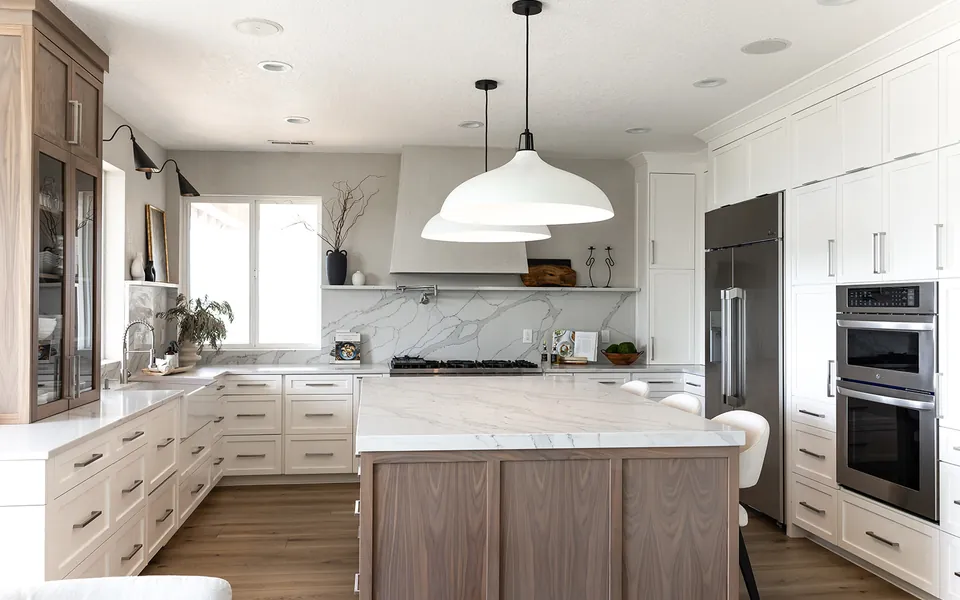
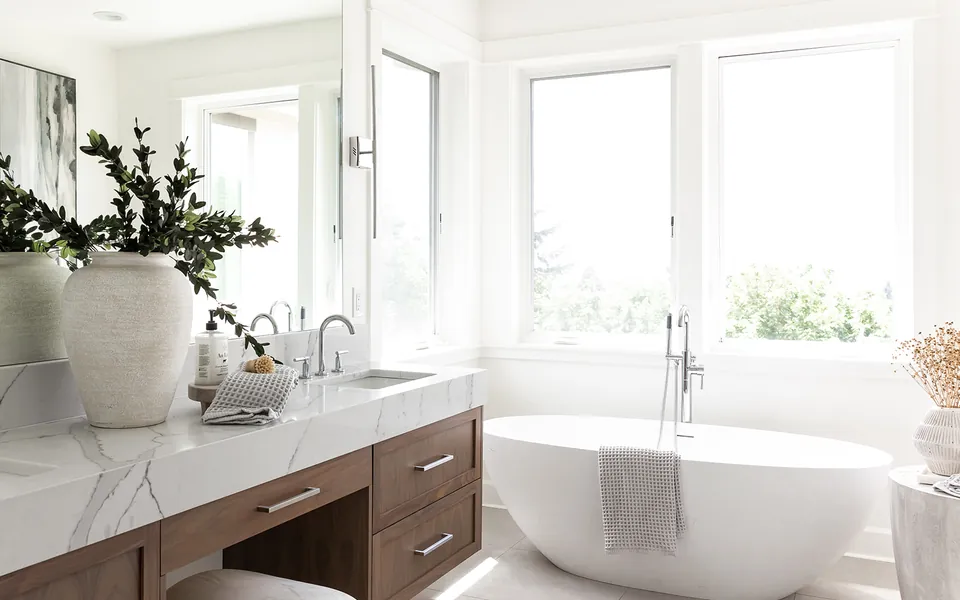
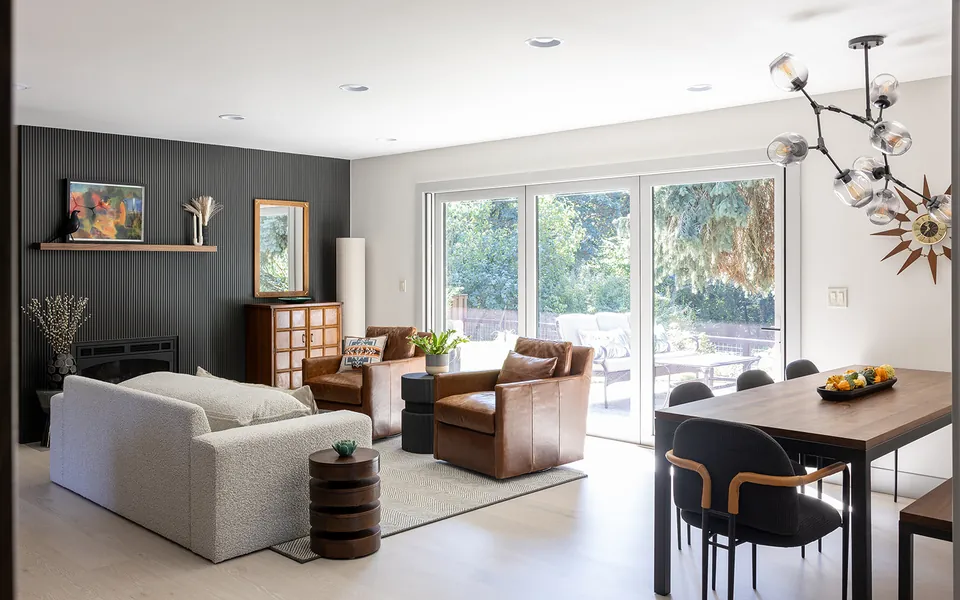
Our remodeled spaces are built to last, delivering a new kitchen that won’t sacrifice function, a new bathroom that won’t feel cramped, and a whole home that won’t disappoint.
In a climate this wet, your home's exterior is a rain-management system first and a source of curb appeal second. Between the fall and spring, the Portland metro and Clark County take on the better part of forty inches of rain, most of it as a slow, sideways drizzle that finds every unsealed seam. Get the water out and everything else — the color, the trim, the front door — is finish work on a house that will last.
Water is the enemy. Every exterior decision we make at JDI Construction starts from that fact and works outward.
We've been remodeling exteriors across Portland, Vancouver, and the surrounding SW Washington towns since 2007, on everything from mid-century ranches to century-old foursquares in older neighborhoods. What follows isn't a menu of siding options — it's how the envelope actually keeps a Pacific Northwest home dry, where that system tends to fail, and how we rebuild it so it stops failing.
It's tempting to think of siding as the wall, but siding is only the outermost layer of a system that manages water. Rain gets behind cladding on every house — that's expected, not a defect — so the real job is giving that water a fast, uninterrupted path back out before it reaches the wood and insulation underneath.
Behind the siding sits a weather-resistive barrier, the house wrap that sheds bulk water down and away from the sheathing while still letting the wall breathe. At every opening and transition, flashing hands water from one layer to the next: over windows and doors, at the base of walls, where a roof meets a wall, and around every pipe and vent that punches through. Windows and doors are engineered holes in that barrier, so how they're integrated with the wrap and flashing matters more than the units themselves. Trim caps the edges and joints where two materials meet. And above it all, the roofline, gutters, and downspouts are supposed to catch the largest volume of water and carry it clear of the walls and foundation entirely.
When one layer is skipped or lapped the wrong way — house wrap tucked behind flashing instead of over it, a gutter dumping against a wall, trim with an open top edge — water stops draining and starts collecting. That's how a small detail becomes rot inside the wall you can't see. We treat the exterior as the single connected system it is, because that's the only way it holds up here.
Siding is the decision most homeowners lead with, and in the Northwest the right answer is driven as much by moisture performance as by looks. The four materials below cover the vast majority of what we install. There's no single winner — the best choice depends on your home's style, your appetite for maintenance, and your budget.
| Material | Look | Moisture performance | Maintenance | Relative cost |
|---|---|---|---|---|
| Fiber cement | Crisp, painted-wood look with clean lines; broad range of profiles and colors. | Excellent — won't rot, swell, or feed mold, and stands up well to constant damp. | Low; occasional repaint and caulk checks. Dimensionally stable in wet weather. | Mid to upper-mid |
| Engineered wood | Warm, natural wood-grain appearance; lighter and easier to handle than fiber cement. | Very good when properly sealed and flashed; treated to resist moisture, but edges and cuts must be sealed. | Low to moderate; periodic repaint and inspection of field-cut edges. | Mid |
| Cedar / real wood | The genuine article — rich grain and depth that ages beautifully; ideal for period and craftsman homes. | Naturally rot-resistant but the most demanding in wet climates; needs meticulous detailing and a maintained finish. | High; regular staining or sealing every few years to keep water out. | Upper-mid to high |
| Vinyl | Uniform, simple look; wide color range, though profiles read less substantial up close. | Good — impervious to water itself, but relies on the wrap and flashing behind it, since it isn't a sealed surface. | Very low; rinse occasionally, no painting required. | Lower |
Swipe to see all columns →
Whatever the cladding, its moisture performance is only as good as the barrier and flashing behind it — which is exactly why we spend as much time on what you can't see as on what you can.
Rot almost never starts in the open field of a wall. It starts at the transitions — the handful of spots where the drainage plane is interrupted and one material meets another. These are the details we inspect first and build most carefully, because getting them right is the entire difference between a wall that dries and a wall that stays wet.
Windows and doors do double duty — they're where the most heat escapes and where water most often sneaks in, so we treat them as an energy upgrade and a waterproofing detail at the same time. In older Portland and Vancouver homes, we frequently open a wall for re-siding and find soft, rotted framing beneath a window that's been quietly leaking for years; catching and repairing that rot is part of doing the job right, not an upsell we hope you won't notice.
New units are only as watertight as their installation. We integrate each window and door with the house wrap and set it on proper pan flashing so any water that reaches the sill drains back to the exterior rather than into the wall. Modern insulated glass cuts drafts and condensation, which matters through a long, damp winter. And because so many homes here have a distinct architectural character, we match the sightlines, grille pattern, and proportions to the house — so a rot repair or an efficiency upgrade reads as original, not like a patch.
Once the envelope is sound, the visible choices are where a house finally looks transformed — and the good news is that nearly every one of them is doing protective work, too. Fresh trim isn't only a crisp line around a window; it's the cap that keeps water out of the joint. A quality exterior paint or factory finish isn't just a color; it's the coating that shields the siding from constant moisture and UV. A new front door resets the whole face of the house while sealing one of its largest openings.
Mixing materials — a band of shingle-style siding on a gable, a stone or panel accent at the entry, a contrasting trim color — adds the kind of depth and craftsmanship that make a home stand out on the street, provided it's done with restraint and true to the home's era. That combination of a weather-tight envelope and a considered exterior is also what protects your investment: a home that clearly sheds water and presents well holds its value and its appeal in a way that a fresh coat of paint over hidden problems never will.
What's the best siding for Oregon rain?
Fiber cement is the workhorse in our climate — it won't rot, swell, or feed mold, and it holds paint well through wet winters. Engineered wood is a strong lighter-weight option, and cedar is beautiful for period homes if you'll keep up the finish. But the honest answer is that any of them performs well over a correctly built barrier and flashing, and fails without one. The material matters; what's behind it matters more.
Should I repaint or re-side?
If the siding is sound and just tired, paint is the smart, affordable move. Re-siding makes sense when you're seeing cracked or cupping boards, soft spots, paint that won't hold, or repeated moisture issues — signs the cladding or what's behind it is failing. We'll open a section and tell you honestly which one you're looking at rather than talk you into the bigger job.
Can you work on the exterior in winter?
Yes — we work through the Northwest wet season year-round. We sequence around the weather, keep walls protected and dried-in as we go, and never leave sheathing exposed to the rain. Some finishes, like certain paints, need dry, mild windows to cure properly, so we schedule those steps for the right conditions. The structural and weatherproofing work carries on regardless.
Will you match my existing siding?
When we're repairing or extending rather than replacing everything, yes — we work to match the profile, exposure, and color as closely as the material allows so the repair blends in. On older homes with discontinued products, a perfect match isn't always possible; in those cases we'll walk you through the closest options and where a seam will fall before we start.
We'll walk the outside of your home with you, point out where water is getting in — the flashing, the gutters, the tired siding — and lay out what it takes to make the envelope watertight and the exterior look like new. It's an honest, no-pressure assessment, and it's free.
JDI Construction — family-owned and headquartered in downtown Vancouver, WA, remodeling exteriors across the Portland metro and SW Washington since 2007. Licensed and insured in Oregon (CCB #176101) and Washington (JDICOCN932KZ), with in-house design and trades and a 5-year workmanship warranty.
Why JDI
Clear, upfront pricing with zero hidden costs.
Local craftsmanship serving Vancouver and Portland since 2007.
Designed for beauty, built for lasting durability.
Confidence and protection every step of the way.
We treat your home like it's our own.
Transform your space with expert craftsmanship. Free design consultation included.
Claim OfferFrom first call to final walkthrough, we handle every detail so you can focus on enjoying your new space.
Reach out to us online or give us a call to schedule your free consultation. Our team is here to discuss your home remodeling needs and give you all the information you need.
Once you sign the design agreement, our design team will meet with you to discuss your priorities, goals, and design style for your home remodel project.
We'll kick off with a pre-construction meeting to outline logistics and expectations. Our design team hands over all details to the construction crew, and a dedicated project manager becomes your main point of contact.
Real reviews from JDI's Vancouver and Portland Google business profiles.
90-second quiz. See your range before sharing your details. No sales call required.
JDI Construction NW LLC is a licensed and insured design-build remodeler headquartered at 1419 Broadway Street in Vancouver, WA. Look up our licenses, read what past clients wrote, and see the work before you call.
Free on-site walkthrough, signed line-item estimate, in-house crews. Call (360) 309-9571 or stop by our Vancouver office.
Headquartered at 1419 Broadway Street, Vancouver, with a Portland meeting office by appointment. No franchises; our in-house crews drive to every project from here.
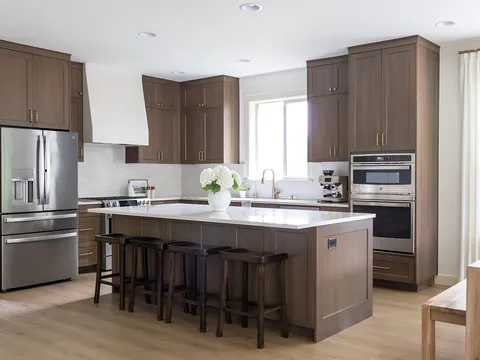
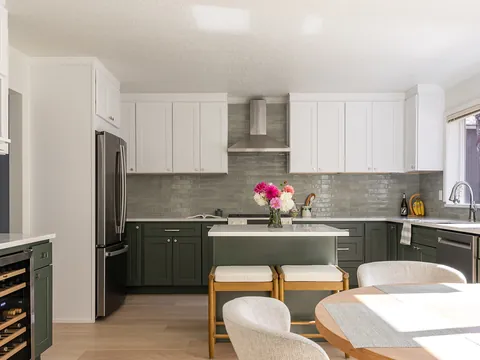 Kitchen Remodeling
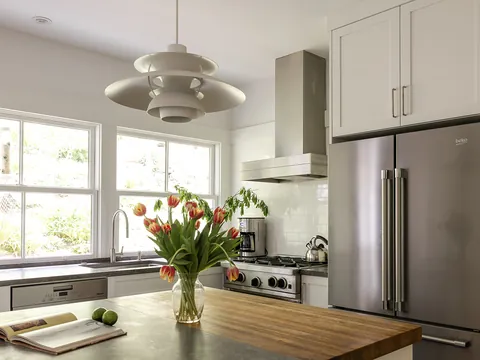
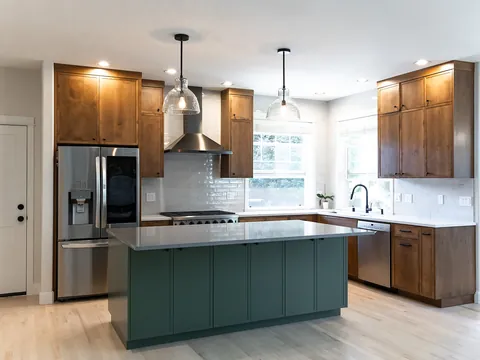
Custom cabinetry, quartz, hardwood — designed, planned and managed by our team.
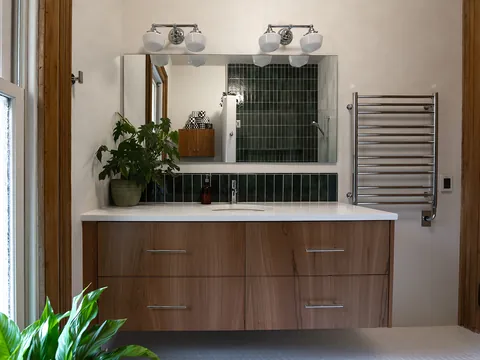 Bathroom Remodeling
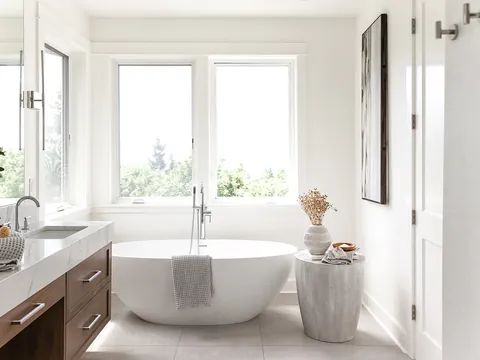
Primary suites, powder rooms, walk-in showers — luxury you'll use every day.
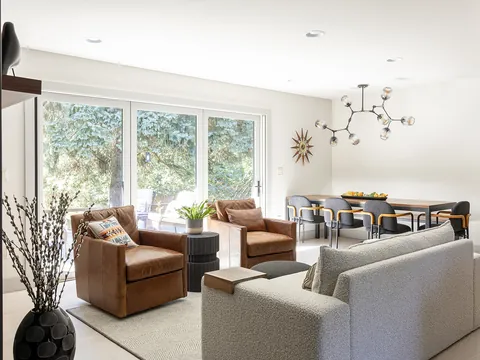 Whole House Remodeling
Open-concept transformations, additions, and full-home renovations.
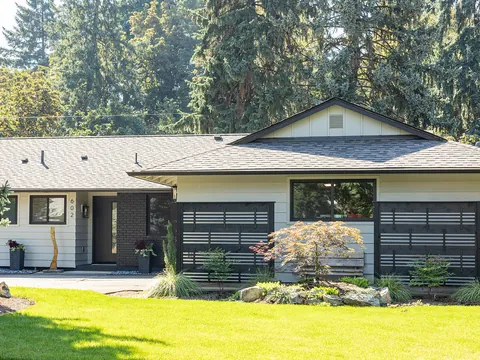 Service Areas
Serving Vancouver, Portland, and all of Southwest Washington.
 Cost Estimator
Get an instant Portland / Vancouver remodeling estimate in under 90 seconds.
 Our Company
Family-owned, design-build remodeling with a 5-year written warranty.
 Careers
Join the designers, consultants and project managers behind every JDI remodel.
 Financing
Flexible financing options for your remodeling project.
 Current Offers
Seasonal specials on kitchens, bathrooms, and whole-home projects.
 Get in Touch
Ready to start your project? Request a free estimate.
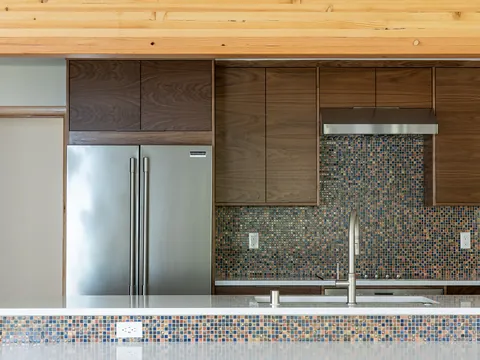
 Kitchen Projects
Walnut, white oak, two-tone, and modern kitchens.
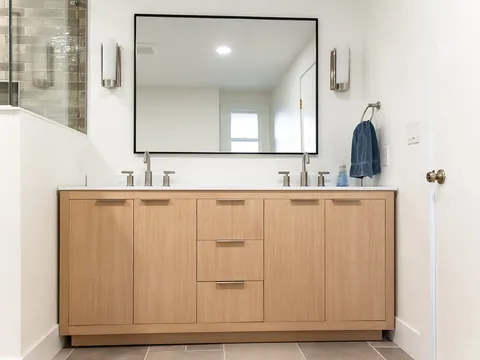 Bathroom Projects
Primary suites, walk-in showers, powder baths.
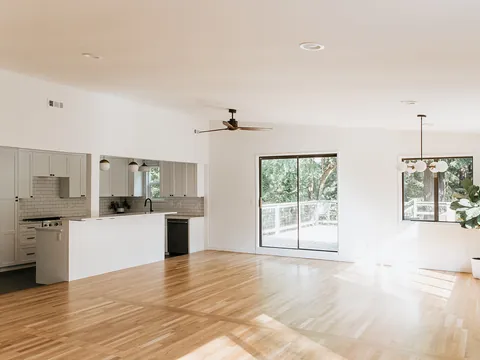 Whole-Home Projects
Full-house transformations and additions.
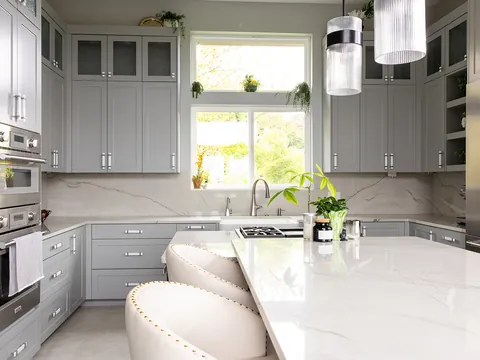
 By Service
Browse portfolios grouped by project type.
 Recent Highlights
Our latest completed JDI projects.
 Video Testimonials
Watch 15+ clients talk about their JDI remodel in their own words.
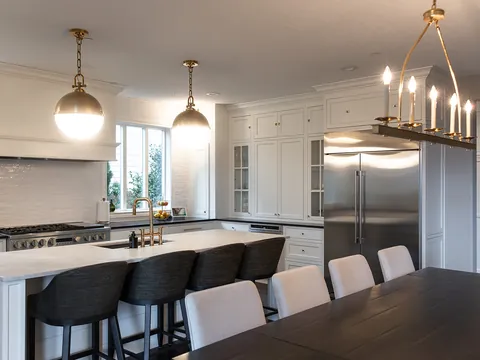 Google Reviews
4.9/5 across 223+ verified Google reviews from our Vancouver & Portland profiles.
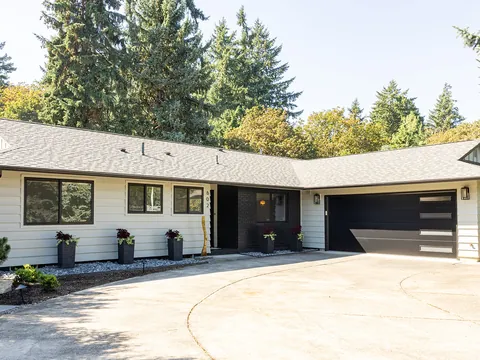 By Location
Reviews from clients in your area — Vancouver & Portland metros.
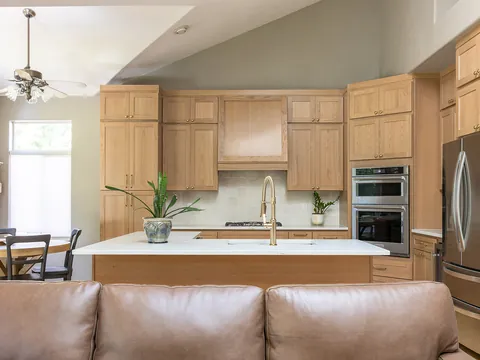 Kitchen
Kitchen design and remodeling guides.
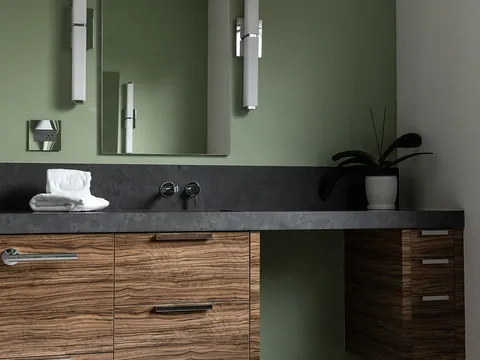 Bathroom
Bath planning, finishes, and layouts.
 Whole-Home
Whole-home remodeling tips and case studies.
 Materials
Guides on cabinets, flooring, windows, and more.
 All Posts
Every JDI article in one place.