

You can start a remodel in fall or winter in Vancouver, and for interior work like kitchens, bathrooms and living areas, the rain makes little difference. What changes is everything that opens the house: additions and exterior openings need careful dry-in sequencing, building materials need moisture care, and the holidays need a plan. Fall is also the right time to design and permit any exterior work you want built in the next dry season.
How wet the rainy season really is
These are NOAA's 1991–2020 climate normals for Vancouver's Pearson Field station, available through NOAA's U.S. Climate Normals.
| Month | Rain (in) | Days with measurable rain | Average temperature (°F) |
|---|---|---|---|
| September | 1.43 | 3.9 | 63.9 |
| October | 3.41 | 8.1 | 54.2 |
| November | 5.51 | 12.1 | 46.2 |
| December | 6.07 | 13.2 | 40.8 |
| January | 5.34 | 12.6 | 40.7 |
| February | 3.77 | 9.6 | 43.1 |
| March | 3.95 | 11.2 | 47.2 |
Rain more than doubles from September to October, and November through January brings 16.92 inches, about 45 percent of Vancouver's 37.47-inch year. December is the wettest month, with measurable rain on about 13 days. The other 18 or so days are often workable, but you cannot plan around which ones they will be.
Snow is a smaller factor. NOAA's normal for Portland International Airport is 4.20 inches of snow for the whole year, but a cold snap or an ice storm can still pause exterior work and deliveries for a few days. Build a little slack into any winter schedule that depends on outdoor work.
What changes when you start in fall or winter
Dry-in comes first on anything that opens the house
If your project includes an addition, a roof tie-in or new exterior openings, the order of work matters more in winter than in summer:
- Close in fast. Once framing is up, the priority is roof, sheathing, windows and doors, so the structure stops taking on water.
- Open only what can be closed. An existing roof or exterior wall should be opened only when the crew can close or protect it before the next rain.
- Protect what is exposed. Temporary covers go over open framing and materials stored on site.
- Leave weather-sensitive work for later. Exterior paint, caulks and sealants have temperature and moisture limits printed on the label, so some exterior finishing may wait for spring.
Moisture and mold care
Framing lumber that gets rained on is normal in the Northwest. What matters is that it dries before insulation and drywall close it in. The EPA's guide to mold and moisture says to dry wet materials within 24 to 48 hours to prevent mold growth, and to keep indoor humidity below 60 percent, ideally between 30 and 50 percent.
The inspection sequence helps. City code requires insulation and energy work to be inspected before any interior finish covers it, which is a natural point to check that framing and sheathing are dry. Inside the house, running heat and dehumidifiers through drywall and paint helps them dry properly in damp weather.
Winter is also when hidden problems show up. Opening an old bathroom in November can reveal a slow leak that has been soaking a subfloor for years. Our guides on hidden water damage and mold and moisture in bathrooms explain what to look for and when cleanup needs a professional.
Dust, with the windows closed
In summer you can open windows. In winter the house is sealed, so dust control depends on containment: plastic barriers, covered floors, and closed or covered HVAC registers in the work area. In pre-1978 homes, Washington's lead-safe rules require that kind of containment anyway, including covering ducts, windows and doors so dust does not leave the work area. Swap furnace filters more often while work is under way. Our guide to living through a kitchen remodel covers temporary kitchens and keeping the rest of the house usable.
Holiday scheduling
A fall start runs straight into Thanksgiving and December. A few decisions keep that from becoming a problem:
- Decide whether the kitchen must work for the holidays. If you host, either schedule demolition after the holidays or plan the kitchen to be finished before them.
- Make selections early. Decisions put off until the holidays tend to hold up the rooms that follow.
- Expect slower weeks. Crews, suppliers and permit offices all take holidays, and city inspections run on business days only.
Inspections
The inspection process itself does not change with the season. In Vancouver city limits, inspections can be scheduled up to five days ahead, and requests made after 7 a.m. are handled the next business day. In unincorporated Clark County, inspections run Monday through Thursday 8 a.m. to 4 p.m. and Friday 8 a.m. to 3 p.m. Holiday weeks simply have fewer business days.
What doesn't change
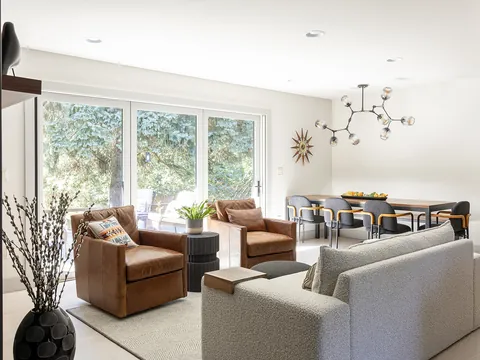
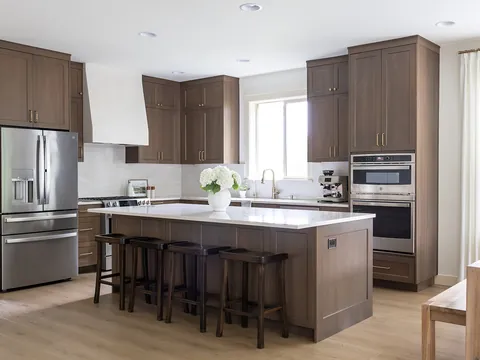
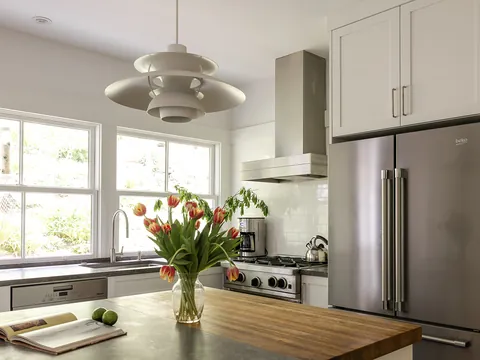
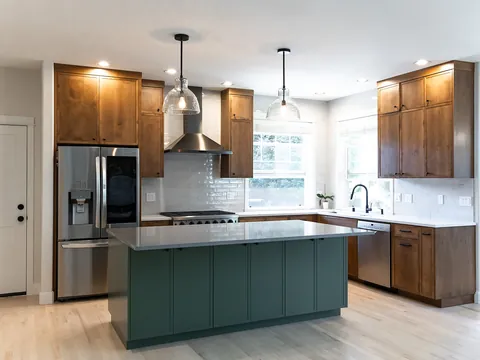
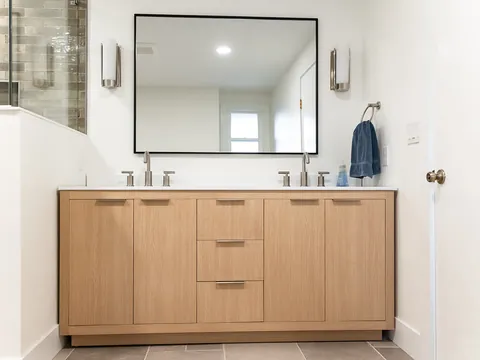
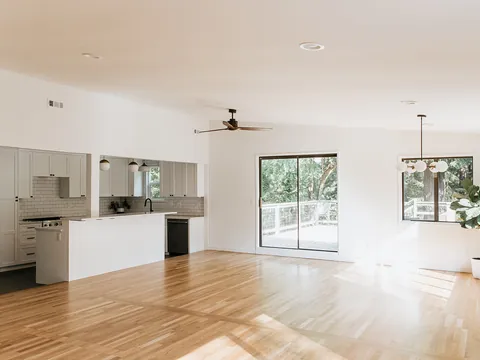
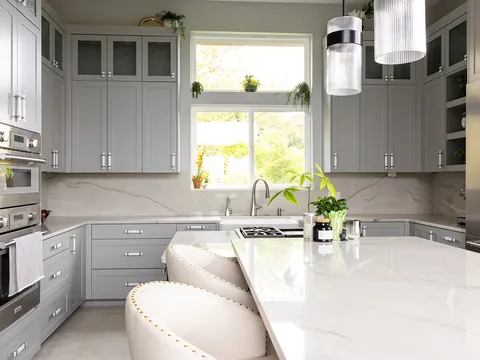
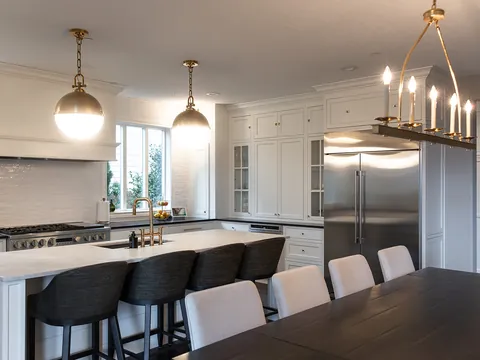
- Interior remodels. Kitchens, bathrooms, new floor plans and flooring happen inside a heated house. A November kitchen remodel runs much like a June one.
- The permit process. Same application, same review, same inspections.
- Design. Layout, 3D design and selections happen at the kitchen table, in any weather.
Why fall is a good time to design and permit for spring
If your project includes an addition or exterior changes you would rather build in dry weather, fall is the time to get the paperwork moving:
- Design in fall. JDI provides a firm written quote typically 2–3 weeks after the free in-home visit and preliminary design, then final design and selections follow.
- Permit in winter. The City of Vancouver publishes no review-time target for residential permits. It says the completeness and quality of the plans is the main factor, so submitting a complete set over the winter leaves room for corrections. Our City of Vancouver permit guide covers the steps.
- Start as the rain tapers. Rain drops to 2.93 inches in April, 2.51 in May and 1.61 in June. Under VMC 17.08.110, work must start within 180 days of the permit being issued, and a residential permit expires two years after issuance, so a winter permit fits a spring start.
Larger projects can run on both tracks. JDI's mid-sized and large homes and projects with additions typically take 7–14 months on site after design and permits, so the interior can start in winter while the addition's foundation and shell wait for spring.
Frequently asked questions
Can you start a remodel in November or December?
Yes. Interior work runs normally through the winter. Plan around the holidays, and keep exterior and structural openings small and quickly closed.
Will rain damage my house during an addition?
Not if the work is sequenced well. The goal is to dry in the addition quickly, open the existing house only when it can be closed the same day or protected, and let wet framing dry before it is insulated and covered.
Is wet framing a mold risk?
It can be if it is closed in wet. The EPA advises drying wet materials within 24 to 48 hours and keeping indoor humidity below 60 percent. Framing should be dry before insulation and drywall go on.
Do inspections take longer in winter?
Neither the city nor the county publishes seasonal inspection times. In Vancouver, requests made after 7 a.m. are handled the next business day, but city code also lets the building official require up to three working days' notice, so a schedule should not count on next-day inspections in any season.
Should I just wait until spring?
For interior work, there is no need. For an addition or exterior work, use the fall and winter for design and permits so construction can start when the weather turns.
Rules change; confirm current requirements with the City of Vancouver Permit Center or Clark County before you design.
How JDI can help
JDI Construction has designed and built remodels through Vancouver winters since 2007. If you want to start now or plan for spring, schedule a free in-home consultation.
Keep going: Whole-house remodeling in Vancouver · Estimate your cost · Completed projects · How a JDI project runs · Client reviews