


Accessory Dwelling Units (ADUs) have become an increasingly popular solution for homeowners looking to maximize space and add value to their properties. Among the diverse architectural styles for ADUs, the timeless appeal of Spanish style stands out. Combining unique elements of tradition, beauty, and functionality, a Spanish style ADU is more than just an extension of your living space - it's an invitation to experience a harmonious blend of culture and elegance. Let's delve into the world of Spanish style ADUs, exploring key design elements, benefits, and tips for creating an inviting mini hacienda on your property.
Origins of Spanish Style Architecture
Spanish architecture finds its roots in the extensive and diverse history of Spain, reflecting influences from Roman, Moorish, and Renaissance periods. It gained popularity in the United States during the Spanish Colonial era, particularly in the states of the southwest like California and Arizona. This architectural style encapsulates fundamental aspects of Mediterranean aesthetics, emphasizing harmony with nature and the use of earthy materials.
Key Elements of Spanish Style ADUs
Stucco Walls
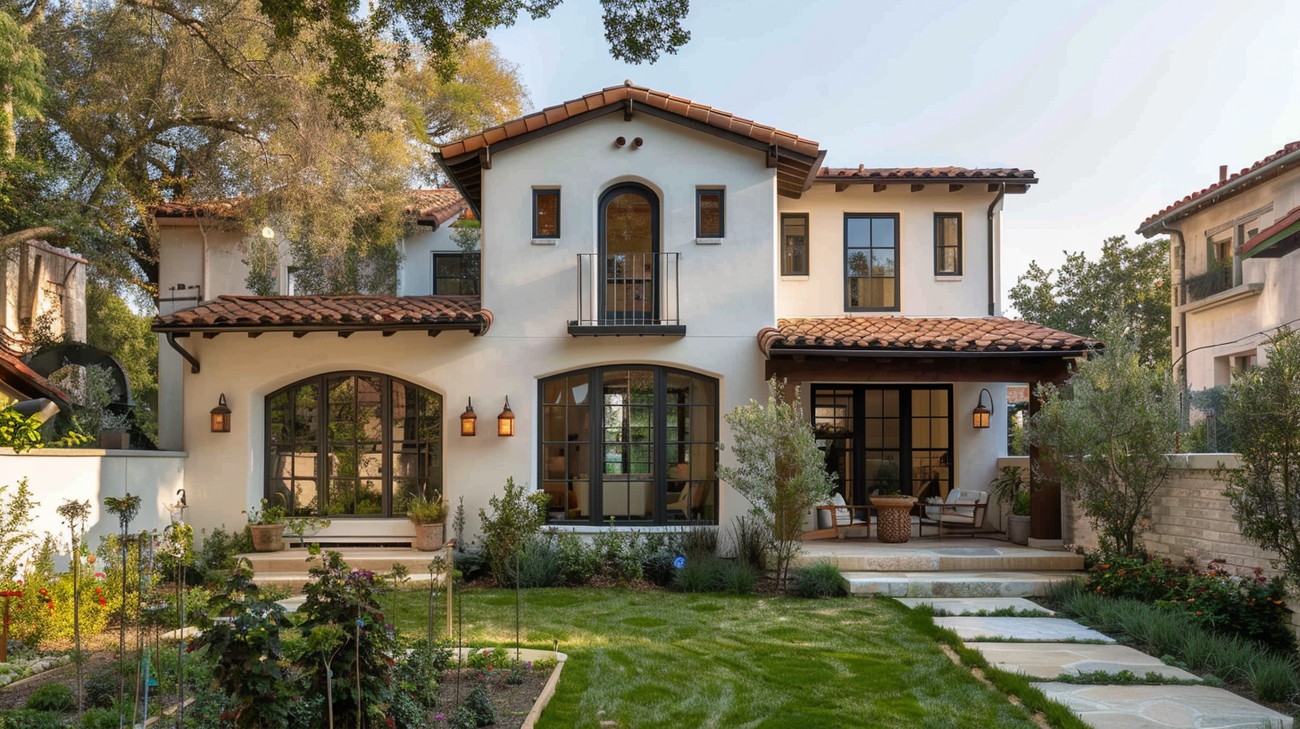
Stucco is a quintessential feature of Spanish style architecture. The texture of stucco offers natural insulation benefits and its ability to withstand various weather conditions makes it ideal for an ADU. The traditional white or light-colored stucco gives the ADU a bright and fresh appearance and reflects the sun, keeping the interior cool during warmer months.
Red-Tiled Roofs
A signature element of Spanish design is the use of red clay tiles on rooftops. These tiles not only give your ADU a vibrant look but also serve practical purposes, such as improved drainage and increased durability against the elements.
Arches and Curves
Emphasizing fluidity and grace, arches and rounded door frames are staples in Spanish architecture. Incorporating these elements into your ADU adds an elegant visual appeal, softening lines, and inviting natural light into spaces.
Creating an Inviting Spanish Style ADU
Interior Design Tips
To fully embrace the Spanish aesthetic, the interior design should reflect the warmth and charm of the exterior. Here are some tips:
- Flooring: Opt for terracotta tiles, wood, or stone for a rustic, yet sophisticated feel.
- Color Palette: Use warm, earthy tones such as ochre, terracotta, and deep reds. Incorporate bright accents through textiles or artwork.
- Furniture: Choose wrought iron or wooden furniture with intricate carvings. Upholstery in natural fabrics will add to the comfort.
- Cozy Decor: Adorn walls with vivid tapestries or Talavera tiles. Hang weathered lanterns or rustic chandeliers for lighting.
Landscaping and Outdoor Spaces
A Spanish style ADU is not complete without a beautiful outdoor space, echoing the tradition of courtyards and gardens:
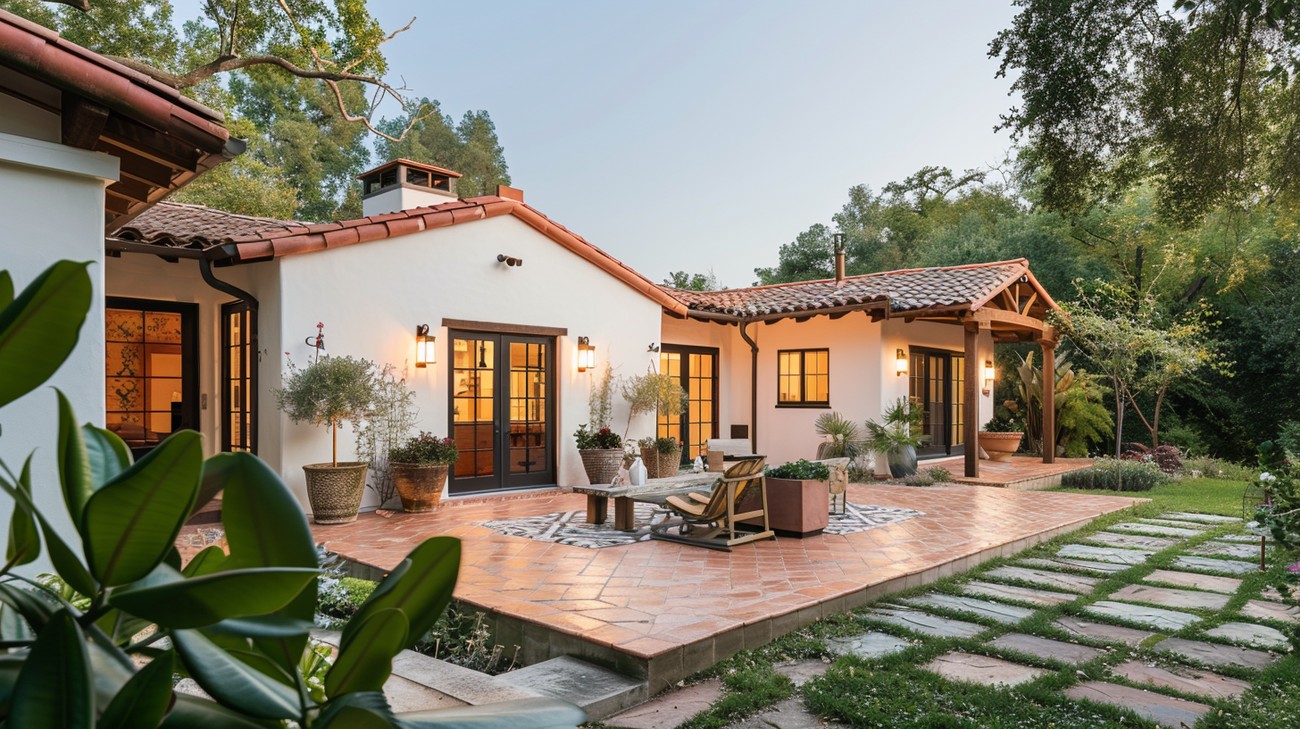
- Include a small courtyard or patio area with ornamental plants such as succulents, lavender, or olive trees.
- Add a fountain as a focal point to create an atmosphere of tranquility.
- Use natural stone paths and wrought iron gates to enhance the entryway.
Modern Utilities and Sustainability
While the Spanish style ADU carries a rich historical charm, integrating modern utilities ensures convenience and sustainability:
- Energy Efficiency: Install solar panels and energy-efficient HVAC systems to reduce the carbon footprint.
- Water Conservation: Xeriscaping with drought-resistant plants can minimize water usage.
- Smart Technology: Smart home devices can be seamlessly integrated for enhanced comfort and security.
Advantages of Owning a Spanish Style ADU
Increased Property Value
Incorporating a Spanish style ADU can significantly increase your property’s market value. The distinctive architectural appeal often attracts potential buyers and renters who appreciate unique and timeless design.
Additional Income
With housing costs on the rise, a Spanish style ADU can serve as a lucrative rental space. Whether you choose short-term vacation rentals or long-term tenants, the profit potential is tremendous.
Flexible Living Arrangements
An ADU provides flexibility for various living situations. It can serve as a guest house, a home office, a studio, or living quarters for extended family members, offering independence while remaining close by.
Building a Spanish Style ADU: What to Consider
Local Regulations
Before embarking on your ADU project, familiarize yourself with local zoning laws and building codes. Regulations vary considerably depending on your location, affecting aspects such as size limits, allowances, and permits required.
Budget Planning
Careful budgeting is critical to avoid unexpected costs. Consider materials, labor, permits, and customization in your financial plan. Prioritize elements that enhance the architectural essence without breaking the bank.
Hiring Professionals
Collaborating with architects and builders who specialize in Spanish style design can ensure authenticity and quality in your ADU construction. Their expertise will guide you through the intricate process of achieving your dream space.
Frequently Asked Questions about Spanish Style ADU
How does a Spanish Style Accessory Dwelling Unit differ from other ADU designs?
A Spanish Style ADU is characterized by its unique architectural elements that draw inspiration from Spanish colonial architecture. Unlike other ADU designs, the Spanish Style utilizes elements such as stucco walls, red-tiled roofs, wrought iron details, and arched doorways. These features create a distinct and charming aesthetic that mirrors the warmth and inviting nature of Mediterranean designs. The choice of materials, colors, and patterns all work together to create a cohesive and harmonious design that sets the Spanish Style ADU apart from modern, contemporary, or minimalist ADU styles.
What are the key architectural features of Spanish Style ADUs?
Key architectural features of Spanish Style ADUs include red clay tile roofs, white or earth-toned stucco exteriors, wrought iron details on railings and window grills, and arched windows and doorways. These features are complemented by exposed wooden beams, ornamental tiles, and decorative terracotta elements, contributing to the overall rustic yet elegant appeal. The use of natural materials and finishes is intended to blend seamlessly with the surrounding landscape and environment, often incorporating lush gardens and courtyards that enhance the indoor-outdoor living experience essential to Spanish architecture.
Are Spanish Style ADUs energy-efficient?
Yes, Spanish Style ADUs can be energy-efficient. The design principles inherent to Spanish architecture often incorporate thick stucco walls that offer excellent insulation, helping to maintain stable interior temperatures. Additionally, the use of terracotta roof tiles aids in temperature regulation by providing natural ventilation. Modern interpretations of the Spanish Style ADU often combine these traditional methods with contemporary energy-efficient technologies such as solar panels, energy-saving windows, and smart climate control systems to further enhance their efficiency and sustainability.
How do I start the process of building a Spanish Style ADU?
To start building a Spanish Style ADU, begin by checking your local zoning laws and regulations to ensure compliance with any size, height, or design requirements. Next, consult with an architect or designer who specializes in Spanish architecture to plan your ADU's layout and aesthetics. Your selected professional will assist in drafting blueprints that capture the authentic elements of Spanish Style while adhering to any local building codes. Additionally, selecting a qualified contractor experienced in constructing Spanish Style buildings will be essential in bringing your vision to life while ensuring the project's quality and authenticity.
What materials are commonly used in Spanish Style ADU construction?
Spanish Style ADUs commonly feature a variety of traditional and natural materials that contribute to their distinctive look. Stucco is a primary component for walls, offering a textured finish and durability. Clay roof tiles provide both aesthetic value and practical benefits through weather-resistant properties. Wood is utilized extensively, from exposed ceiling beams to ornate doors. Wrought iron is favored for decorative elements like railings and window grilles. Ornamental tiles add color and pattern, often used in flooring, stair risers, and backsplash detailing. Selecting materials that reflect the earthy color palette typical of Spanish design is crucial for authenticity.
Can I add modern amenities to a Spanish Style ADU without compromising its authentic look?
Absolutely! Adding modern amenities to a Spanish Style ADU is possible by carefully integrating contemporary technology and comforts without altering the traditional aesthetic. This involves subtle integration of modern elements such as energy-efficient appliances, state-of-the-art plumbing and electrical systems, and advanced home automation, all while maintaining the exterior and interior design consistent with the Spanish Style. Selecting fixtures and finishes that complement the traditional elements, like modern wrought iron light fixtures or sleek wooden cabinetry, ensures that your Spanish Style ADU remains both authentic and functionally modern.
What design considerations should be kept in mind for a small Spanish Style ADU?
When designing a small Spanish Style ADU, space optimization is key. Emphasize an open floor plan with multi-purpose areas to create the impression of a larger space. Incorporate arched doors and large windows to maximize natural light and create a connection with the outdoors. Utilize built-in furniture and storage solutions to reduce clutter. Consider a cohesive color palette that enhances openness, such as soft earthy tones with warm accents. Select decor and furnishings that are minimal yet reflective of Spanish Style, like terracotta pots and wrought iron fixtures, to maintain the aesthetic while preserving functionality and flow.
Is it possible to have a Spanish Style ADU in an urban setting?
Yes, it is entirely possible to have a Spanish Style ADU in an urban setting. In fact, this architectural style can add warmth and charm to urban landscapes, where its distinctive aesthetic offers contrast to modern buildings. When planning a Spanish Style ADU in the city, consider the surrounding architecture and community guidelines, ensuring your design complements and enhances the neighborhood’s existing character. Incorporating rooftop gardens or terraces can provide green space in urban environments, maintaining the essence of indoor-outdoor living that is central to Spanish design even within constrained city areas.
Cost Breakdown
Typical Price Ranges
When planning a Spanish Style Accessory Dwelling Unit (ADU), the cost is an important factor to consider. Typically, these units range from $100,000 to over $300,000. The price can fluctuate significantly based on the size of the ADU, location, and individual homeowner preferences. For example, a small 300-square-foot ADU may cost closer to the lower end, around $100,000 to $150,000. On the other hand, a more spacious and luxurious option of 1,200 square feet might push the expenses closer to or even above the $300,000 mark.
Factors That Affect Cost
Several critical factors determine the final cost of a Spanish Style ADU. First, the scope of the project is crucial. Larger ADUs require more materials, labor, and time, directly impacting the overall cost. Second, the quality of materials chosen, such as authentic Spanish tiles or high-end stucco, will also raise the price. Additionally, local building codes and permits can add to the cost, especially in areas with stringent regulations. Another significant factor is the complexity of the design. Incorporating custom features like arched doorways or wrought iron fixtures may elevate the price significantly.
Cost Comparison (Budget vs. Premium Options)
The disparity between budget and premium options for a Spanish Style ADU can be substantial. A budget-friendly ADU might incorporate cost-efficient materials like concrete tiles instead of authentic clay and utilize simpler design elements to maintain the classic style without extravagant embellishments. Such a structure might land on the lower end of the spectrum, possibly between $100,000 and $150,000. In contrast, a premium option indulges in finer details: terra cotta roofing, hand-painted tiles, and custom woodwork. This attention to detail can push the cost upwards of $250,000 to $300,000 or more, depending on the level of customization desired.
Hidden Costs to Consider
Building a Spanish Style ADU involves more than just the visible construction costs. There are several hidden costs that homeowners should be prepared for. Permit fees can range from $500 to $10,000, depending on local regulations. Additionally, utility connections and upgrades, such as electrical, plumbing, and heating systems, can add an extra $10,000 to $30,000. Site preparation, which includes grading, foundation work, and landscaping, might cost another $5,000 to $20,000. Unexpected challenges such as soil issues or structural modifications can further increase costs, making it advisable to allocate an extra 10-20% of your budget for contingencies.
Ways to Save Money
To stretch your budget further, consider several money-saving strategies. First, focus on a smaller, more efficient design to limit material and labor expenses. Choosing off-the-shelf materials instead of custom options can also significantly reduce costs. Additionally, completing part of the work yourself, such as painting or landscaping, can help save on labor charges. It's also beneficial to obtain multiple quotes from contractors. This not only provides a range of pricing but also opens the door to negotiate better deals. Finally, planning and designing your ADU with an emphasis on energy efficiency can lead to reduced utility costs over time, which is an added long-term financial benefit.
Final Thoughts
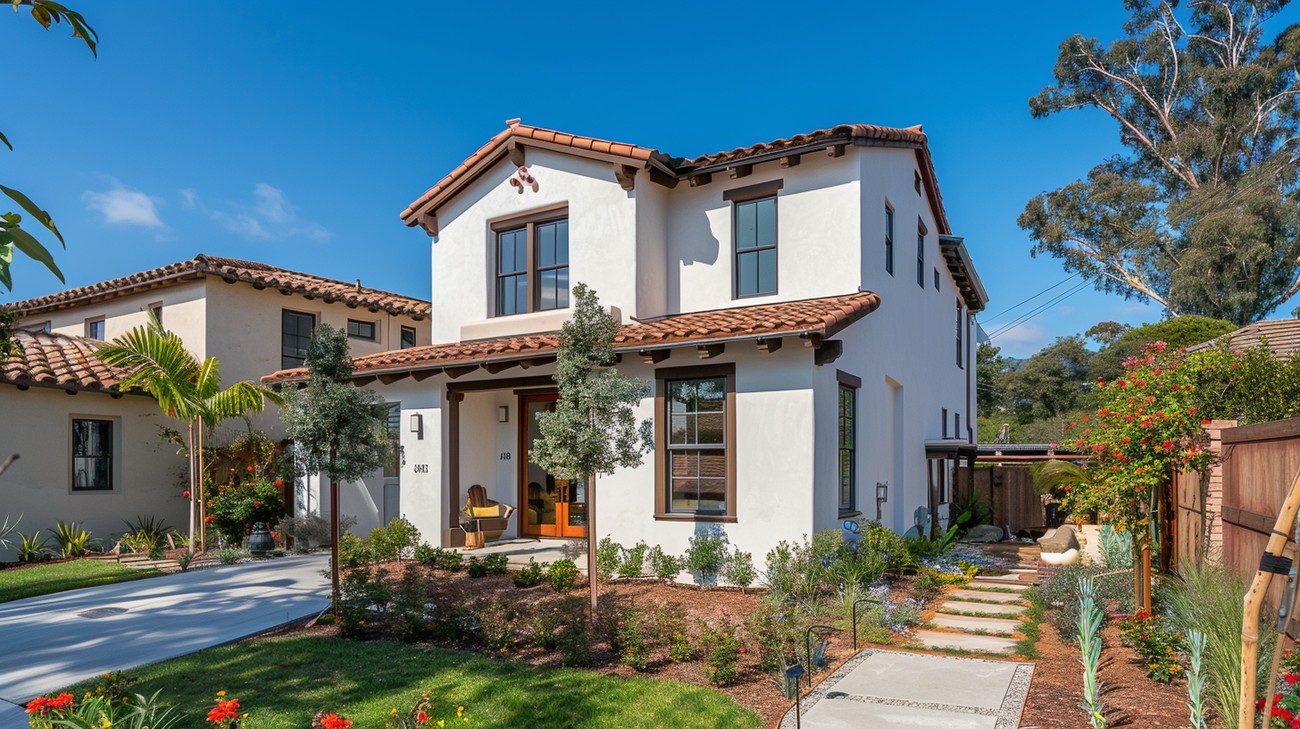
Creating a Spanish Style ADU can beautifully enhance your property, adding not just value but also a unique aesthetic that stands out. From vibrant tile work to graceful arches, this design style offers a touch of elegance and warmth that can transform your backyard into a welcoming retreat. In Portland, OR, these distinguished structures can perfectly complement the local architecture while providing functional space for guests or rental income.
If you're inspired to explore the possibilities of building your own Spanish Style ADU, we at JDI Construction are here to help. Our team of local experts can guide you through the design and construction process, ensuring that your ADU meets your vision and needs. Contact us today to schedule a consultation or request a free estimate, and let's turn your dream into a reality!


