
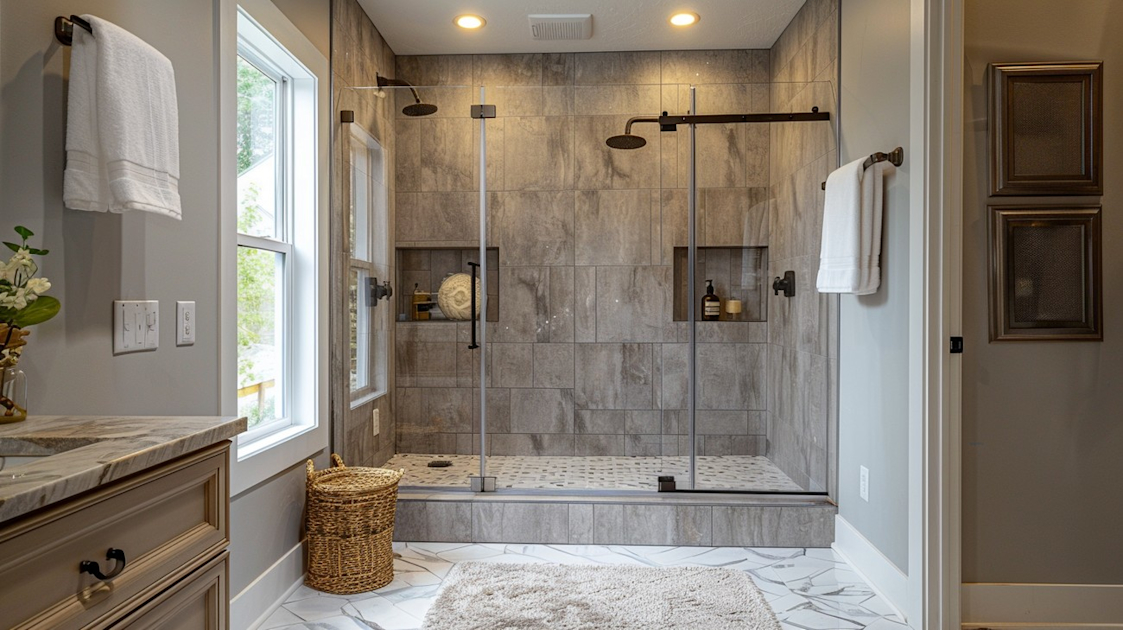


Remodeling your shower is one of the most effective ways to breathe new life into your bathroom. Whether you’re aiming to enhance functionality, increase home value, or create a luxurious retreat, a shower remodel can accomplish it all. This guide will take you through every step of reimagining your shower space into a personal oasis.
Understanding Your Shower Remodel Goals
The first and most crucial step is understanding your goals. Think about what you want to achieve with your shower remodel:
- Functionality: Are you looking to make the space more accessible or efficient?
- Aesthetics: Is your focus on elevating the design with chic tiles and modern fixtures?
- Value Addition: Do you aim to increase your home’s resale value?
Once you identify your primary goal, the rest of the decisions will fall into place more naturally.
Planning the Perfect Shower Layout
When it comes to planning, layout is king. The right layout will maximize your space, enhance functionality, and align with your aesthetics. Consider these layout aspects:
Space Utilization: Measure your current shower space and explore how you can optimize it. If space is limited, consider a corner shower or a neo-angle design to conserve space.
Accessibility and Safety: Plan for any accessibility needs, such as grab bars or a barrier-free entry, especially if you’re remodeling with aging in place in mind.
Fixture Placement: Position the showerhead and faucets for easy reach and optimal water flow. Ensure that controls are easy to use and not too far from the entry point to avoid cold water splashes.
Selecting Materials and Finishes
Choosing the right materials is integral to achieving your desired look and ensuring durability.
Tile Choices
Ceramic and Porcelain: These are popular choices due to their durability, water resistance, and a wide range of design options.
Natural Stone: For a luxurious feel, consider marble, granite, or travertine. Keep in mind that these require sealing to prevent water damage.
Glass Tiles: Use these for a bright, reflective surface that can make a small shower appear larger.
Fixture Finishes
Chrome: Offers a modern, sleek look and is easy to clean.
Brushed Nickel: Has a matte finish that doesn’t show fingerprints and water spots easily.
Matte Black: Provides a bold look and works well with minimalist designs.
Lighting: Setting the Mood
Lighting is often an overlooked aspect of bathroom remodels, yet it plays a critical role in creating ambiance.
Task Lighting: Ensure adequate task lighting for when you need it, like above the shower or outside if you prefer natural light during the day.
Accent Lighting: Consider adding LED strip lights or recessed lighting to highlight design features or create a relaxing atmosphere.
Ventilation Is Vital
A crucial element of any shower remodel is proper ventilation. Without it, your beautiful new shower could become a breeding ground for mold and mildew.
Exhaust Fans: Choose powerful yet quiet exhaust fans to effectively remove moisture from the room.
Natural Ventilation: Implement windows or a skylight if possible, allowing natural air circulation while adding a touch of natural light.
Budgeting Wisely
Determining your budget upfront will guide all other decisions. Think of it in categories:
Materials: Allocate funds for high-quality materials that align with your goals.
Labor: Hiring skilled professionals might cost more initially but will save money in the long term with better-quality work.
Contingency: Always set aside around 10-15% of your budget for unexpected expenses.
Eco-Friendly Shower Solutions
Incorporating eco-friendly elements into your shower remodel isn't just good for the planet—it's also great for your utility bills.
Low-Flow Fixtures: Choose WaterSense-rated showerheads and faucets that reduce water usage without sacrificing performance.
Sustainable Materials: Opt for tiles made from recycled materials or wood certified by the Forest Stewardship Council.
LED Lighting: Use energy-efficient LED bulbs to minimize electricity usage.
Hiring the Right Professionals
Choosing the right contractor will make your remodeling process much smoother. Look for:
Experience: Ensure the contractor specializes in bathroom remodels and has a robust portfolio to review.
Licensed and Insured: Protect yourself by verifying that your contractor is properly licensed and insured.
References and Reviews: Do your homework by reading reviews and asking for references to gauge previous client satisfaction.

Shower Remodel FAQ
How much does a shower remodel typically cost?
The cost of a shower remodel can vary significantly depending on several factors such as the size of the shower area, the materials chosen, and the labor involved. On average, a basic shower remodel could range from $1,000 to $8,000. High-end remodels, featuring premium materials like marble or custom fixtures, could run from $10,000 to $15,000 or more. It's always a good idea to get multiple quotes from contractors and consider a detailed budget that includes unexpected expenses.
How long does a shower remodel take?
A shower remodel can take anywhere from a few days to a few weeks, depending on the complexity of the project and the availability of materials. A simple update, like replacing fixtures or re-tiling, may only take a few days. A complete overhaul that involves demolishing existing structures, moving plumbing, and installing new features like a steam shower or custom bench might extend the timeline significantly. To ensure timely completion, work closely with your contractor and have a clear plan and schedule in place.
What are the latest trends in shower remodeling?
Current trends in shower remodeling emphasize functionality, aesthetics, and sustainability. Walk-in showers with frameless glass enclosures are increasingly popular for their sleek, modern look. Rain showerheads and smart showers with digital controls are also in demand for their enhanced comfort. Sustainable materials, such as bamboo or recycled glass tiles, are favored for eco-friendly remodels. Trendy colors like matte black for fixtures and neutral, calming tones for walls and floors create a spa-like atmosphere in your bathroom.
Should I hire a professional or attempt a DIY shower remodel?
Whether to hire a professional or undertake a DIY shower remodel depends on your confidence and skill level in handling the tasks involved. Professionals bring expertise, ensuring that plumbing and electrical work meet safety codes and that the finished product is polished and durable. DIY projects can be cost-effective and satisfying, but they require a good understanding of construction principles and access to tools. If you're considering a DIY approach, tackling smaller updates like re-tiling or replacing a showerhead may be more feasible than a full remodel.
What permits are needed for a shower remodel?
The need for permits during a shower remodel varies based on the extent of the work and local building codes. Simple cosmetic changes like updating fixtures or retiling typically don't require permits. However, if your remodel involves structural changes, plumbing or electrical work, you'll likely need permits to ensure the work complies with local building regulations. It's essential to check with your local government or your contractor to understand the specific permits required for your project.
How can I waterproof my shower during a remodel?
Ensuring proper waterproofing is crucial in any shower remodel to prevent leaks and mold growth. Begin by installing a waterproof membrane on the walls and floor under the tiles. Use a cement backer board to provide a solid base that resists water damage, and apply sealant to all seams and corners. Choosing high-quality grout and regularly sealing it is vital to maintaining a moisture barrier. Proper ventilation is also key—consider adding a fan if you don't already have one to minimize humidity build-up.
Can I change the layout of my shower during a remodel?
Changing the layout of your shower during a remodel is possible but often involves more extensive work and higher costs. Moving plumbing lines to accommodate a new shower or expanding the shower area may require special permits and professional expertise. Before deciding to change the layout, consider the existing plumbing configuration and whether it can support your desired changes. If your budget and space allow, this can be an excellent opportunity to tailor your bathroom to better fit your needs and aesthetics.
What materials are best for a shower remodel?
The best materials for a shower remodel depend on your budget, style preferences, and maintenance considerations. Ceramic or porcelain tiles are popular choices for walls and floors due to their durability and resistance to moisture. Natural stones like travertine or granite bring a luxurious feel but require regular sealing to maintain their condition. Acrylic and fiberglass shower bases are cost-effective and easy to clean. When choosing fixtures, consider corrosion-resistant materials such as stainless steel or brass for longevity.
How do I choose the right showerhead for my remodel?
Selecting the right showerhead involves considering factors like water pressure, spray patterns, and features such as adjustable settings or eco-friendliness. Rain showerheads offer a gentle, spa-like experience, while handheld showerheads with adjustable settings provide flexibility and convenience. Consider models designed to conserve water—a high-efficiency showerhead can significantly reduce water usage without compromising performance. It's beneficial to match the showerhead style with other fixtures in your bathroom for a cohesive look.
Is it necessary to update shower plumbing during a remodel?
Updating your shower plumbing during a remodel isn't always necessary, but it can be beneficial, particularly if the existing plumbing is outdated or problematic. Modern plumbing materials and techniques can improve water efficiency and reduce the risk of leaks. If you’re installing new fixtures or changing your shower layout, an update might be required to ensure proper function and code compliance. Even if plumbing updates aren't necessary for your chosen design, it's a good time to assess the condition of your pipes and make preventative repairs.

Cost Breakdown
Typical Price Ranges
Remodeling a shower can vary widely in costs, mainly depending on the scope of the project. On average, a shower remodel can range from $1,000 to $8,000. For a more modest remodel, expect costs on the lower end, around $1,000 to $3,000, while a luxurious or extensive overhaul can easily escalate to $4,000 to $8,000 or more. Keep in mind that features like premium tiles or custom glass doors can significantly push this estimate higher.
Factors That Affect Cost
Several factors influence the overall expense of shower remodeling:
Shower Type: The type of shower you select, whether it's a basic stall or a walk-in with multiple showerheads, can dramatically affect your budget. Prefabricated showers are generally less expensive compared to custom-built ones.
Materials Used: The choice of materials for tiles, fixtures, and enclosures can vary from budget-friendly options like fiberglass or acrylic to high-end marble or ceramic tiles. Costs can range from $2 per square foot for budget tiles to over $25 for premium materials.
Labor Costs: Labor can often match or even surpass material costs. Depending on your location and the project's complexity, labor rates can range from $50 to $100 per hour. Additionally, any plumbing or structural changes will require skilled labor, adding to the cost.
Fixture Quality: The quality and brand of fixtures like showerheads, handles, and faucets can range from $20 for budget options to over $200 for designer pieces.
Size and Layout: A larger shower area or one that requires layout changes, like moving a drain or water line, can elevate costs considerably.
Cost Comparison (Budget vs Premium Options)
Budget-Friendly Remodel: For those on a tight budget, sticking to a basic design with prefabricated units can help control costs, often falling between $1,000 and $3,000. Economical tile choices, DIY installations, and basic fixtures can assist in keeping the budget in check.
Premium Remodel: Opting for a high-end remodel with luxury materials, designer fixtures, and custom glass doors will escalate the costs to $4,000 to $8,000 or more. The added expense typically provides a more durable and visually impressive result with enhanced features and finishes.
Hidden Costs to Consider
- Repair Costs: Structural repairs or mold removal can unexpectedly increase costs. It's wise to allocate an additional 10-15% of the project's total budget to cover these potential surprises.
- Waste Disposal: Disposing of old tiles, fixtures, and debris necessitates proper planning, with costs ranging from $50 to $200 depending on the volume and region.
- Upgrades to Other Areas: A new shower may suddenly make other bathroom areas look outdated, enticing you to upgrade more than initially planned.

Timeline & Process
Phase 1: Planning and Design (1-2 weeks)
What Happens: This is where your vision takes form! Start by defining the scope of your shower remodel. Decide whether you're doing a partial or full remodel. Identify your desired style, materials, and must-have features. Create a budget and gather inspiration from magazines, social media, or home improvement shows.
Dependencies & Waiting Periods: You might need an initial consultation with a contractor. If you’re hiring a designer, their availability can also affect the timeline.
How to Prepare: Sketch out ideas, note your preferences, and compile a list of requirements. Organize a budget sheet, and make sure you have funds allocated. If using professionals, prepare questions and set up meetings.
Phase 2: Hiring Contractors and Securing Permits (1-3 weeks)
What Happens: Interview potential contractors and check references. Once you've signed with a contractor, apply for the necessary permits. Not every remodel requires permits, but extensive changes often do.
Dependencies & Waiting Periods: Permit approval times can vary—plan for at least a week. Contractor schedules may affect the actual timeline.
How to Prepare: Compile a list of interview questions for your contractor. Ensure access to critical documents, like property blueprints or previous renovation permits if needed.
Phase 3: Demolition and Prep Work (1 week)
What Happens: It’s time to clear the old to make way for the new. The contractor will remove existing fixtures, tiles, and other materials. Any structural issues or water damage from the old setup will also be addressed.
Dependencies & Waiting Periods: Unforeseen damage may need additional repairs, affecting timelines.
How to Prepare: Clear personal items from the bathroom. Ensure alternative shower arrangements are in place for the duration of the remodel. Discuss debris disposal logistics with your contractor.
Phase 4: Plumbing and Electrical Work (1 week)
What Happens: Now to the unseen but crucial elements—plumbing and electrical work comes into play. New pipes, fixtures, and electrical systems for lighting and ventilation are set up.
Dependencies & Waiting Periods: Availability of plumbing and electrical contractors might shift the schedule. Inspections may be required, depending on your local regulations.
How to Prepare: Double-check fixture placements and electrical outlets. Confirm that all materials and fixtures mirror your plan.
Phase 5: Installation (1-2 weeks)
What Happens: The visible transformation begins as tiles, vanities, shower doors, and hardware are installed. If you’ve chosen custom materials, such as bespoke tiles, these will be installed now.
Dependencies & Waiting Periods: Custom elements could take longer to arrive if not prepared up front. Differences between the chosen design and available materials might cause delays.
How to Prepare: Ensure all items have been delivered before installation starts. Keep a channel of communication open with your contractor for timelines and any potential adjustments.
Phase 6: Finishing Touches and Inspection (1 week)
What Happens: This is the cherry-on-top phase! Grouting, painting, and final fixture adjustments occur. The remodel is inspected and verified for quality and adherence to design.
Dependencies & Waiting Periods: You may face delays waiting for inspectors if required.
How to Prepare: Check any reservations or final tweaks with your contractor to ensure a seamless finale.
Phase 7: Cleaning and Handover (2-3 days)
What Happens: Your contractor cleans the space, removing any construction debris, so it’s ready for use. You’ll conduct a final walk-through to ensure satisfaction.
Dependencies & Waiting Periods: Allow time for re-cleaning or minor fixes identified during the walk-through.
Final Thoughts
A successful shower remodel can transform your everyday routine into a luxurious experience, making it one of the most rewarding home improvement projects. When considering a remodel, think about the functionality, style, and finishes that best suit your lifestyle and space. With a plethora of options out there, from sleek modern designs to cozy, traditional looks, it’s important to choose elements that resonate with your personal taste while also adding value to your home.
If you're ready to bring your vision to life, we encourage you to reach out to us at JDI Construction. Serving homeowners in Portland, OR, we’re here to guide you through every step of your shower remodel journey, ensuring that your new space is not only beautiful but also meets your needs perfectly. Let’s chat about how we can help turn your dream into reality—contact us today for a consultation or to request a free estimate!


