
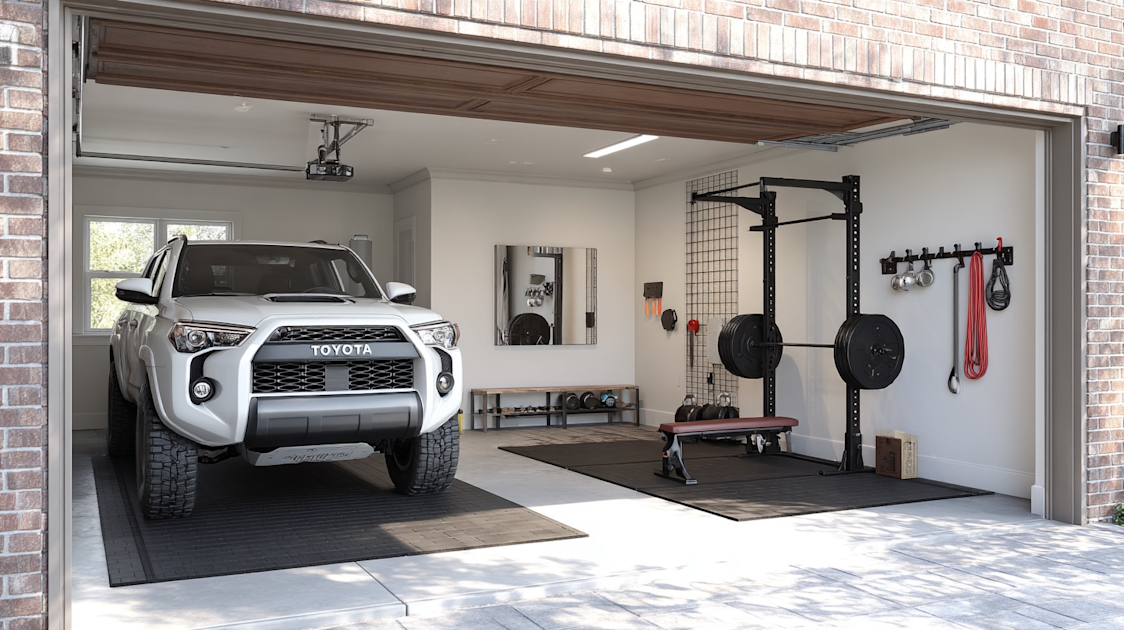


Transforming your garage into a livable space can add significant value and functionality to your home. Whether you're dreaming of a cozy guest suite, a home office, or an entertainment lounge, understanding the garage conversion cost is crucial before embarking on this project. This detailed article breaks down the key factors influencing the cost, offering insights to help you budget effectively.
Understanding Garage Conversion
Garage conversions involve repurposing an existing garage into a new living area, effectively extending your home’s square footage without altering its overall footprint. This transformation can drastically increase your property’s value, but careful planning is essential to manage costs and ensure compliance with local regulations.
Key Factors Influencing Conversion Costs
Several elements influence the cost of converting a garage, from size and scope to materials and labor. On average, homeowners might spend anywhere from $10,000 to $30,000, but numerous variables can swing costs higher or lower.
Permits and Legal Requirements
Complying with local zoning laws and obtaining necessary permits is a pivotal step. Permit costs can range from $500 to $2,000, depending on your location and the complexity of your project. Consulting with your local city council early in the process can save time and avoid potential fines.
Size and Layout Considerations
The size of your garage plays a significant role in overall costs. A single-car garage may be less costly to convert than a two-car space due to the smaller area and fewer materials required. Moreover, the complexity of the layout, such as adding plumbing for a bathroom or kitchen, can also affect expenses.
Structural Changes
Structural modifications often represent a major portion of garage conversion costs. Factors such as reinforcing floors, leveling, adding insulation, or altering walls, windows, and doors demand not just materials but skilled labor, increasing your total investment.
Utility Connections
Bringing utility lines, such as electricity, plumbing, and HVAC systems, into your new space is essential for comfort and functionality. Installing new systems or extending existing ones can vary significantly in price based on your home’s existing infrastructure and the distance to connect these systems to your converted garage.
Interior Finishes
The selection of interior finishes—ranging from flooring and paint to cabinetry and appliances—can dramatically influence costs. Consider whether you prefer high-end finishes or budget-friendly alternatives. Here’s a breakdown of common interior features and their potential costs:
- Flooring: Hardwood or luxury vinyl plank can range from $3 to $10 per square foot.
- Paint and Wallpaper: Expect to pay $1 to $3 per square foot.
- Lighting Fixtures: Basic fixtures can start at $50, while custom lighting could reach several hundred dollars.
Furnishings and Decor
Ultimately, how you furnish and decorate your converted garage will also bear a significant impact on costs. Opting for custom millwork, bespoke furniture, or high-end electronics can add another layer of expense. Conversely, utilizing upcycled or cost-effective furnishing options can help keep your budget in check.
Budgeting for a Garage Conversion
Setting a realistic budget requires thorough research and careful consideration of your specific needs and constraints. Here's a step-by-step approach to help you establish a comprehensive budget:
- Outline Your Objectives: Decide on the purpose of the conversion (e.g., bedroom, office, studio).
- Draft a Project Plan: Develop a detailed blueprint that includes your desired layout, style, and essential features.
- Get Multiple Quotes: Collect estimates from contractors to understand potential labor and material costs.
- Plan for Unexpected Expenses: Allocate an additional 10% to 20% of your budget for unforeseen costs.
Hiring the Right Contractor
Selecting an experienced contractor is crucial for ensuring your project is completed on time, within budget, and to code. Look for contractors with verifiable credentials and solid references. When evaluating potential candidates, consider:
- Their expertise with similar projects.
- Client reviews and testimonials.
- Detailed and transparent estimates.
Maximizing Your Investment
A well-executed garage conversion not only enhances your living space but also increases your home's market value. Here are some tips to maximize your investment:
- Optimize for Multi-Purposing: Design a flexible layout that allows the space to serve multiple functions over time.
- Prioritize Energy Efficiency: Invest in high-quality insulation, energy-efficient windows, and proper ventilation to ensure comfort and minimize utility costs.
- Enhance Curb Appeal: Ensure that external modifications complement your home’s aesthetic, boosting overall property value.
Garage Conversion Cost FAQ
What factors influence the cost of converting a garage?
When considering a garage conversion, several factors can influence the overall cost. The size of the garage is a primary determinant, as larger spaces require more materials and labor. The scope of the project is another critical factor; simple modifications like adding insulation, flooring, and drywall will differ significantly in cost compared to extensive overhauls that include plumbing, wiring, and structural changes. The intended use of the converted space—whether an additional bedroom, a home office, or a studio apartment—will further dictate specific requirements and expenses. Additionally, the need to obtain permits, upgrade utilities, or make the structure compliant with building codes can affect the budget. Local labor costs and the homeowner's choice of materials are also important considerations.
Can I reduce garage conversion costs by doing some work myself?
Homeowners often wonder if they can lower garage conversion costs by undertaking some of the work themselves. Indeed, a DIY approach can be a cost-saving strategy for those with some remodeling skills. Tasks such as painting, laying flooring, or even basic carpentry can be tackled to save on labor expenses. However, for more complex or technical tasks like electrical wiring, plumbing, or structural modifications, hiring professionals is crucial to ensure safety and adherence to building codes. It's essential to balance potential savings with the risks of DIY work, as mistakes can lead to higher costs in the long run due to necessary repairs or adjustments.
How do permit costs affect a garage conversion budget?
Obtaining the necessary permits can impact your garage conversion cost significantly. The prices of permits vary widely depending on your location, the extent of the conversion, and local regulations. For example, permits for simple structural changes might be relatively affordable, while those for electrical or plumbing work could be more costly. Failing to secure the appropriate permits can lead to fines or the need to redo work, thereby increasing expenses further. Consulting with a local contractor or your city’s building department early in the planning process can provide insight into which permits are necessary and their associated costs.
How does the choice of materials impact garage conversion expenses?
The selection of materials plays a vital role in determining total garage conversion expenses. High-end materials such as hardwood floors, granite countertops, or top-quality insulation can significantly increase costs. Conversely, opting for more budget-friendly alternatives like laminate flooring or prefabricated cabinetry can reduce expenses without compromising aesthetics or functionality. Additionally, sourcing materials locally can cut down on shipping costs and support the local economy. It’s important to strike a balance between quality and cost, ensuring durability and satisfaction with the finished space.
Is hiring a contractor the best way to control garage conversion costs?
Engaging a contractor can be an effective strategy for controlling and managing garage conversion costs. A professional contractor usually has established relationships with suppliers and can often negotiate better rates for materials and services. Contractors bring expertise, helping to avoid costly mistakes and ensuring that the conversion is up to code. They also manage the project timeline, which can prevent extended labor costs resulting from delays. However, it’s crucial to vet contractors thoroughly, check references, and compare estimates to ensure that hiring one will truly optimize your budget.
How can the intended functionality of a converted garage affect its cost?
The envisioned functionality for your converted garage plays a significant role in shaping the overall cost of the project. A straightforward transformation into a basic storage area might only require minimal remodeling and thus remain relatively inexpensive. In contrast, converting a garage into a livable space like a bedroom, guest suite, or home office could entail extensive modifications, including insulation, electrical work, and HVAC system extension, all of which drive up costs. Designing a space with plumbing, such as a bathroom or kitchen, further elevates the budget due to the need for water lines, drainage, and increased utility connections. Defining the intended use early in the planning process helps in estimating accurate costs and aligning the budget with the project goals.
What unexpected costs should I be aware of in a garage conversion?
Several unexpected costs can arise during a garage conversion, catching homeowners by surprise. Structural issues such as damage or instability in the existing framework might necessitate additional repairs or reinforcements. Discovering outdated or unsafe electrical wiring could lead to unplanned upgrades for compliance and safety. Moisture problems or the need for enhanced drainage solutions might also increase expenses. Unforeseen costs can be mitigated by conducting a thorough inspection of the garage before starting the conversion process and setting aside a contingency fund, typically 10-15% of the total budget, to cover surprises.
How much should I budget for utilities in a garage conversion?
In a garage conversion, budgeting for utilities is essential, as these expenses can significantly alter the project's overall cost. Extending or upgrading the existing HVAC system to condition the new space may require substantial investment, depending on the current system's capacity. If plumbing is part of the conversion, such as in creating a bathroom or kitchenette, costs will rise due to the need for routing water and drainage lines. Electrical upgrades are often necessary to accommodate lighting, outlets, and any additional appliances planned for the room. Consulting with utility professionals during the planning phase ensures that all necessary work is accounted for, and can help provide realistic cost estimates for integrating utilities into the conversion.

Cost Breakdown
Typical Price Ranges
When considering a garage conversion, knowing the typical price range helps set realistic expectations. On average, the cost can range from $5,000 to $20,000. For a more elaborate transformation, such as turning the garage into a fully functional living space with a bathroom and small kitchen, costs can escalate between $20,000 and $50,000. Factors like your location and the size of your garage will heavily influence where you fall within these ranges.
Factors That Affect Cost
Several key factors can drastically affect the total cost of your garage conversion:
Size of the Garage: Naturally, a larger garage will require more materials, labor, and time, thus increasing costs.
Purpose of Conversion: Converting a garage into a simple bedroom can be much cheaper than creating a comprehensive living area with kitchen and bathroom, each element adding to the total expense.
Local Regulations: Zoning, building permits, and inspection fees can vary widely. In some areas, permits may cost you just a couple of hundred dollars, while in others, they can run into thousands.
Quality of Materials: The cost can significantly differ based on your choice of materials, from budget drywall and flooring to more premium options like high-quality hardwood.
Structural Changes: If your conversion requires moving walls, installing new windows, or changing the electric and plumbing setup, brace for higher expenses.
Heating and Cooling: Installing an HVAC system can add $1,500 to $5,000, depending on the complexity and your geographical location.
Cost Comparison (Budget vs Premium Options)
When comparing budget-friendly to premium conversions, it's crucial to understand where costs diverge:
Budget Options: Simple conversions, like creating an unadorned bedroom or home office, are typically on the lower end ($5,000-$15,000). Here, you might use basic drywall, laminate flooring, and minimal fixtures.
Premium Options: High-end conversions ($30,000-$50,000) include luxury finishes, such as granite counters in a kitchenette, high-end carpet or hardwood flooring, and top-tier lighting and fixtures.
Hidden Costs to Consider
While planning, consider a few hidden costs that often sneak up:
Insulation: Not always included in initial quotes but essential for comfort, insulation can cost around $1,000 to $2,000.
Electrical Upgrades: Expanding the electrical system, necessary for new appliances or more lighting, might require several hundred to a few thousand dollars.
Pest Control and Mold Removal: Older garages, especially, might need pest extermination or mold remediation prior to conversion, costing hundreds to thousands.
Increased Property Taxes: A converted garage can increase your home's assessed value, leading to higher property taxes.
Ways to Save Money
If your budget is tight, here are some strategies to save money:
Final Thoughts
Understanding the full scope of garage conversion cost can help you make an informed decision that fits both your budget and your aspirations. Whether you envision a cozy guest suite, a vibrant office space, or a play area for the kids, the investment can vary significantly based on factors like design, materials, and local regulations—especially here in Portland, OR, where home design trends are ever-evolving.
If you're considering this exciting project, we invite you to reach out to us at JDI Construction. Our experienced team is dedicated to helping homeowners like you navigate the renovation process with ease. We’d be happy to discuss your vision, answer any questions you have, and provide a free estimate tailored to your needs. Let's transform your garage into the perfect space!


