
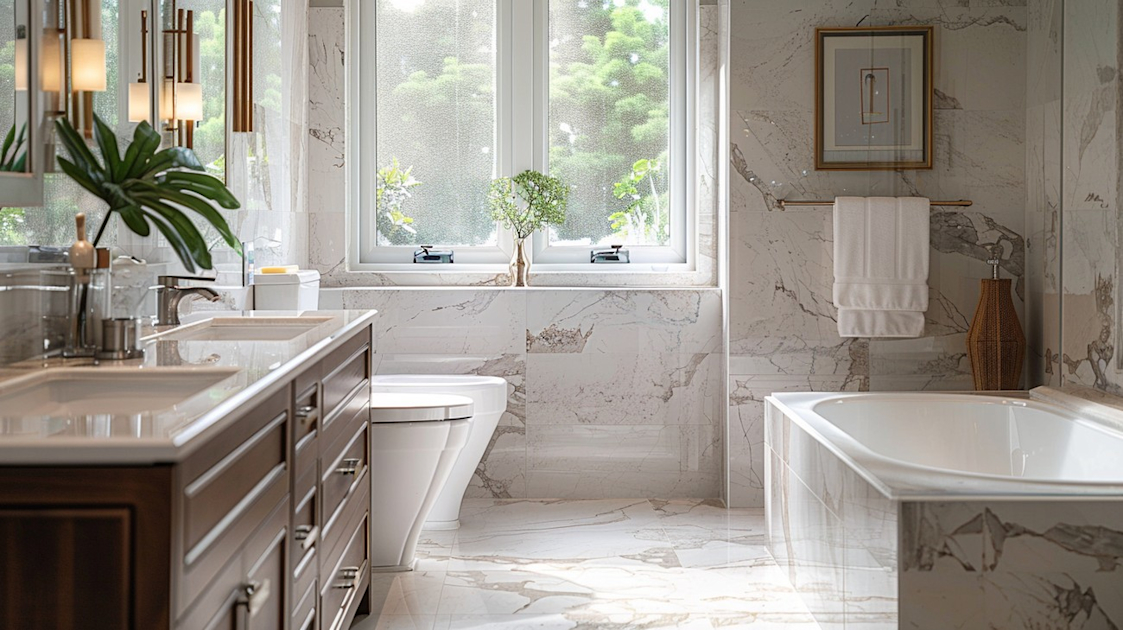


When it comes to choosing materials for your home renovation or design projects, cultured marble is an option that's worth considering. Its blend of beauty, durability, and affordability makes it a favored choice for many homeowners and designers. In this article, we'll dive deep into everything you need to know about cultured marble, exploring its composition, benefits, applications, and maintenance tips.
What is Cultured Marble?
Cultured marble is a man-made material, a blend of natural marble dust and resins, typically polyester resins. This combination is molded and then treated with a gel coat finish to make it a versatile material for various applications in home design. The result is a durable, non-porous surface that resembles natural marble but offers enhanced functionality.
The Composition of Cultured Marble
The composition of cultured marble is a fascinating aspect of its appeal. It's predominantly made from:
- Crushed Marble Dust: This is the primary component that gives cultured marble its characteristic appearance. The dust is refined from natural marble rocks.
- Polyester Resin: This acts as the binding agent that holds the marble dust together, providing strength and flexibility.
- Gel Coat Finish: A protective layer that is applied to the surface, ensuring a glossy finish and resistance to stains and scratches.
Benefits of Cultured Marble
Cultured marble presents several advantages making it a viable choice for various home applications. Let's look at some notable benefits.
Cost-Effectiveness
One of the most attractive features of cultured marble is its cost-efficiency. Compared to natural marble, cultured marble offers a similar aesthetic at a fraction of the cost, making it accessible to a wider range of budgets.
Durability and Maintenance
Cultured marble is renowned for its durability. It resists chips and cracks better than natural stone, thanks to its resin content. Additionally, its non-porous surface makes it resistant to stains and bacteria, making cleaning a breeze. Simple routine clean-ups maintain its glossy finish without requiring special sealants or treatments.
Versatility in Design
Whether you're aiming for a classic look or a modern finish, cultured marble offers a wide range of colors and patterns that can be tailored to your design preferences. The material's versatility allows it to mimic the natural veining of marble or cater to more uniform color needs.
Applications of Cultured Marble
The adaptability of cultured marble broadens its use throughout the home. Let's delve into some popular applications:
Bathroom Vanities and Sinks
Cultured marble is especially popular for bathroom vanities and sinks. Its seamless look, resistance to moisture, and ease of cleaning make it a hygienic choice for bathroom environments. The customized design options allow it to fit almost any bathroom layout.
Shower Walls and Tubs
With its ability to design unified surfaces without grout lines, cultured marble is ideal for shower walls and tubs. Its sleek surface minimizes the need for regular maintenance and diminishes the growth of mold and mildew.
Kitchen Countertops
While not as prevalent as granite or quartz in kitchens, cultured marble can be an excellent choice for countertops due to its beautiful appearance and durability. Its affordability and custom options make it a viable alternative for those seeking both functionality and aesthetics.
Installation Process
Cultured marble installation typically requires professional expertise to ensure a proper fit and finish. The process is generally as follows:
- Measurement and Customization: Accurate measurements are taken, and the design is customized according to the client's needs and preferences.
- Fabrication: The cultured marble is fabricated, ensuring the right color, finish, and fitting for the intended space.
- Installation: Professionals will install the cultured marble, providing a seamless and secure finish.
Tips for Maintaining Cultured Marble
While cultured marble is relatively low-maintenance, these tips can help preserve its beauty and longevity.
- Regular Cleaning: Use a mild soap and water solution or a non-abrasive cleaner for daily cleaning. Avoid harsh chemicals or abrasive pads that can damage the surface.
- Protection from Heat: Although durable, it's best to avoid placing hot items directly on cultured marble surfaces. Use trivets or hot pads to prevent any potential heat damage.
- Repairing Scratches: Minor scratches can often be polished out with high-quality car polish applied using a soft, clean cloth.
Choosing the Right Cultured Marble
When selecting cultured marble, consider these factors to ensure it meets your needs:
- Color and Pattern: Choose colors and patterns that complement your overall design scheme.
- Quality of the Gel Coat: A thicker or higher-quality gel coat provides better protection against scratches and wear.
- Reputation of Manufacturer: Purchase from reputable suppliers to ensure the quality and durability of the product.
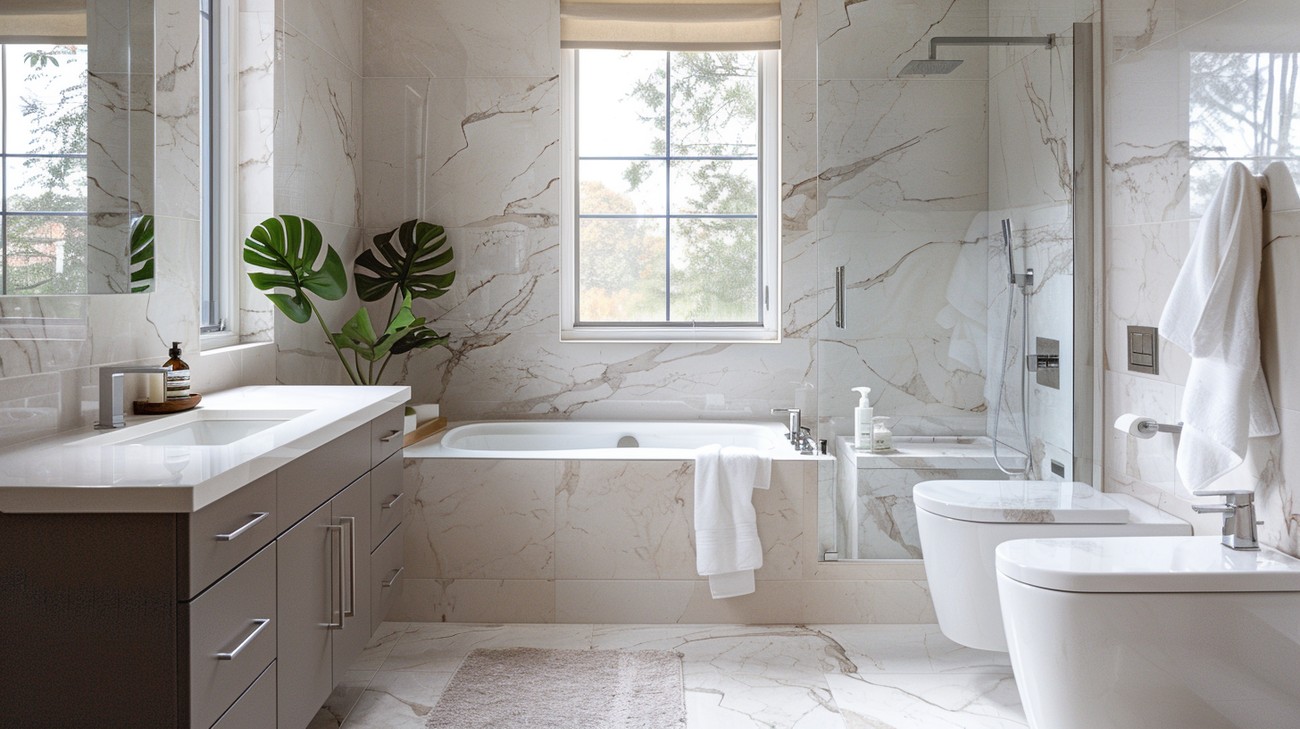
FAQ about Cultured Marble
How is cultured marble made?
Cultured marble is crafted by blending crushed marble or limestone with a polyester resin. This mixture is then poured into a mold to form various shapes and sizes, often used for countertops, vanities, and other home furnishings. During the manufacturing process, the mixture can be tinted and textured to mimic the appearance of natural marble, providing diverse options to fit different aesthetic preferences. After curing, the sheets or molded items are coated with a protective gel to enhance durability and sheen, ensuring they maintain their beauty over time.
Is cultured marble durable?
Yes, cultured marble is known for its durability and resilience. The surface is protected by a gel coat that helps prevent scratching and staining, making it an excellent choice for bathroom and kitchen surfaces. While it's durable, it's always a good idea to use cutting boards and trivets to protect against damage from sharp objects and hot pans. Proper maintenance, such as cleaning with non-abrasive cleaners, ensures that cultured marble keeps its luster and functionality for many years.
Does cultured marble stain easily?
Cultured marble is resistant to stains due to its non-porous surface, making it less likely to absorb liquids like juice, wine, or oils. The protective gel coat also acts as a barrier against stains. However, it's wise to wipe spills promptly and use mild soaps for cleaning to ensure long-lasting protection. While it's resistant, certain chemicals and acidic substances could still damage the surface if left in contact for extended periods.
Can cultured marble be customized?
Absolutely! One of the biggest advantages of cultured marble is its versatility in customization. Since it's man-made, it can be molded into virtually any shape, offering a wide range of design possibilities. You can choose from various colors, patterns, and finishes to create a look that fits your personal style. Whether you’re aiming for a modern aesthetic or a classic appearance, you can design cultured marble products to match your vision.
How do you clean cultured marble countertops?
Cleaning cultured marble countertops is simple. Use a soft cloth or sponge with a mild soap or a non-abrasive cleaner to gently wipe down the surface. Avoid scouring powders or pads, as they can scratch the gel-coat finish. For tougher grime, a solution of vinegar and water can be applied, but remember to rinse thoroughly to prevent any acidic residue. Regular cleaning helps maintain the glossy, sophisticated look of cultured marble.
Is cultured marble suitable for showers?
Cultured marble is a great option for showers due to its non-porous nature and resistance to water damage. The lack of grout lines means fewer spots for mold and mildew to grow, making cultured marble showers easier to clean and maintain. It's important to keep the shower dry after use and clean regularly with appropriate cleaners to prevent soap scum buildup. This makes cultured marble a practical and attractive choice for shower surfaces.
Can you repair scratches on cultured marble?
Minor scratches on cultured marble can often be polished out using a polishing compound and a soft cloth. For deeper scratches, a more involved restoration process might be necessary, potentially calling for sanding and re-gel coating by a professional. To minimize the risk of scratches, always use non-abrasive cloths for cleaning and avoid placing sharp objects directly onto the surface unless proper protection is used.
How does cultured marble compare to natural marble?
Cultured marble offers several benefits compared to natural marble. It is typically more affordable, making it accessible for budget-conscious renovations. In terms of maintenance, cultured marble is non-porous, meaning it does not require sealing like natural marble. Additionally, it provides more customizable options and boasts improved resistance to staining and scratches due to its durable gel coat. However, some purists might prefer the unique, natural beauty and pattern variations found in authentic marble stone.
Is cultured marble eco-friendly?
Cultured marble can be considered more eco-friendly than some natural stone products because it utilizes a mixture of natural and synthetic materials, reducing the demand for quarrying real marble. Moreover, manufacturers can produce cultured marble with less waste, and since it’s generally a long-lasting material, it contributes less to landfill waste compared to less durable options. Choosing cultured marble for home furnishings can reflect an environmentally conscious decision, particularly when sourced from manufacturers with sustainable practices.
Can you install cultured marble yourself?
While some DIY enthusiasts might attempt to install cultured marble themselves, it’s generally recommended to hire a professional for installation. Cultured marble is heavy and requires precise handling to avoid damage during installation. Proper sealing and securing are crucial to ensure that the countertops or vanities are level and stable. Professionals will have the proper tools and expertise to handle cultured marble installation effectively, ensuring that it maintains its aesthetic appeal and functional integrity in your home.
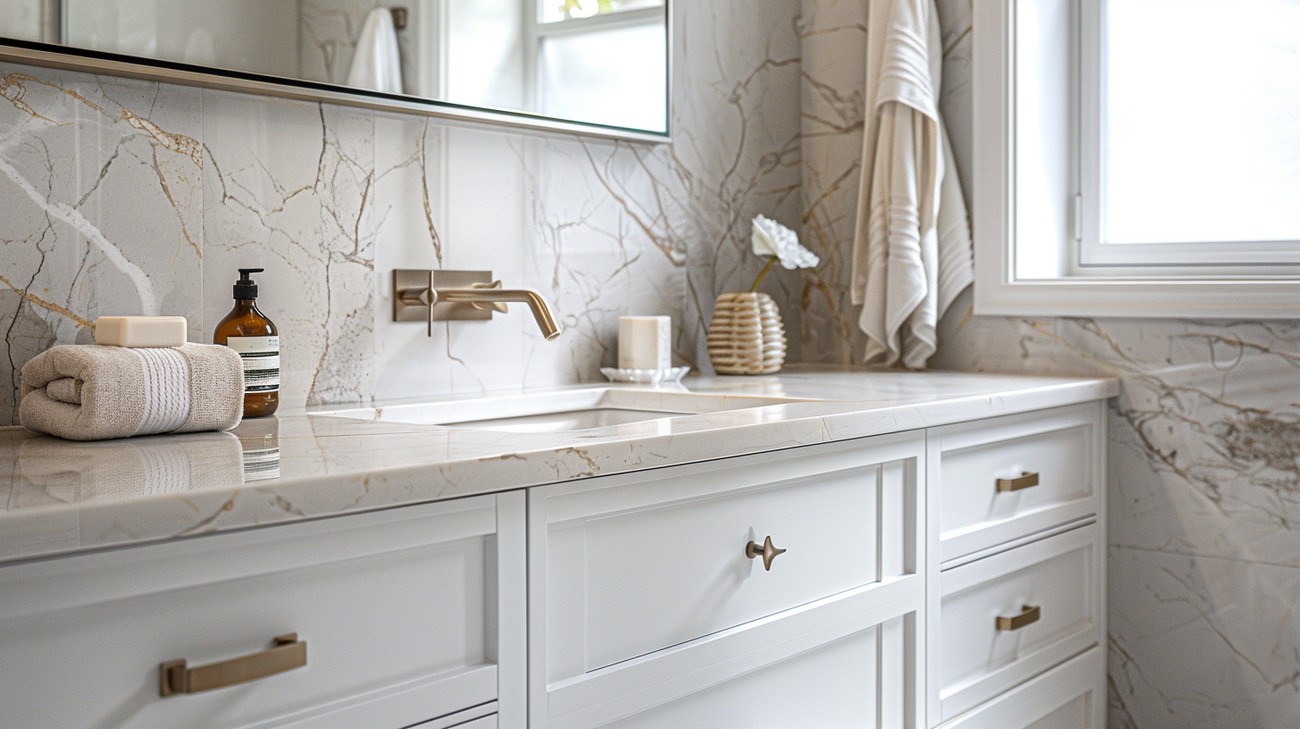
Pros & Cons of Cultured Marble
Pros
Budget-Friendly Elegance
Cultured marble exudes a luxurious vibe closely resembling natural marble but without the hefty price tag. It gives homeowners the chance to enjoy the high-end marble aesthetic without breaking the bank, making it an accessible option for many renovation projects.
Customization Galore
Flexibility is the name of the game when it comes to cultured marble. You can customize the colors, patterns, and finishes, allowing you to create a unique look that matches your style perfectly. This tailor-made quality makes it an attractive choice for those looking to add a personal touch to their spaces.
Easy Maintenance
Say goodbye to special cleaners and high-maintenance routines. Cultured marble boasts a non-porous surface, which means it resists stains and germs more effectively than natural marble. A little soap and water typically do the trick, making it a dream come true for those who prefer a low-maintenance lifestyle.
Seamless Designs
One of the standouts of cultured marble is its ability to be molded as a single piece. This feature allows you to achieve seamless countertops and sinks, reducing the number of crevices and joints where dirt and grime usually accumulate. It's all about marrying form with function!
Durability Hero
This material seems to walk the talk of resilience. Cultured marble is resistant to chips and scratches, far outperforming natural marble in the durability department. It’s robust enough to withstand the daily wear and tear typical in bathrooms and kitchens, ensuring it looks great for years down the road.
Cons
Vulnerable to Heat and Chemicals
While cultured marble is durable, it's not entirely invincible. Exposure to high heat can cause damage, such as discoloration or even cracking, so it's important to keep hot items away. Also, harsh chemicals can dull its finish over time, calling for some caution in the cleaning department.
The Look of Age
Over time, cultured marble can develop a slight yellow hue, especially if it's exposed to sunlight frequently. This aging process might not sit well with everyone, particularly those who love the pristine look of new marble.
Repair Challenges
Although it's sturdy, when cultured marble does succumb to damage, repairs can be tricky. Scratches might not be easily buffed out, and repairs can end up looking a tad more noticeable compared with other materials.
Less Authentic Feel
For purists who cherish the little imperfections and unique veining in natural marble, cultured marble might fall short. Its uniform look, though beautiful, lacks the organic variations and rich patterns that only Mother Nature can offer.
Slippery When Wet
A potentially hazardous trait, the glossy finish of cultured marble can become slippery when wet. This can pose a safety risk, especially in bathrooms, necessitating the consideration of additional floor mats or textured finishes in key areas.
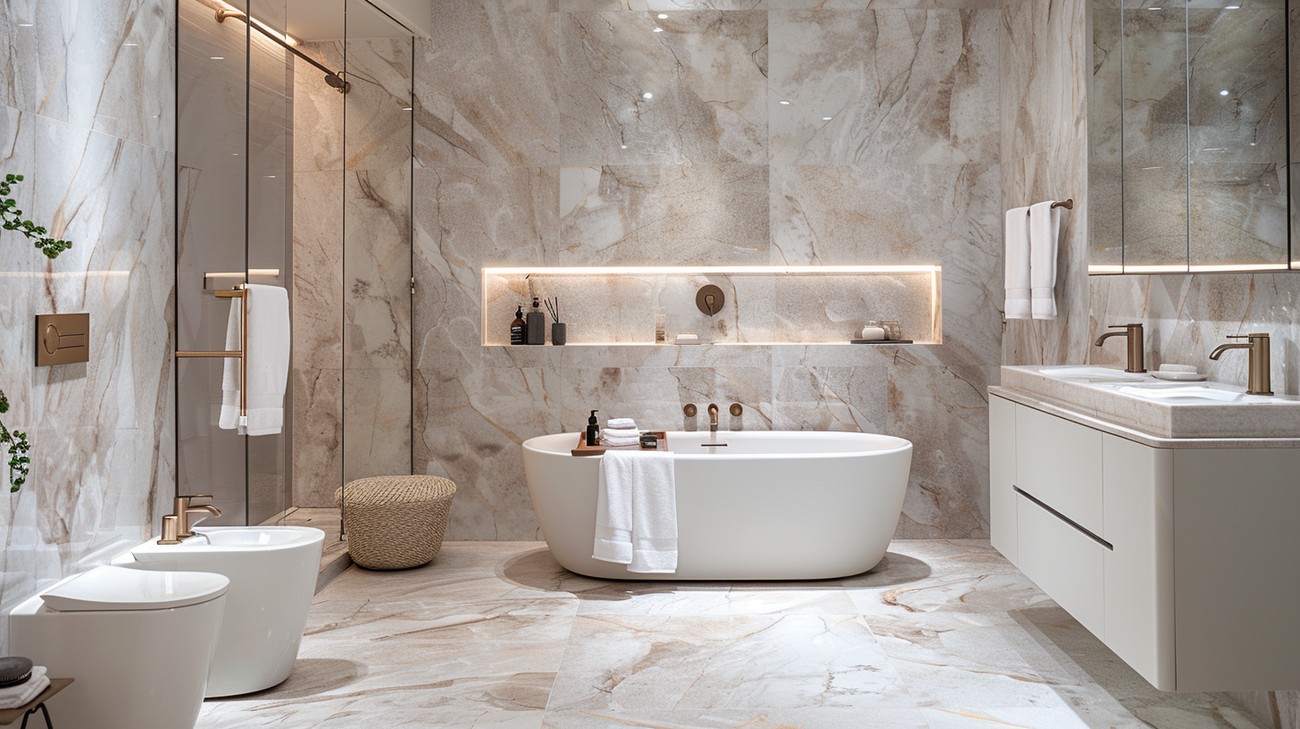
Final Thoughts
Cultured marble offers a beautiful and versatile option for those looking to elevate their spaces, whether it’s for a stunning countertop or a classy shower surround. Its durability, ease of maintenance, and aesthetic appeal make it a popular choice for homeowners, especially around Portland, OR, where style and functionality are key in home design.
If you're considering an upgrade with cultured marble, we're here to help. At JDI Construction, we pride ourselves on being the trusted local expert in this area. Reach out to us to schedule a consultation or request a free estimate, and let’s transform your home into something truly special together.


