


Choosing the right flooring for your bathroom can be a daunting task given the variety of options available in the market. The bathroom is a unique area within your home that requires flooring solutions that are not only aesthetically pleasing but also durable and moisture-resistant. In this detailed guide, we will explore the best flooring options for your bathroom, considering factors such as durability, style, cost, and ease of installation.
Understanding Bathroom Flooring Needs
Before diving into specific flooring options, it's crucial to understand what makes a good bathroom floor. Bathrooms are high-moisture areas, and the flooring must withstand water exposure. It should also provide a non-slip surface to prevent accidents and be easy to maintain. Style, of course, should not be overlooked, as you want your bathroom to be an oasis of relaxation.
Popular Bathroom Flooring Options
Ceramic and Porcelain Tiles
Popularity Meets Durability
Ceramic and porcelain tiles are among the most popular choices for bathroom flooring. They are renowned for their water-resistance and durability. Porcelain tiles, in particular, are denser and less porous than ceramic tiles, making them an excellent choice for bathrooms due to their superior water resistance.
Advantages:
- Water-resistant and easy to clean
- Available in a wide range of styles and colors
- Can mimic natural stone or wood
Considerations:
- Tiles can be cold underfoot, consider installing radiant heating
- Grout lines require proper sealing to prevent staining
Vinyl Flooring
Affordable and Versatile
Vinyl flooring has come a long way in recent years, offering a wide array of styles that can imitate the look of wood, stone, and tile. It's an economical option and is highly water-resistant, making it ideal for bathrooms.
Benefits of Vinyl:
- Waterproof and easy to clean
- Comfortable underfoot and warmer than tile
- Cost-effective and easy to install
Natural Stone
Luxury and Elegance
Natural stone flooring, such as marble, granite, or slate, brings a touch of luxury to any bathroom. Stone floors are incredibly durable and provide a natural, earthy aesthetic.
Key Features:
- Timeless appeal and unique patterns
- Durable and long-lasting
- Increases property value
Maintenance Tips:
Natural stone requires sealing to prevent water absorption and staining. It's slightly more demanding in terms of care but rewards you with a remarkable look.
Engineered Wood
Wood Style, Water Resistance
Engineered wood offers the beauty of natural wood with enhanced durability. This flooring option consists of a plywood base with a hardwood veneer, making it more stable in moist environments than traditional hardwood.
Advantages:
- Real wood appearance with improved moisture resistance
- Warmer underfoot compared to tiles
- Easy to install as floating floors
Laminate Flooring
Budget-Friendly Alternative
Laminate flooring is an affordable alternative that mimics the appearance of natural wood or stone. While not entirely waterproof, some new laminate products offer higher resistance to moisture, making them suitable for low-moisture bathrooms.
Characteristics:
- Budget-friendly and easy to install
- Variety of design options
- Consider waterproof laminate options for better moisture resistance
Factors to Consider When Choosing Bathroom Flooring
Moisture Resistance
Your primary concern should be how well the flooring resists moisture. This factor affects durability and maintenance needs. Choose materials specifically designed to handle wet conditions.
Safety Features
The bathroom is a high-traffic area where slips and falls can occur. Look for flooring options with non-slip surfaces to enhance safety, especially if you have children or older adults in the house.
Ease of Maintenance
You'll want bathroom flooring that's easy to clean and won't harbor mold or mildew. Materials that require minimal maintenance while still maintaining their appearance are preferred.
Aesthetics and Style
While functionality is critical, aesthetics should not be ignored. Select a flooring option that complements your bathroom's overall design and enhances its ambiance.
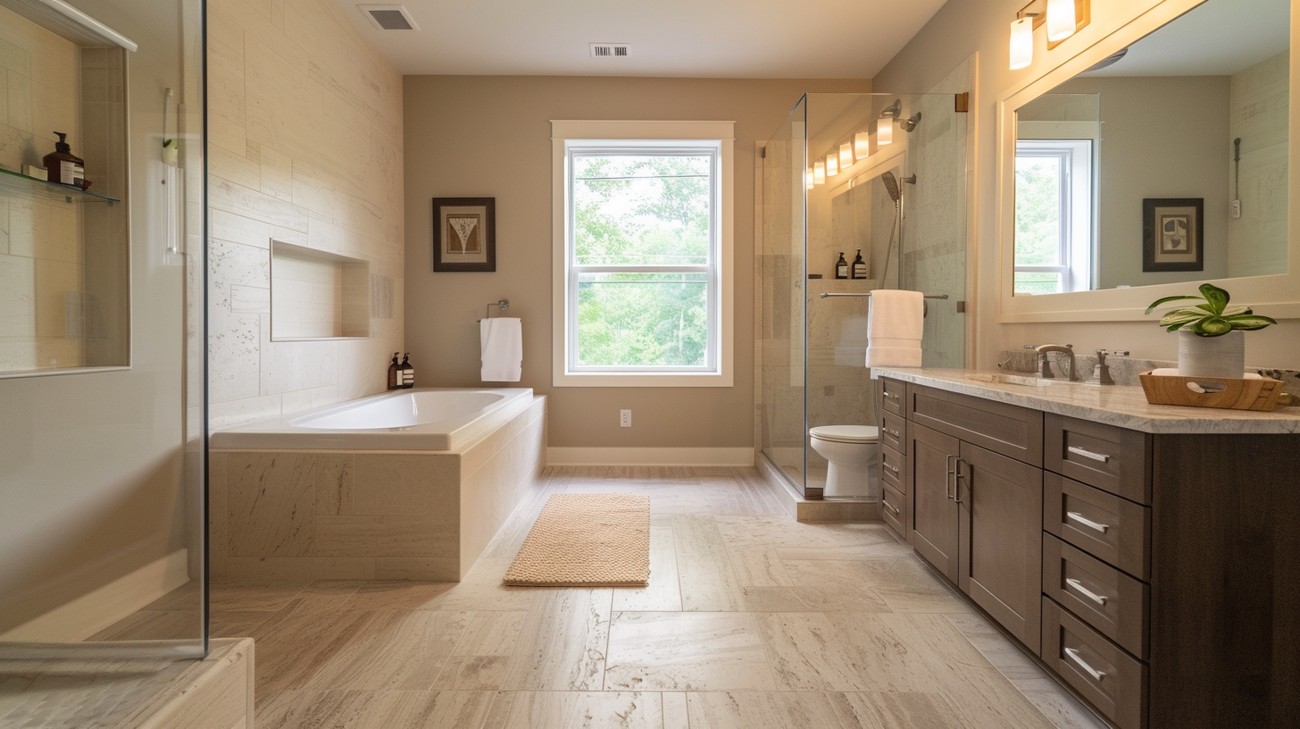
FAQ: Best Flooring for Bathroom
What makes a flooring option suitable for bathrooms?
Bathroom flooring must be able to withstand moisture and humidity. It is essential to choose a material that is water-resistant or waterproof to prevent damage or mold growth. Additionally, slip resistance is a significant consideration for safety, along with durability to handle frequent use and cleaning. Aesthetics also play a role, as you want your bathroom to be inviting and cohesive with the overall design of your home.
How does ceramic tile hold up as bathroom flooring?
Ceramic tile is a popular choice for bathroom flooring due to its water resistance and durability. It can withstand high moisture levels and is easy to clean, making it a hygienic option. Ceramic tiles come in a wide range of colors, styles, and sizes, allowing for versatile design choices. However, installers should ensure proper sealing of grout lines to prevent water from seeping beneath the tiles.
Is vinyl flooring a good option for bathrooms?
Vinyl flooring is an excellent choice for bathrooms due to its affordability, water resistance, and easy installation. Available in planks, sheets, or tiles, vinyl mimics more expensive materials like hardwood or stone without the high maintenance. Improved manufacturing has resulted in more durable and aesthetically pleasing vinyl options. Nevertheless, ensure proper installation to prevent moisture from reaching the subfloor.
Can laminate flooring be used in bathrooms?
While laminate flooring is not typically recommended for bathrooms, there are certain moisture-resistant laminate products designed to handle humid environments. Traditional laminate has a fiberboard core that can swell with moisture, so choosing a product specifically engineered for bathrooms is crucial. Proper installation and sealing are pivotal to prevent water damage.
Are natural stone floors a viable choice for bathrooms?
Natural stone, like marble or slate, offers a luxurious and durable flooring option for bathrooms. The natural beauty and unique patterns of stone add a high-end feel. However, stone flooring can be cold, slippery when wet, and porous, which means it requires regular sealing to maintain its water resistance and prevent staining. With the proper care, natural stone can be an enduring choice for your bathroom.
How do engineered wood floors perform in bathrooms?
Engineered wood flooring can be a feasible option for bathrooms as it offers better moisture resistance compared to solid hardwood. The construction of engineered wood involves a top layer of real wood over a plywood core, providing some stability in humid conditions. Nevertheless, it is essential to ensure good ventilation and maintenance, as excessive water from spills or humidity can still damage the flooring over time.
What are the benefits of using cork flooring in a bathroom?
Cork flooring is an eco-friendly and sustainable option that offers unique benefits for bathroom environments. Its natural resilience and comfort underfoot make it an appealing choice. Cork is also resistant to mold and mildew. However, this flooring type requires sealing every few years to protect against water damage and to maintain its appearance. Cork's distinct, warm aesthetic can enhance a bathroom's style while providing functionality.
Would bamboo work as a bathroom flooring material?
Bamboo flooring, particularly engineered bamboo, can work in bathrooms due to its natural resistance to moisture and quick regrowth as a renewable resource. Although not as water-resistant as some other options, treated bamboo with a water-resistant finish can withstand bathroom conditions if installed and maintained correctly. Its distinct look and eco-friendly appeal can contribute positively to your bathroom's design.
Why should I consider porcelain tile for my bathroom flooring?
Porcelain tile is highly regarded for bathrooms because of its waterproof nature, hardness, and low-maintenance appeal. Exceeding standard ceramic tile in terms of density, porcelain is less porous, highly resistant to water, and available in numerous styles, imitating materials such as marble or wood. Its long lifespan and ability to handle frequent cleaning make it an ideal choice for busy bathrooms.
Are there any emerging trends in bathroom flooring materials?
Recently, luxury vinyl tile (LVT) and innovative waterproof laminates have gained popularity due to technological advancements improving their authenticity and performance. These materials now offer realistic looks that mimic natural stone, hardwood, and other traditional materials while providing superior water resistance. Additionally, patterns and textures are trending, allowing homeowners to create custom designs and aesthetics in their bathrooms.
How important is the slip-resistance factor in bathroom flooring?
Slip resistance is crucial in bathrooms to prevent injuries from falls, especially in households with children or the elderly. Some flooring options, like textured tiles or specific slip-resistant vinyl, are designed to provide a better grip underfoot when wet. It is vital to select a flooring option tested for slip resistance, and adding rugs or mats in areas like near the shower or sink can further enhance safety.
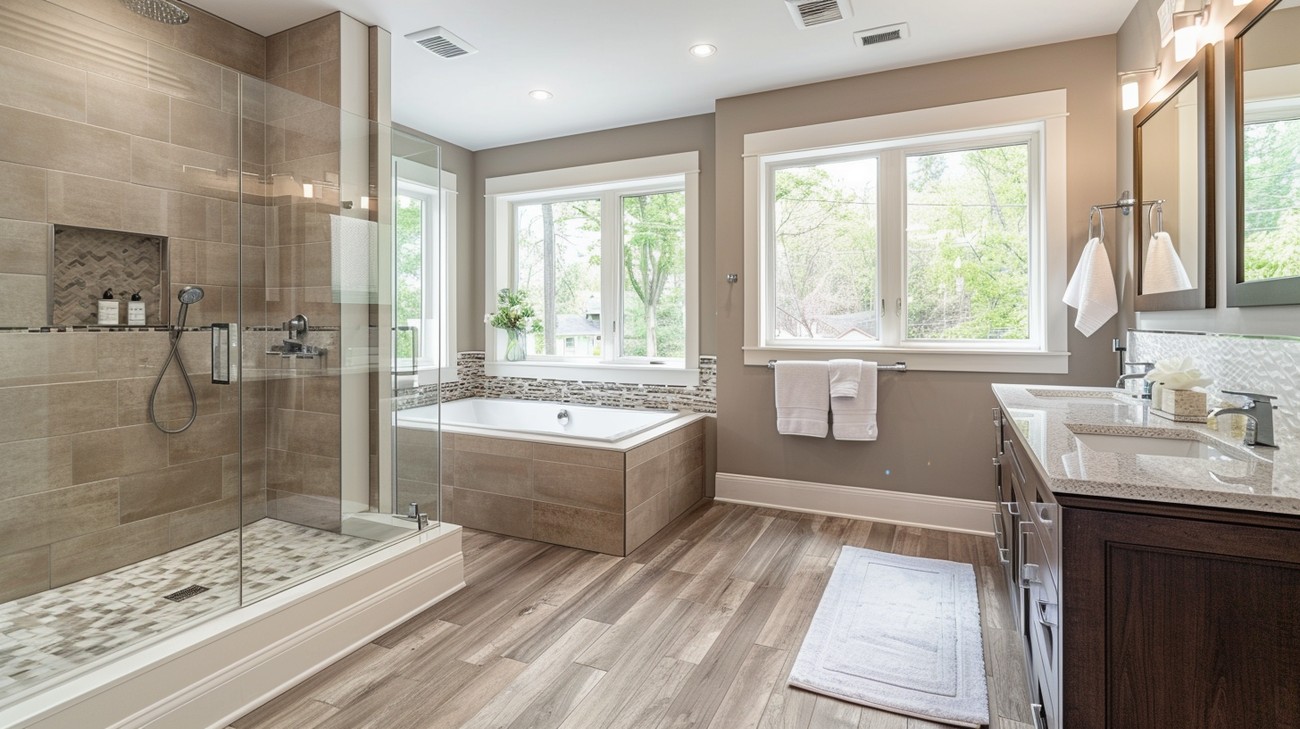
Comparison
Key Features Comparison
| Feature | Ceramic/Porcelain Tile | Vinyl | Natural Stone | Engineered Wood |
|---|---|---|---|---|
| Water Resistance | Excellent | Excellent | Good to Excellent | Good |
| Durability | High | Medium to High | High | Medium |
| Maintenance | Easy | Easy | Medium | Easy |
| Installation | Moderate to Difficult | Easy to Moderate | Difficult | Moderate |
| Style Variations | High | Very High | Moderate | Moderate |
Performance Differences
Ceramic/Porcelain Tile: These tiles are known for their outstanding water resistance and hardness, making them ideal for bathrooms. Their resilience against scratches and stains also ensures longevity. However, installation might require professional help due to its complexity, particularly when fitting irregular-shaped bathrooms.
Vinyl: Available in sheets, tiles, or planks, vinyl offers excellent water resistance and comfort underfoot. It can mimic the look of more expensive materials like wood and stone at a fraction of the cost. While vinyl is durable, it can be prone to dents and tears under heavy objects.
Natural Stone: Offering an exquisite, luxurious appearance, natural stone like marble or limestone adds real estate value. While it's quite resistant to water once sealed properly, it requires more maintenance to prevent moisture damage and stains. This flooring can be slippery when wet unless treated with a non-slip finish.
Engineered Wood: This flooring consists of a real wood veneer over a plywood base, offering some water resistance due to its construction. It's not as resistant as other options on the list but offers a warm elegance. Engineered wood is more susceptible to moisture damage compared to the other types, so it's best to use it in a half-bath where water exposure is minimal.
Price Comparison
| Flooring Type | Cost Per Square Foot (Approx.) |
|---|---|
| Ceramic/Porcelain Tile | $2 - $15 |
| Vinyl | $1 - $7 |
| Natural Stone | $5 - $30 |
| Engineered Wood | $4 - $10 |
As the table shows, vinyl is generally the most budget-friendly option, while natural stone represents the higher end of the pricing spectrum due to its premium appeal and installation complexity.
Best Use Cases for Each
Ceramic/Porcelain Tile: Best for homeowners looking for a durable and highly water-resistant option with plenty of design flexibility. Ideal for full bathrooms where water exposure is high.
Vinyl: Perfect for those on a budget who still want a wide variety of styles. Great for all types of bathrooms, especially in households with children, due to its comfort and warm touch.
Natural Stone: Best suited for luxury homes or homeowners who want to make a visual impact. Works well in master bathrooms or any space where a high-end aesthetic is desired, assuming sufficient maintenance.
Engineered Wood: Works well in half-baths or powder rooms where water exposure is minimal but a warm, natural look is desired. Its aesthetic charm brings a cozy feel to smaller spaces.
Bottom Line Recommendation
- Ceramic/Porcelain Tile: Choose this for its robustness, water resistance, and versatility, especially if you're not concerned about the installation process.
- Vinyl: Opt for vinyl if budget constraints are significant yet style flexibility is desired. It's an excellent option for families.
- Natural Stone: If style investment and luxury are your primary objectives, natural stone won't disappoint, provided you're ready for its upkeep.
- Engineered Wood: Use engineered wood when moisture levels are controllable, and warmth or natural aesthetics are prioritized, like in half-baths or guest areas.
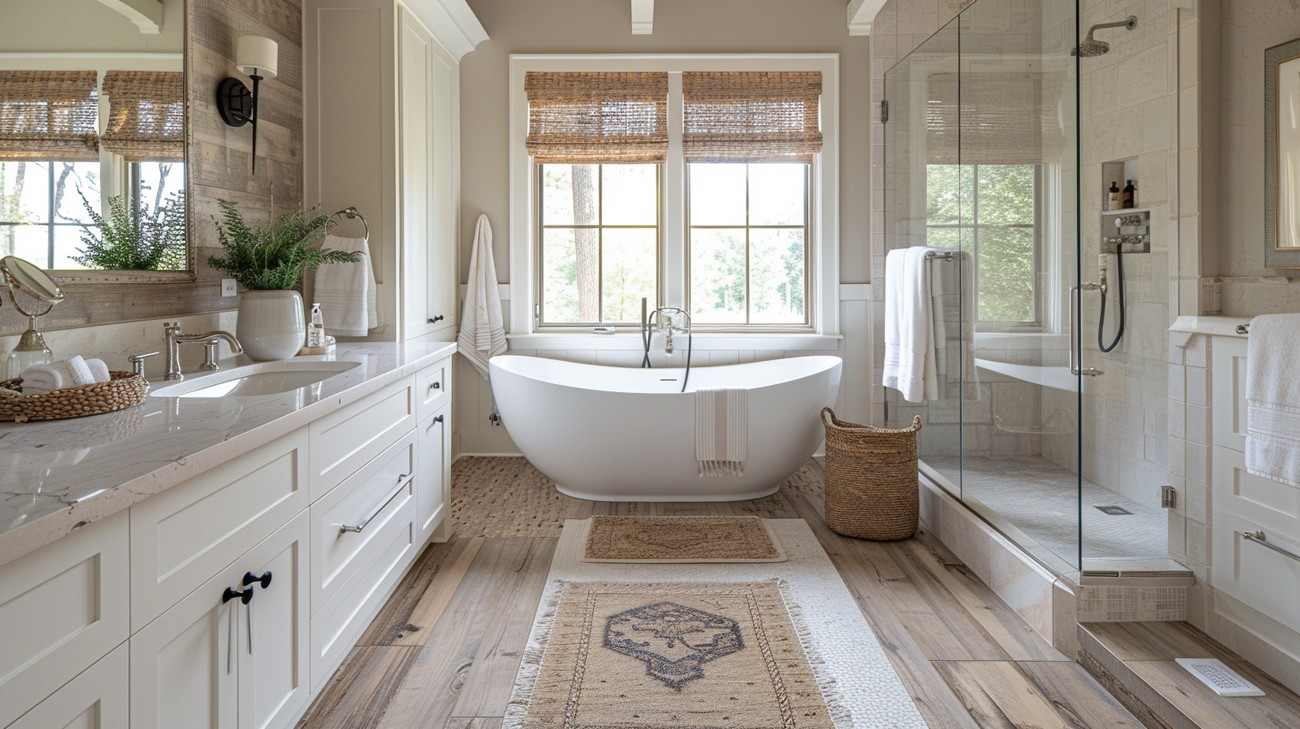
Buyer's Guide: What to Look For
Durability
A bathroom is a high-traffic area that experiences frequent moisture and humidity fluctuations, so durability is key. Look for materials that can withstand daily wear and tear while resisting water damage. Porcelain and ceramic tiles are popular choices due to their robust nature and water resistance.
Water Resistance
Since your bathroom floor will often be wet, prioritize materials with high water resistance. Vinyl, porcelain, and ceramic tiles are fabulous choices. Waterproof laminate flooring is also gaining popularity, offering both style and practicality. Avoid hardwood flooring since it can warp and expand with prolonged water exposure.
Slip Resistance
Safety is a top priority, especially in a space with water exposure. Opt for flooring options with a textured surface to prevent slips and falls. Tiles with a matte finish or anti-slip coating can provide additional safety. Ensure the flooring has a good slip-resistant rating — this is particularly important if kids or elderly individuals use the bathroom.
Maintenance
Nobody wants a floor that's high maintenance, especially in a bathroom. Choose materials that are easy to clean and maintain. A simple sweep and mop should suffice. Tiles generally offer low-maintenance options compared to high-care materials like hardwood.
Cost
Set a budget and find flooring that fits within it without sacrificing crucial features. Vinyl and ceramic tiles are usually cost-effective options, providing the desired look without blowing your budget. Account for installation costs, which can vary based on the complexity and material chosen.
Aesthetic Appeal
Your bathroom's flooring should align with your overall design vision. Consider the color, pattern, and material to ensure they complement the rest of your decor. Tiles offer a wide range of aesthetic possibilities, from classic marble looks to contemporary geometric patterns.
Must-Have vs. Nice-to-Have Features
- Must-Have: Durability, water resistance, slip resistance, and low maintenance are non-negotiable features for bathroom flooring.
- Nice-to-Have: Heated flooring for additional comfort, eco-friendly material for sustainability enthusiasts, and tiles with intricate designs can elevate your bathroom's aesthetic appeal but are not essential.
Red Flags to Avoid
Be wary of materials that claim to be water-resistant but fail to offer adequate slip resistance or durability. Avoid materials prone to mold or mildew. Also, steer clear of overly porous materials that absorb moisture. Cheap products with vague warranty terms are another warning sign — they may not stand the test of time.
Questions to Ask Before Buying
- Does this flooring have a slip-resistant rating suitable for bathrooms?
- How does this material hold up against water and moisture?
- What is the warranty period, and what does it cover?
- Are there any special maintenance routines required for this flooring type?
- What is the estimated installation time and cost?
How to Spot Quality
- Testing: High-quality tiles have consistent color and texture. You can tap them lightly to check for a solid sound, suggesting durability.
- Certification: Look for certifications regarding water resistance and slip safety.
- Reputation: Purchase from reputable manufacturers known for quality products and customer satisfaction.
- Samples: Request samples to test the material in different lighting and wet conditions to ensure it meets all your criteria.
Final Thoughts
Selecting the best flooring for bathroom spaces is crucial for both functionality and aesthetics. From waterproof luxury vinyl to durable porcelain tiles, the options available can transform your bathroom into a stylish and practical oasis. Remember to consider your personal style, maintenance preferences, and budget when making your choice. Ultimately, a well-chosen floor can greatly enhance the overall look and feel of your bathroom while standing up to moisture.
If you're in the Portland, OR area and need guidance on the best flooring options for your home, we at JDI Construction are here to help. Our team of local experts can provide you with tailored advice and assist you in making the best choice for your space. Feel free to reach out to us to schedule a consultation or request a free estimate; we’d love to partner with you on your project!

