
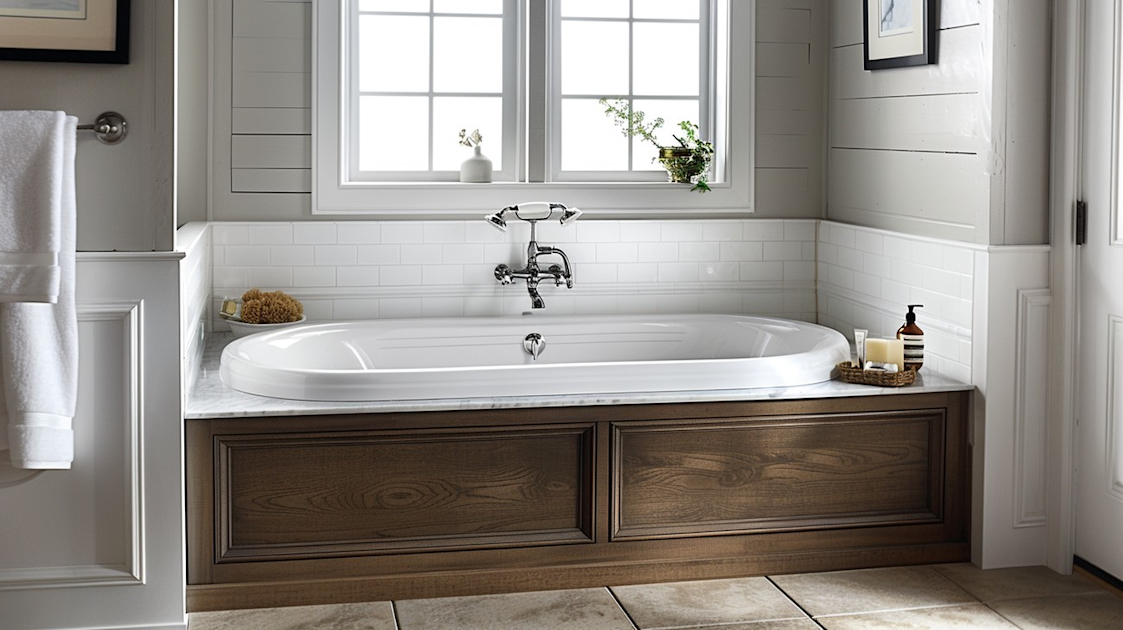


When it comes to bathroom renovations, choosing the right bathtub can significantly influence not just the aesthetics but also functionality. Among various bathtub styles available in the market, the alcove tub stands out because of its practical design, space-efficiency, and ability to seamlessly blend into any bathroom decor. In this comprehensive guide, we'll dive deep into everything you need to know about alcove tubs.
What is an Alcove Tub?
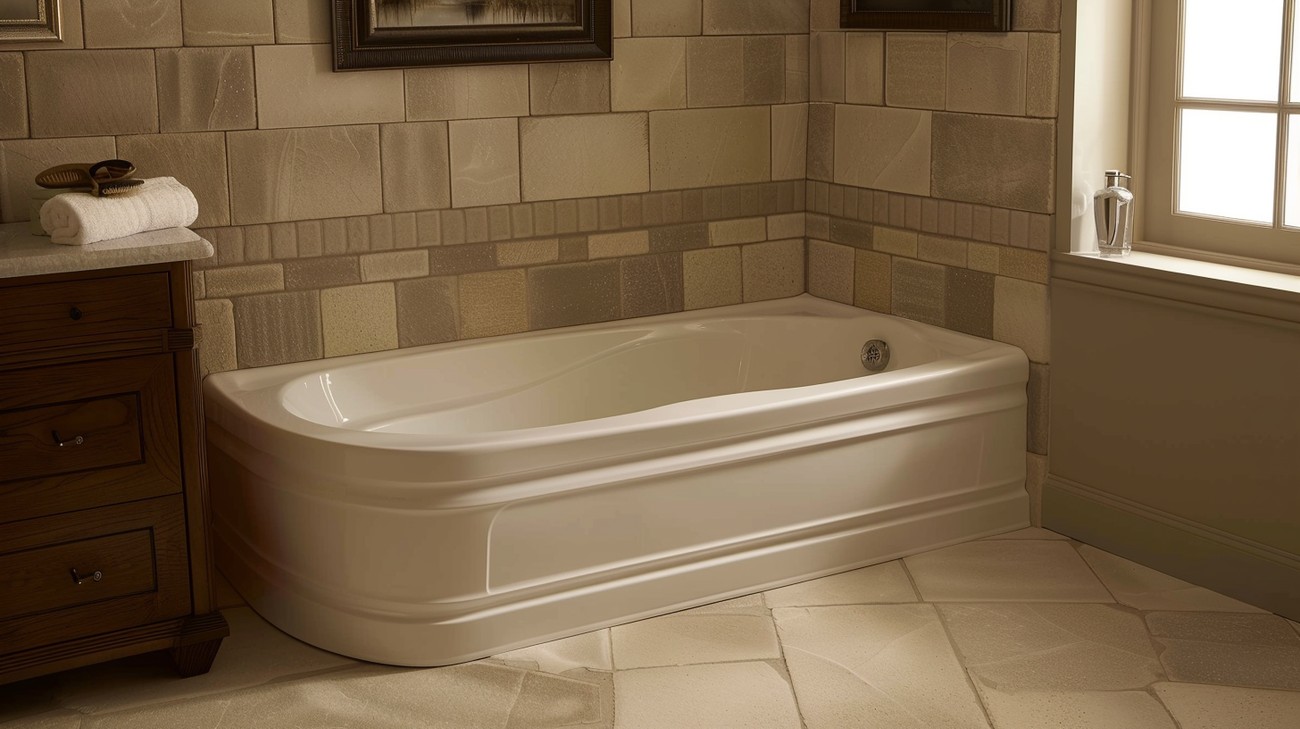
Alcove tubs, also known as recessed tubs, are installed into a three-sided enclosure. This distinctive design makes them ideal for bathrooms where space is at a premium. These tubs are integrated into the bathroom wall, with only the front side exposed, often with an apron front, which gives them a clean, finished look.
Benefits of Choosing an Alcove Tub
The advantages of opting for an alcove tub go beyond just aesthetics. Here's why many homeowners prefer them:
- Space Efficiency: An alcove tub efficiently utilizes bathroom space, making it an ideal choice for small to medium-sized bathrooms.
- Versatile Design: With a variety of sizes and styles, they can easily blend with any bathroom decor.
- Cost-effective: Generally more affordable than freestanding or drop-in tubs.
- Ease of Installation: Because these tubs are fit into a pre-existing space, they are often easier and quicker to install.
Materials Used in Alcove Tubs
Choosing the right material for your alcove tub is crucial as it affects both the look and durability. Here are some popular materials used in alcove tubs:
- Acrylic: Lightweight and affordable, acrylic is a popular choice for alcove tubs due to its versatility and warmth retention.
- Porcelain-Enameled Steel: Offers a luxurious feel with a high-gloss finish. It's durable and scratch-resistant.
- Cast Iron: Known for its durability and heat-retaining capabilities, though it can be heavy and expensive.
- Fiberglass: Cost-effective and lightweight, but not as durable as other materials.
Key Features to Consider
When selecting an alcove tub, there are several features you should consider to ensure it meets your needs:
- Size and Depth: Alcove tubs come in various sizes and depths to suit different preferences. Measure your bathroom space to determine the best fit.
- Installation: Some alcove tubs come with integrated aprons, while others may require a separate apron or additional framing.
- Surface Finish: Look for non-slip surfaces for added safety, especially if you have young children or elderly family members.
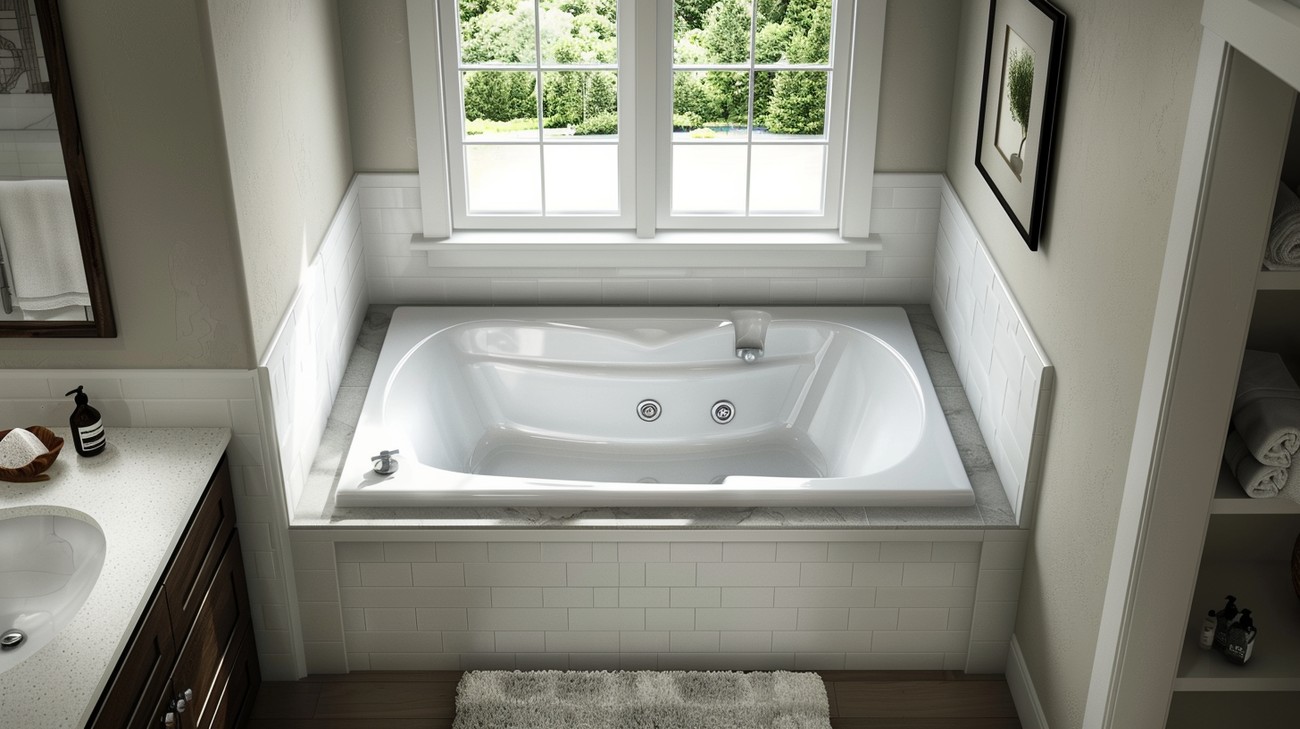
- Additional Features: Modern alcove tubs may include features like whirlpool jets, ergonomic shapes, or built-in armrests for enhanced comfort.
Alcove Tub Design and Style
Alcove tubs can complement various bathroom styles, whether traditional or contemporary. You can pair them with stylish surrounds in tile, stone, or composite materials to create a cohesive look. Finishing options in chrome, brass, or matte black for faucets and handles add a touch of elegance.
Maintenance Tips for Longevity
Proper care and maintenance can ensure your alcove tub remains a centerpiece in your bathroom for years. Here are some tips to prolong its life:
- Regularly clean with non-abrasive cleaners to prevent scratches and maintain shine.
- For porcelain-enamel or cast iron tubs, use cleaners specifically designed for these materials to avoid damage.
- Check for and repair any grout or caulk deterioration to prevent water seepage.
- Consider installing a tub liner for an added layer of protection against wear and tear.
Installation Tips
While installation of an alcove tub can be a DIY project, hiring a professional ensures all plumbing and structural aspects are correctly handled. If you choose the DIY route, remember to:
- Ensure correct alignment to prevent water leakage.
- Reinforce the frame adequately, especially for heavier materials like cast iron.
- Confirm the plumbing connections are secure and leak-free.
Enhancing Your Bathroom with Accessories
Once your alcove tub is installed, accessorizing your bathroom can maximize its appeal:
- Shower Enclosures: Alcove tubs often double as showers. Invest in a stylish glass or curtain enclosure for added privacy.
- Storage Solutions: Optimize your space with built-in niches or floating shelves for toiletries.
- Lighting: Use layered lighting to enhance the ambiance and functionality of your bathing experience.
Alcove Tub FAQ Section
What is the difference between an alcove tub and a freestanding tub?
An alcove tub is installed adjacent to three walls, creating a recessed space, while a freestanding tub stands alone without attachment to walls, offering a more sculptural look. Alcove tubs are often preferred for their space-saving design and practical shower combination possibilities, making them ideal for smaller bathrooms. Conversely, freestanding tubs provide a bold statement piece and require more floor space.
How is an alcove bathtub different from a drop-in tub?
While both alcove and drop-in tubs are installed against walls, their installation methods differ. An alcove bathtub is fitted into a pre-existing nook or enclosure recessed between three walls, often including a built-in front panel (apron), whereas a drop-in tub is "dropped" into a raised platform or surround, which hides the plumbing. This setup allows for more versatility in the tub's shape and size but requires more bathroom space compared to an alcove tub.
Can an alcove tub be used for showering?
Yes, alcove tubs are frequently designed to accommodate a shower system. Their three-wall setup typically includes integrated tile flanges and water barrier systems, simplifying the installation of showerheads and curtains or doors. This dual-purpose design makes them a popular choice for households needing both bath and shower options in limited space.
What kinds of materials are used for alcove bathtubs?
Manufacturers commonly use materials such as acrylic, fiberglass, enameled steel, and cast iron to craft alcove bathtubs. Acrylic and fiberglass are lightweight and cost-effective choices, offering ease of installation and diverse design options. Enameled steel provides durability at a moderate cost, while cast iron, prized for its heat retention and longevity, tends to be heavier and requires reinforced support during installation.
How do you install an alcove tub?
Installing an alcove tub involves several steps. First, ensure the bathroom fits the tub's dimensions and plumbing setup. Securely install rough plumbing lines, then fit the alcove bathtub into the designated space, ensuring it's level. Next, connect the drain and overflow hardware, and attach the tub's flange to the wall studs. Finally, finish by installing waterproof barriers, tile, and bath fixtures. Professional installation is recommended to ensure waterproof seals and proper plumbing connections.
What sizes are typically available for alcove bathtubs?
Alcove bathtubs come in a variety of sizes to fit different bathroom layouts, though standard dimensions often range from 60 to 72 inches in length, 30 to 36 inches in width, and about 14 to 20 inches in depth. This range accommodates most residential needs, with larger versions available for more spacious oversized bathrooms.
Are there special maintenance tips for an alcove tub?
To maintain an alcove tub's finish and function, clean it regularly using non-abrasive cleaners to avoid scratching or dulling the surface. Pay special attention to grout lines and caulking around the tub to prevent mold and mildew. Ensure the drain and overflow components remain unobstructed for proper water drainage. For certain materials like cast iron, avoid harsh chemicals to protect the enamel coating.
Can you replace an existing tub with an alcove bathtub?
Replacing an existing tub with an alcove bathtub is feasible, particularly if the previous tub was also alcove style, which means plumbing and space are likely already suited for this configuration. Measure the existing space to ensure compatibility with the new tub dimensions, and assess any plumbing or structural updates required. Hiring professionals can streamline the process and ensure a seamless fit.
Are alcove bathtubs suitable for luxury bathroom designs?
Alcove bathtubs can indeed be incorporated into luxury bathroom designs, offering a streamlined and functional aesthetic. Modern alcove tubs feature sleek designs, high-quality materials, and advanced technologies such as whirlpool jets or in-line heaters. Enhancing the surrounding walls with premium tiles or incorporating seamless glass shower doors can amplify the luxury feel while maintaining the practicality of an alcove installation.
The Ins and Outs of Alcove Tubs
Pros
Space Efficiency
If you’re working with limited bathroom space, the alcove tub is your best friend. These tubs fit snugly into three enclosing walls, maximizing every inch of your bathroom and leaving room for other amenities. This space-saving advantage makes them a go-to choice for apartment dwellers or anyone looking to optimize a compact space.
Cost-Effective
Budget-conscious renovators, rejoice! Alcove tubs are typically more affordable than their freestanding or drop-in counterparts. This isn't just about the initial purchase price; installation costs tend to be lower, too. Many alcove tubs come as part of pre-constructed units that combine the tub with a shower surround, cutting down on labor and material costs.
Versatile Design
Alcove tubs have a simplistic design that seamlessly blends with various bathroom styles. Whether you’re leaning toward a modern, chic look or a more traditional aesthetic, these tubs offer enough versatility to match your creative vision. Plus, they're available in a range of materials, colors, and finishes to tailor to your specific design needs.
Easy Maintenance
Cleaning and maintaining an alcove tub can be an easier task compared to other tub styles. With the enclosure on three sides, splashes and spills have a limited area to escape, keeping your bathroom cleaner. Plus, many alcove tubs are made from durable materials like acrylic or porcelain, which are resistant to chipping and easy to wipe down.
Shower-Tub Combo
Another massive plus for alcove tubs is their ability to double up as a shower. This dual functionality is perfect for families with varying bathing preferences, offering both a quick rinse and a long soak. The typical three-wall setup is ideal for installing a showerhead above the tub, effectively creating a shower-tub combo without needing separate installations.
Cons
Limited Design Options
While the alcove tub is versatile, its built-in nature means it can't offer the wow factor of a standalone tub. If making a bold design statement with your bathtub is a priority, the modest appeal of an alcove tub might fall short. You’re generally confined to an elongated rectangle shape, which may not align with more avant-garde bathroom visions.
Restricted Mobility
Alcove tubs often come with taller sides, which can pose challenges for young children, the elderly, or anyone with mobility issues. Climbing over the side to get into the bath could be uncomfortable or unsafe. While grab bars and other aids can be installed, these added measures might detract from the tub’s sleek design.
Limited Space for Relaxation
These tubs are built to fit between three walls, which can restrict their size and depth. This means that if you’re dreaming of a deep, luxurious soak, an alcove tub might not meet those expectations. For individuals of taller stature or those who prefer more room to stretch out and relax, an alcove tub could feel a tad cramped.
Installation Constraints
Installing an alcove tub necessitates specific structural requirements, as they need support from three adjoining walls. If your current bathroom setup doesn’t naturally accommodate this design, additional construction work might be needed. This could lead to unexpected expenses and increased intricacy in your renovation plans.
Less Luxurious Feel
And let's not forget, for some, bathing isn’t just about getting clean—it's about the experience. With an alcove tub, you might lose that spa-like feel often associated with freestanding clawfoot or soaking tubs. The utilitarian design of alcove tubs can sometimes lack that indulgent touch that turns a bathroom into a retreat.
Final Thoughts
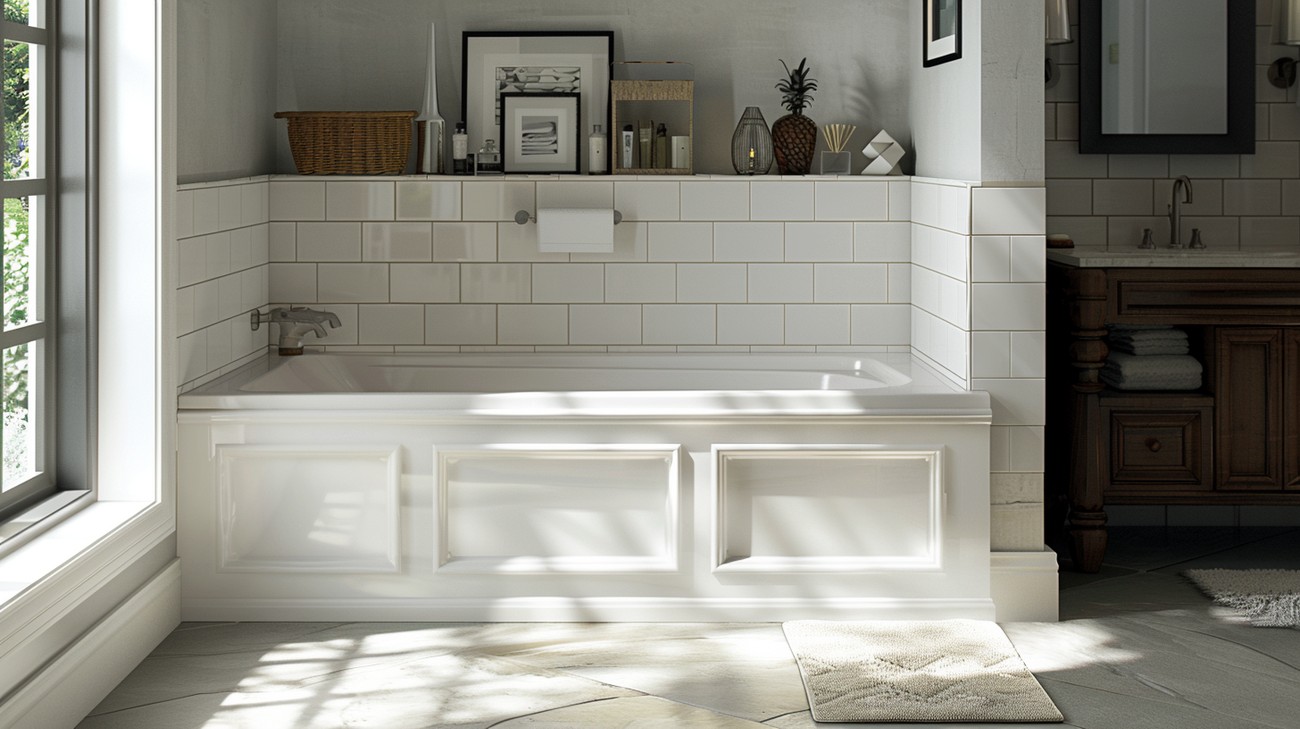
Choosing the right alcove tub can transform your bathroom into a serene retreat, making it both functional and stylish. These tubs are perfect for maximizing space while providing a comfortable bathing experience. Whether you’re remodeling an existing bathroom or constructing a new one, investing in an alcove tub can add both value and comfort to your home.
If you’re ready to explore your options or need guidance on the best fit for your space, we at JDI Construction are here to help. Serving homeowners in Portland, OR, we can assist you in selecting and installing the perfect alcove tub that suits your style and needs. Feel free to reach out to us for a consultation or to request a free estimate—let’s make your bathroom dreams a reality together!


